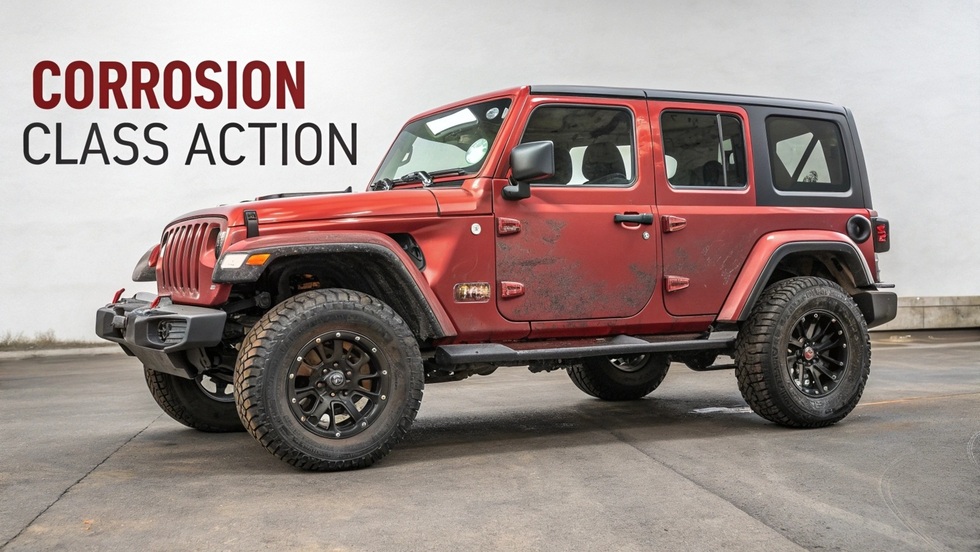
Many Jeep Wrangler owners take pride in the rugged look of their vehicles. But for thousands, an unexpected problem has appeared: paint bubbles and peeling on the hood and fenders.
This issue led to what’s now known as the Jeep Wrangler paint bubble lawsuit. If you own a Jeep Wrangler or are considering buying one, understanding the details of this lawsuit could help you avoid costly surprises.
What Sparked The Jeep Wrangler Paint Bubble Lawsuit?
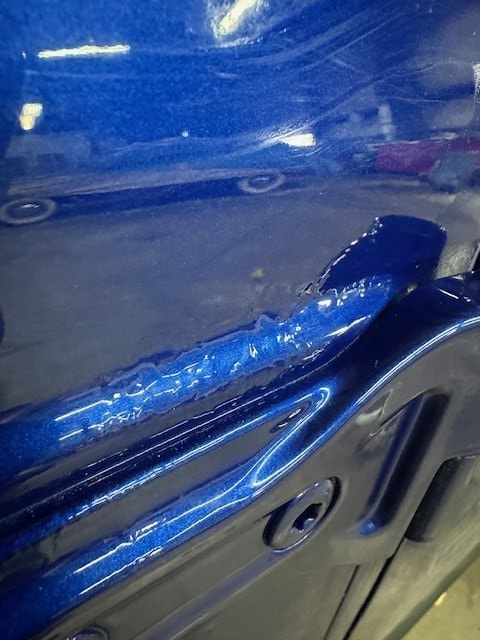
The lawsuit began when many Jeep Wrangler owners noticed the paint on their vehicles bubbling, cracking, or peeling—often in the same spots. Most complaints focused on the area around the hood and front fenders.

These issues appeared on Wranglers from model years 2018, 2019, and 2020, but some earlier and later models were also affected.
Owners reported these problems even when their vehicles were only a few years old and had low mileage. Some saw paint issues just months after buying their Jeep. The rapid paint damage raised questions about the vehicle’s quality and whether the problem was due to a factory defect.
What Causes The Paint Bubbles And Peeling?
After investigation, many believe the root cause is corrosion—specifically, rust forming under the paint. Jeep Wranglers use aluminum hoods and fenders, which are less likely to rust than steel, but can still corrode if not properly treated.
The lawsuit claims that Jeep failed to apply the right protective coating to these aluminum parts. Without this protection, moisture and road salt can reach the metal, causing bubbles that eventually lead to peeling. This is not just a cosmetic issue; if left untreated, it can weaken the body panels.
| Material | Rust Resistance | Corrosion Protection Needed |
|---|---|---|
| Steel | Low | High |
| Aluminum | Medium | Medium |
| Plastic (composite) | High | Low |
How Did Jeep Owners Respond?
When the paint bubble problem spread, Jeep owners began sharing photos and experiences on forums and social media. Many approached Jeep dealerships for help, expecting the problem would be covered under the vehicle’s corrosion warranty.
However, some owners say dealerships refused free repairs, calling the issue “cosmetic” or blaming outside factors like bird droppings or road debris. Others were offered partial repairs or had to pay out of pocket.
Frustrated by the inconsistent responses, owners took legal action.
In 2022, a group of Jeep Wrangler owners filed a class-action lawsuit against Fiat Chrysler Automobiles (FCA), Jeep’s parent company. They claimed Jeep knew about the paint problem, but failed to warn customers or fix it properly.
What Are The Key Claims In The Lawsuit?
The main arguments in the lawsuit include:
- Manufacturing defect: Owners claim Jeep did not use enough corrosion protection on aluminum parts.
- Breach of warranty: The lawsuit says Jeep should repair or replace affected parts under its corrosion warranty.
- Failure to disclose: Plaintiffs argue Jeep knew about the risk but did not inform customers.
The lawsuit covers several Jeep Wrangler models, including JL (2018–present) and some JK (2007–2018) models. The focus is on vehicles with aluminum hoods and fenders.
Jeep’s Response
Jeep has not admitted fault. The company points out that its corrosion warranty covers “perforation” or holes from rust, not just surface bubbles.
Jeep also says paint problems can come from environmental factors, not only manufacturing issues.
Still, some dealers have quietly repaired affected Wranglers, especially if the vehicle is under warranty. Others continue to deny claims, leaving owners with repair bills that can reach $2,000 or more.
What Could This Mean For Jeep Wrangler Owners?
If you own a 2018 or newer Jeep Wrangler, watch for paint bubbles or peeling—especially near the hood and fenders. Early signs look like small, raised areas under the paint.
If you see them, take clear photos and visit your dealer as soon as possible.
Here’s a comparison of typical repair outcomes:
| Repair Option | Cost to Owner | Warranty Coverage | Success Rate |
|---|---|---|---|
| Full panel repaint | $1,000–$2,500 | Sometimes | High |
| Spot repair | $300–$800 | Rare | Medium |
| Panel replacement | $2,000–$4,000 | Rare | High |
It’s important to know that many insurance policies do not cover paint defects unless caused by an accident.

Non-obvious Insights For Jeep Owners
First, document all paint issues as soon as you notice them. Take dated photos from several angles and keep all dealer communications.
This evidence could help if the lawsuit results in a settlement or recall.
Second, even small bubbles can signal bigger problems. Ignoring them may lower your Jeep’s resale value, since buyers often check for body issues.
A tip most beginners miss: if you live in a snowy area where road salt is common, wash your Jeep’s underbody and fenders regularly. This can slow the spread of corrosion and bubbling.
The Current Status Of The Lawsuit
As of early 2024, the paint bubble lawsuit is still active in federal court. No major settlements or recalls have been announced yet. Owners who want updates can check legal news or join forums like the Jeep Wrangler Forum.
If the court rules in favor of owners, Jeep may have to pay for repairs or offer compensation. But legal action can take years, and outcomes are not guaranteed.
Here’s a summary of the lawsuit timeline:
| Year | Event |
|---|---|
| 2018–2020 | Owners report paint bubbles |
| 2021 | Class-action lawsuit filed |
| 2023 | Case continues in court |
| 2024 | No settlement yet |
For more detailed legal background, see this Wikipedia article on class actions.
What Should You Do Next?
If you’re considering a used Jeep Wrangler, check for paint issues before buying. Ask the seller for repair records and inspect the hood and fenders closely.
For current owners, acting early can save money and headaches.
Stay informed about the lawsuit’s progress. If a settlement is announced, you may need to file a claim to receive compensation.
Watch trusted Jeep owner forums or legal news for updates.
The Jeep Wrangler paint bubble lawsuit highlights the importance of quality control—and how car owners can unite to seek solutions. Taking simple steps now can help protect your vehicle’s appearance and value.
















I have a 2020 Jeep Gladiator and almost literally overnight I found bubble like “fish eyes” covering my hood, the area above my front windshield and the areas over and along the sides of all 4 doors. I took it to a Jeep dealer and was told that the “goodwill” period for the repairs om my Jeep was up in January of 2026. Is there anything I can do (I know, pay for the repairs myself) to get help from Jeep Chrysler?
Hi Kelly,
Sorry you’re dealing with this. What you describe, bubbling on the hood, roof edge and door edges, matches a corrosion problem that has been widely reported on 2018 and newer Wranglers and 2020 and newer Gladiators. It shows up most around panel edges and seams, and many owners say it appeared fast. So you’re not imagining it, and it isn’t something you caused.
You’re right that a dealer will usually stop at the goodwill window, but you still have options:
1. Open a case with Jeep customer care yourself instead of leaving it to the dealer. Use the number in your owner’s manual or the contact form on Jeep’s owner site. Ask for a case number and write it down. Several owners report being told “no case was started under my VIN,” so a case number protects you.
2. Ask the dealer to put in writing that they inspected the vehicle and what they found. Also ask whether a technical service bulletin applies. FCA has issued bulletins on aluminum body panel corrosion repair, including one covering 2020 Gladiators. A bulletin shows the manufacturer knew about the problem, which helps your argument for goodwill coverage.
3. Make your request specific. Say it’s a premature paint and body corrosion failure on a vehicle that is about six years old, name the panels, and attach clear dated photos. Mention the original in-service date and your service history, including any dealer maintenance.
4. If the first rep says no, ask for escalation to a regional or district customer care manager. Keep it polite and factual, and keep everything in writing by email or the online portal. Exceptions often happen at that level and not at the dealer counter.
5. Know about the lawsuit. A class action over this issue was filed in 2021 in Michigan federal court. It was reportedly dismissed in 2026, but the judge allowed the plaintiffs to refile, so it may or may not move forward. Don’t count on it for a payout. I’m not a lawyer, so if the repair is expensive, a short consult with a consumer protection or lemon law attorney is worth it. Many offer free reviews.
6. Check your state’s rules. Some states have consumer protection laws that cover defects the manufacturer knew about, and some auto dispute programs take cases like this.
7. Get at least one independent body shop quote. A reputable shop can tell you whether it’s surface bubbling or the metal underneath is corroding, and whether repair is realistic or needs panel replacement. It also gives you a real number to bring to Jeep. If the repair has to be paid for, a shop quote can come in well under the dealer’s.
Don’t ignore it while you wait. Bubbles mean moisture is getting under the paint, and it spreads. A shop can often stop it early with a localized repair, which costs far less than redoing whole panels later.
If you tell me your state, I can point you to the kind of programs that may apply. Good luck with this one.