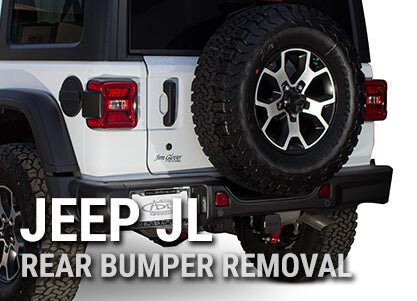
Taking off the rear bumper on a Jeep Wrangler can be easier than most people expect. Whether you’re upgrading to a new bumper, fixing damage, or just want to change the look, this task is something many owners can do at home with basic tools.
If you follow the right steps and know what to watch out for, you’ll save time and avoid common mistakes.
Tools And Preparation
Before you begin, gather these tools:
- Socket wrench set (mainly 18mm and 16mm)
- Ratchet extension
- Flathead screwdriver
- Safety glasses
- Gloves
Make sure your Jeep is parked on a flat surface. If you have a newer Wrangler (JL or JK), check the owner’s manual for bolt sizes.
Older models sometimes use different fasteners. Having a helper isn’t required, but it makes lifting the bumper easier.
Removing The Rear Bumper: Step-by-step
1. Disconnect Accessories
If your Wrangler has reverse sensors, lights, or a tow hitch, unplug these first. For sensor wires, locate the plug behind the bumper on the driver’s side. Pull gently; don’t yank.
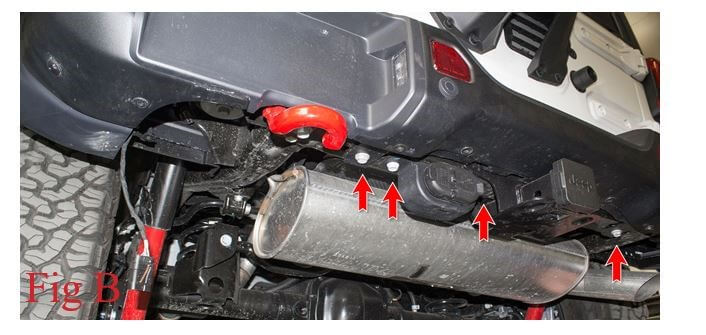
2. Remove The Bumper Bolts
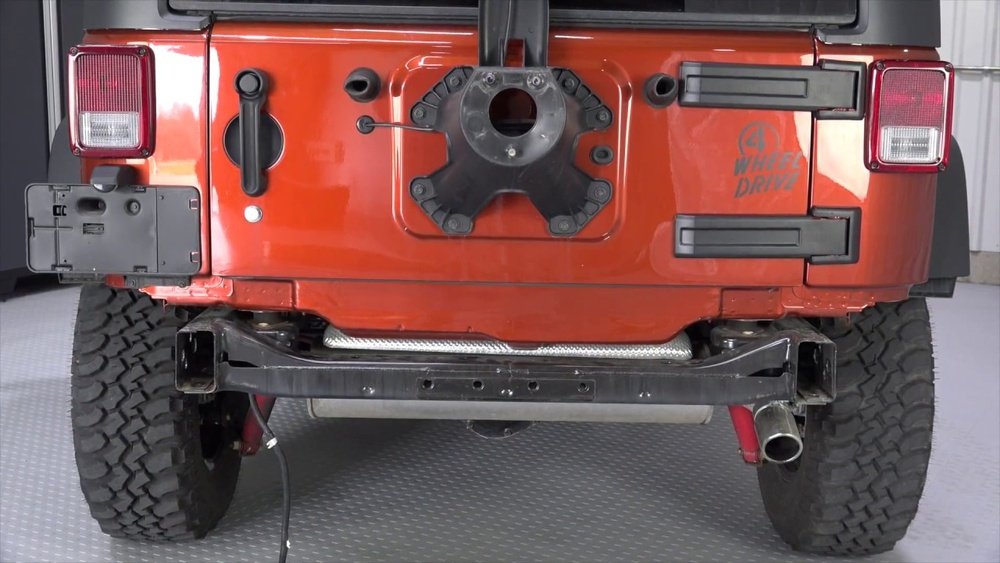
Most Wranglers have eight bolts holding the rear bumper—four on each side. Here’s a quick breakdown for different models:
| Model Year | Bolt Size | Location |
|---|---|---|
| JK (2007-2018) | 18mm | Frame rails, side brackets |
| JL (2018+) | 16mm | Frame rails, side brackets |
| TJ (1997-2006) | 15mm | Frame rails |
Use your socket wrench and extension to reach the bolts inside the frame rails. Spray with penetrating oil if they seem rusty.
3. Remove Plastic Clips
Some bumpers have plastic clips or push pins. Use a flathead screwdriver to pry these out. Don’t force them—they can break and are hard to replace.
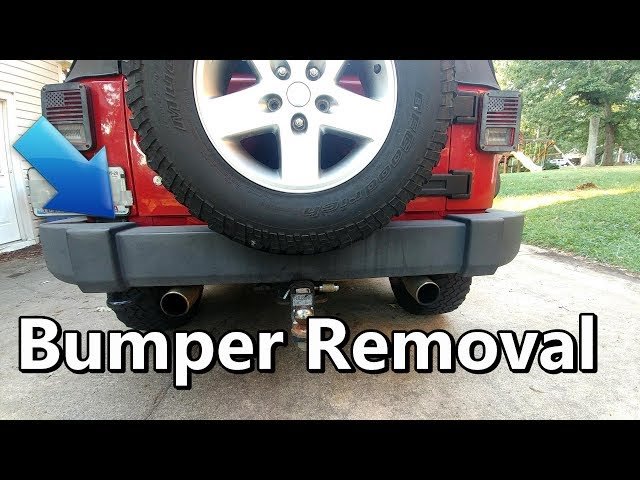
4. Slide Off The Bumper
After bolts and clips are removed, pull the bumper straight back. It may stick slightly due to dirt or rust.
Wiggle it gently; avoid sudden jerks to prevent scratching the paint.
5. Inspect And Clean
Before installing a new bumper or reattaching accessories, check for rust or bent brackets. Clean the frame with a wire brush and apply rust protection spray if needed.
Common Mistakes And How To Avoid Them
Here are a few pitfalls many first-timers face:
- Forgetting to disconnect sensors: This can cause electrical issues or warning lights.
- Using the wrong socket size: Bolt heads may strip, making removal much harder.
- Breaking plastic clips: Replacement clips are not always easy to find.
- Not cleaning mounting points: Dirt and rust can weaken the new bumper’s fit.
- Losing bolts: Keep removed bolts in a small container for easy tracking.
A simple but overlooked tip: take a photo before you start. It helps you remember wire locations and bolt positions.
Jeep Wrangler Bumper Types
Wranglers come with different bumper styles. Knowing yours helps you plan for removal and upgrades.
| Bumper Type | Material | Special Features |
|---|---|---|
| Standard Plastic | ABS plastic | Lightweight, easy to remove |
| Steel Off-Road | Steel | Tow hooks, winch mounts |
| Custom Aftermarket | Varies | LED lights, tire carriers |
Some aftermarket bumpers are heavier and require more than one person for safe removal and installation.
Tips For A Smooth Removal
- Penetrating oil: Spray bolts 10 minutes before removal if they’re rusted.
- Label wires: Use masking tape to mark sensor wires for easy reconnect.
- Get a friend: Two people make removal safer, especially for steel bumpers.
- Check local laws: Some states have rules about bumper heights or lights.
Many Jeep owners don’t realize that removing the bumper can affect the rear license plate light. If your new bumper doesn’t have a light, add one to stay legal.
Reinstallation And Upgrades
Once you’ve removed the rear bumper, you can:
- Install a new off-road bumper
- Add a tow hitch
- Upgrade to LED lights
- Inspect and repair the frame
For best results, follow the installation instructions for your new bumper. Double-check torque specs for bolts. Most Wrangler rear bumper bolts should be tightened to 45 ft-lbs.
| Upgrade | Estimated Cost | Difficulty |
|---|---|---|
| Standard Replacement | $250 | Easy |
| Steel Off-Road | $400 | Moderate |
| Custom Aftermarket | $600+ | Advanced |
Frequently Asked Questions
How Long Does It Take To Remove A Jeep Wrangler Rear Bumper?
For most models, the process takes 30 to 60 minutes. Older bumpers with rust may take longer. Having the right tools and prepping bolts with oil can speed things up.
Do I Need To Lift The Jeep To Remove The Rear Bumper?
No, you usually don’t need to lift the vehicle. The bumper is accessible at ground level.
However, more space can make removal easier if you’re working on a lifted Jeep.
Will Removing The Bumper Affect Rear Sensors Or Cameras?
Yes. Disconnect all sensor wires or cameras before removal. Failing to do so can cause warning lights or damage. When reinstalling, reconnect wires and test features.
Can I Reuse My Old Bumper Bolts?
You can reuse bolts if they’re not stripped or rusted. If bolts show wear, replace them for safety.
Most hardware stores carry replacements sized for Jeep Wranglers.
Is It Safe To Drive Without A Rear Bumper?
Legally, you may need a rear bumper. Driving without one exposes the frame and wiring, which can be unsafe.
Check local laws before driving without a bumper.
Removing your Jeep Wrangler’s rear bumper is a practical job for most owners. With the right tools and preparation, you’ll avoid frustration and save money. Remember to check for hidden wires, clean the frame, and keep track of bolts. If you need more details or want tips for specific models, visit the official Jeep forum or this Jeep Wrangler Guide for expert advice. Taking your time and following these steps will make the job smooth and safe.