If you’re a Jeep Wrangler owner or thinking about buying one, you might wonder: What is the stock tire size for Jeep Wrangler? This detail is more important than many realize.
The right tire size affects ride quality, handling, fuel economy, and off-road ability. Let’s break down the factory tire sizes for different Jeep Wrangler generations, why they matter, and what you should consider before upgrading.
Understanding Stock Tire Size
Every vehicle comes from the factory with a stock tire size. For Jeep Wranglers, this means the original tires Jeep installs on the assembly line. These sizes are selected to balance safety, comfort, and performance. They are also important for speedometer accuracy and warranty coverage.
Tire size is usually shown in a format like “255/75R17.” Here’s what it means:
- The first number (255) is the width in millimeters.
- The second number (75) is the aspect ratio (sidewall height as a percentage of width).
- “R” means radial construction.
- The last number (17) is the wheel diameter in inches.
Stock Tire Sizes By Jeep Wrangler Generation
Jeep Wranglers have changed a lot since the 1980s. Each generation has different stock tire sizes, depending on model and trim. Here’s a breakdown:
| Generation | Years | Common Stock Tire Sizes |
|---|---|---|
| YJ | 1987–1995 | 205/75R15, 215/75R15 |
| TJ | 1997–2006 | 215/75R15, 225/75R15, 30×9.5R15 |
| JK | 2007–2018 | 225/75R16, 255/75R17, 245/75R17 |
| JL | 2018–present | 245/75R17, 255/70R18, 285/70R17 (Rubicon) |
Most base models come with smaller tires, while special trims like Rubicon get larger, more aggressive tires.
Tire Size By Model And Trim
Jeep offers different trims for each Wrangler generation. Let’s look at some examples for the current JL generation (2018–present):
| Model/Trim | Stock Tire Size | Wheel Size |
|---|---|---|
| Sport/Sport S | 245/75R17 | 17-inch |
| Sahara | 255/70R18 | 18-inch |
| Rubicon | 285/70R17 | 17-inch |
| Willys | 255/75R17 | 17-inch |
The Rubicon stands out with its larger, off-road-ready tires. The difference in size gives it better ground clearance and traction.
Why Stock Size Matters
The Jeep Wrangler is famous for being modified. Still, the stock tire size has several advantages:
- Correct Speedometer Reading: Tire diameter affects how your speedometer and odometer work. Larger tires can make your speedometer read lower than your actual speed.
- Factory Suspension: Stock tires are matched to the factory suspension and gearing. Bigger tires can cause rubbing or stress on parts.
- Fuel Economy: Larger tires add weight and rolling resistance, often lowering gas mileage.
- Warranty: Some dealers may refuse warranty claims if you change the tire size too much.
Can You Change Tire Size?
Many owners want bigger tires for better off-road performance and looks. While you can upgrade, there are some things to keep in mind:
- Clearance: Tires larger than stock can hit fenders or suspension parts, especially when turning or off-roading.
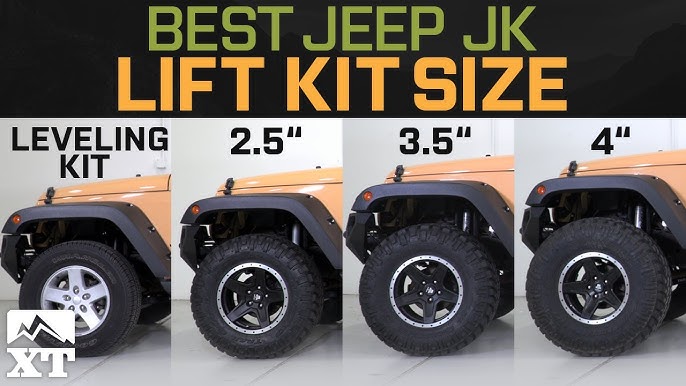
- Lift Kits: To fit larger tires (like 33” or 35”), you often need a suspension lift.
- Gearing: Bigger tires can change how your Wrangler accelerates. Some owners re-gear the axles to restore performance.
- Speedometer Recalibration: After changing tire size, you should recalibrate the speedometer for accuracy.
Factory Tire Brands And Types
Jeep Wranglers come with all-terrain or highway tires, depending on trim. For example, the Rubicon usually has BFGoodrich All-Terrain T/A KO2, while other trims may have Bridgestone Dueler or Michelin LTX.
- All-Terrain tires: Better for off-roading, gravel, and mud.
- Highway tires: Quieter and smoother on pavement, but less grip off-road.
Real-world Example: Jl Wrangler Rubicon
The current JL Rubicon comes with 285/70R17 tires. Here’s what this means in inches:
- Width: About 11.2 inches
- Height: About 32.7 inches
These are larger than most stock tires on other trims, giving the Rubicon a higher stance and better off-road ability. Many owners upgrade to 35” or even 37” tires, but this requires a lift and other modifications.
Common Mistakes With Tire Size
Beginners often make some mistakes when changing Wrangler tires:
- Ignoring Backspacing: Not checking wheel backspacing can cause new tires to rub on suspension parts.
- Skipping a Lift: Trying to fit big tires without lifting the Jeep leads to rubbing and poor handling.
- Not Recalibrating: Failing to adjust the speedometer causes incorrect speed and mileage readings.
A helpful resource for more technical details is the Jeep Wrangler Wikipedia page.

Stock Tire Size Vs. Aftermarket
Some Jeep owners notice a difference in ride comfort after switching from stock tires to larger ones. Stock tires usually give a smoother ride, better mileage, and less road noise. Aftermarket tires can boost off-road performance, but often at the cost of comfort and fuel efficiency.
Consider your driving habits. If you mostly drive on roads, the stock tire size might be best.
If you love trails and mud, a bigger tire could be worth it—but only with the right upgrades.
Frequently Asked Questions
What Is The Stock Tire Size For A Jeep Wrangler Jl?
The most common stock tire sizes for the JL (2018–present) are 245/75R17 for Sport/Sport S, 255/70R18 for Sahara, and 285/70R17 for the Rubicon.
Can I Fit 33-inch Tires On A Stock Jeep Wrangler?
Most Wranglers can fit 33-inch tires without a lift, but some rubbing may occur during full turns or off-road articulation. Rubicon models have more clearance from the factory.
Will Bigger Tires Affect My Jeep’s Warranty?
If the new tires cause damage or affect related parts, your warranty claim may be denied. Always check with your dealer before making changes.
How Do I Know If A Tire Will Fit My Jeep?
Check your Wrangler’s manual for maximum recommended tire size. Consider wheel size, backspacing, and whether you have a lift kit.
Do Bigger Tires Improve Off-road Performance?
Yes, bigger tires can increase ground clearance and traction. However, they may reduce on-road comfort and require suspension or gearing upgrades to work well.
A stock tire size isn’t just a number—it’s a key detail for safety, comfort, and long-term Jeep performance. Whether you stick with the factory tires or go bigger, understanding your options will help you make the right choice for your Wrangler.