The name Rubicon Jeep often sparks excitement among car enthusiasts and adventure lovers. If you’ve seen rugged SUVs climbing rocks or splashing through mud, you’ve likely seen a Jeep Rubicon.
But what makes this model special? Why do people trust it for tough trails and extreme conditions?
Let’s explore what the Rubicon Jeep really is, how it stands out, and what you should know before considering one.
What Is A Rubicon Jeep?
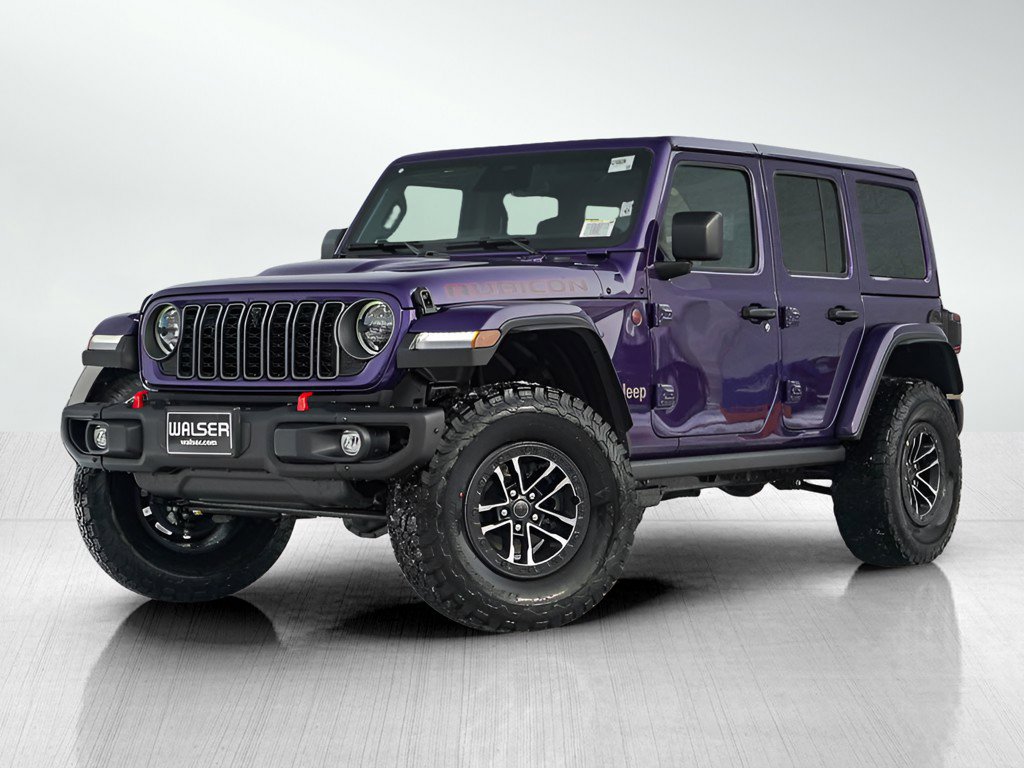
A Rubicon Jeep is a specific trim of the Jeep Wrangler, designed for serious off-road use. The name comes from the Rubicon Trail in California—a challenging route famous for testing the limits of vehicles. Jeep created the Rubicon trim to handle this trail, meaning it’s built for tough terrain, not just city driving.
Rubicon models typically include advanced features like locking differentials, heavy-duty axles, and off-road tires. These features aren’t just marketing—they actually make the Rubicon more capable than standard Jeeps.
Key Features That Set Rubicon Apart
Rubicon Jeeps have several features that make them unique:
- Rock-Trac 4×4 system: This advanced four-wheel-drive system helps Rubicon Jeeps crawl over rocks and rough surfaces better than most SUVs.
- Electronic locking differentials: These help keep both wheels moving together, giving extra grip on slippery or uneven ground.
- Disconnecting sway bar: This allows the front wheels to move more freely, improving flexibility and control on rocky paths.
- Heavy-duty Dana 44 axles: Stronger axles mean the Rubicon can take more punishment without breaking.
- All-terrain tires: Big, tough tires designed for mud, snow, and rocks.
The Rubicon also comes with skid plates, tow hooks, and higher ground clearance. These features protect the vehicle and help it recover if it gets stuck.
Rubicon Vs Other Jeep Wrangler Models
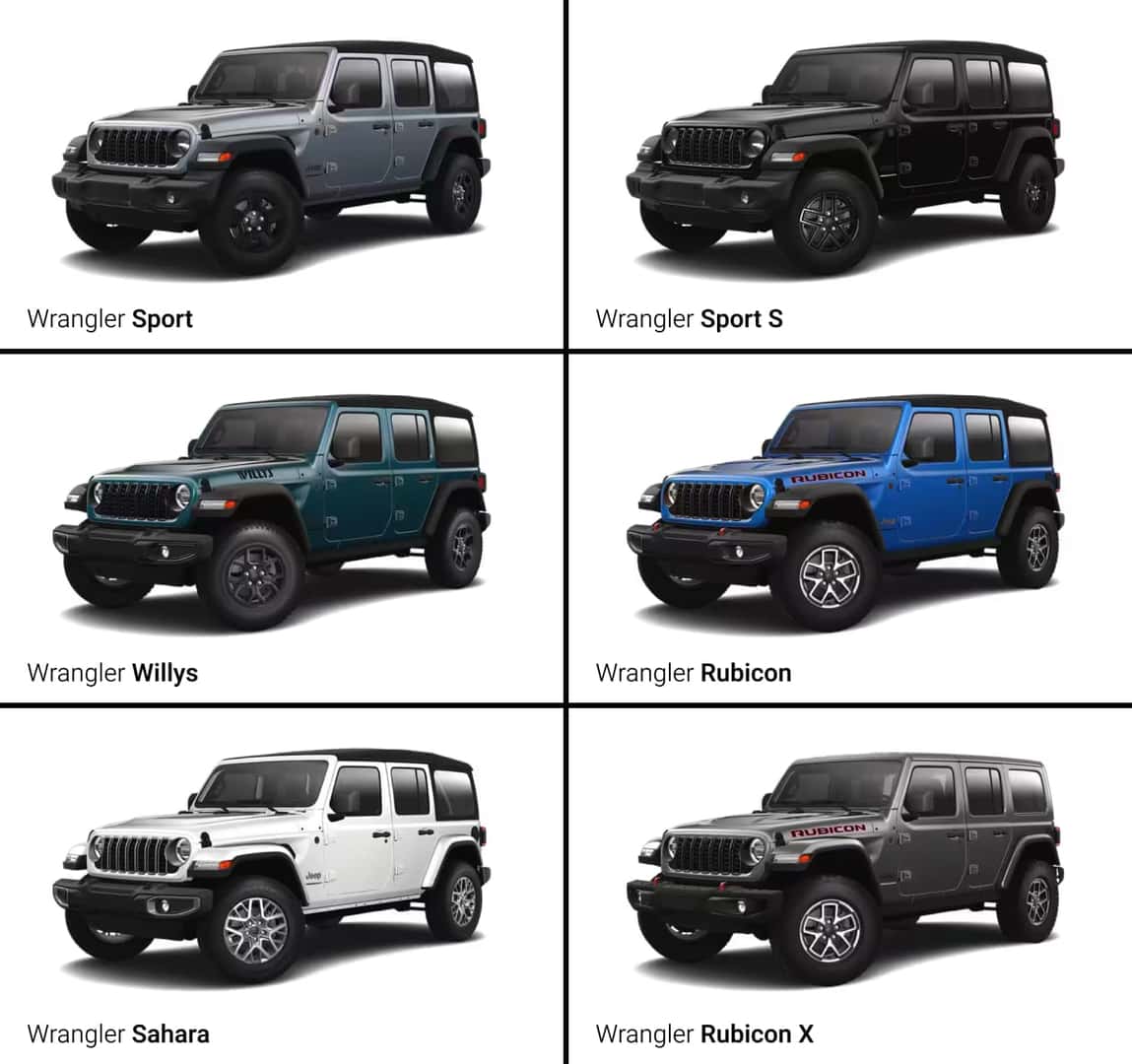
To understand Rubicon’s place in the Jeep lineup, it’s helpful to compare it with other Wrangler trims. Here’s a quick look at how the Rubicon stacks up against two popular alternatives:
| Feature | Rubicon | Sport | Sahara |
|---|---|---|---|
| 4×4 System | Rock-Trac | Command-Trac | Command-Trac |
| Locking Differentials | Front & Rear | No | No |
| Axles | Dana 44 | Dana 30/35 | Dana 30/35 |
| Off-road Tires | 33-inch | Standard | All-season |
| Disconnecting Sway Bar | Yes | No | No |
This table shows that the Rubicon is focused on off-road performance, while other trims are more for everyday driving.
Real-world Performance
Rubicon Jeeps are known for their ability to tackle tough trails. Many owners use them for activities like rock crawling, mudding, and snow driving.
For example, a Rubicon can climb steep hills and cross rivers that would stop most other vehicles.
Independent tests show the Rubicon’s approach angle (the angle at which a vehicle can climb obstacles) is about 44 degrees, much higher than most SUVs. Its ground clearance is around 10.8 inches, making it easier to drive over rocks without damage.
Here’s a quick comparison of the Rubicon and a typical SUV:
| Specification | Rubicon Jeep | Standard SUV |
|---|---|---|
| Ground Clearance | 10.8 inches | 6–8 inches |
| Approach Angle | 44 degrees | 18–25 degrees |
| Water Fording | 30 inches | 12–18 inches |
These numbers show the Rubicon’s advantage in difficult environments.
Rubicon Jeep Models And Generations
The Rubicon trim was first introduced in 2003. Since then, Jeep has improved it with each new generation. Today, you can buy the Rubicon as part of the Jeep Wrangler and Jeep Gladiator lines.
Wrangler Rubicon
The Wrangler Rubicon is available in both two-door and four-door versions. Newer models include options like leather seats, touch-screen navigation, and advanced safety features. The engine choices range from powerful V6 to turbocharged four-cylinder units.
Gladiator Rubicon
The Gladiator Rubicon is a pickup truck version. It combines off-road ability with the practicality of a truck bed, making it popular for people who need both adventure and utility.
Practical Considerations For Buyers
Buying a Rubicon Jeep isn’t just about looks; you need to think about your real needs:
- Purpose: If you mostly drive in cities, the Rubicon’s off-road features might be unnecessary. But if you love hiking, camping, or exploring, it’s a strong choice.
- Cost: Rubicon models are more expensive than other Wranglers. The extra features justify the price for off-road fans but may be too much for casual users.
- Maintenance: Off-road parts can wear out faster, so be ready for higher maintenance costs.
- Fuel Economy: The heavy-duty features make Rubicons less fuel-efficient than lighter SUVs.
- Resale Value: Rubicons often hold their value well because of their reputation.
Many beginners overlook the importance of tire maintenance. Off-road tires need regular checks, especially after tough trips. Also, using locking differentials incorrectly can cause damage—always learn how to use these features before heading out.

Rubicon Jeep: Myths And Facts
Some people believe the Rubicon is only for professionals, but it’s actually user-friendly. The controls for off-road features are simple, and many owners use them for daily driving.
Another myth is that Rubicons can go anywhere, but even they have limits deep mud, flooding, or extreme weather can challenge any vehicle.
Comparing Rubicon With Competition
The Rubicon Jeep faces strong rivals like the Toyota 4Runner TRD Pro and Ford Bronco Badlands. Here’s a quick comparison:
| Model | Off-road System | Ground Clearance | Locking Differentials |
|---|---|---|---|
| Jeep Rubicon | Rock-Trac 4×4 | 10.8 inches | Front & Rear |
| Toyota 4Runner TRD Pro | Multi-Terrain Select | 9.6 inches | Rear |
| Ford Bronco Badlands | Advanced 4×4 | 11.6 inches | Front & Rear |
Each model has strengths, but the Rubicon’s combination of features and history makes it a standout.

Frequently Asked Questions
What Makes A Rubicon Jeep Different From Other Jeeps?
The Rubicon has unique off-road features like locking differentials, Rock-Trac 4×4, and heavy-duty axles. These make it much more capable than standard Jeep models.
Is The Rubicon Jeep Good For City Driving?
Yes, but its off-road focus can make it less comfortable and less fuel-efficient in cities compared to lighter SUVs or other Wrangler trims.
How Much Does A Rubicon Jeep Cost?
Prices usually start around $45,000 for new models, but can go higher with extra options. Used Rubicons often keep their value well.
Can Beginners Drive A Rubicon Jeep Off-road?
Absolutely. The controls are simple, but beginners should learn how to use features like locking differentials and sway bars before tackling tough trails.
Where Can I Find More Details About Rubicon Jeep Specifications?
For official specs and details, visit the Jeep Official Site.
Owning a Rubicon Jeep means you’re ready for adventure. Whether you’re climbing mountains or just want a tough vehicle, the Rubicon’s mix of history, engineering, and real-world performance make it a true icon. If you value off-road ability and dependability, few vehicles match what the Rubicon Jeep offers.