Many Jeep owners love the sense of adventure and durability their vehicles offer. But if you have a Jeep Wrangler, especially from 2007–2011 with the 3.8L V6 engine, you might hear people talk about the Opda Jeep issue. For new Jeep enthusiasts, this term can be confusing. What is it? Why does it matter? And should you worry about it? Let’s break down everything you need to know in simple, clear language.
What Is The Opda Jeep Problem?
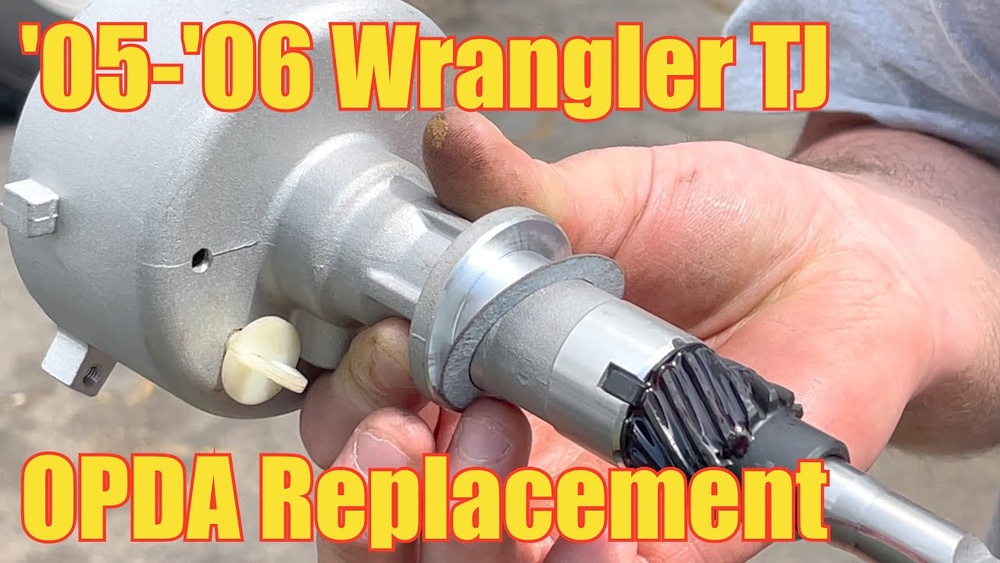
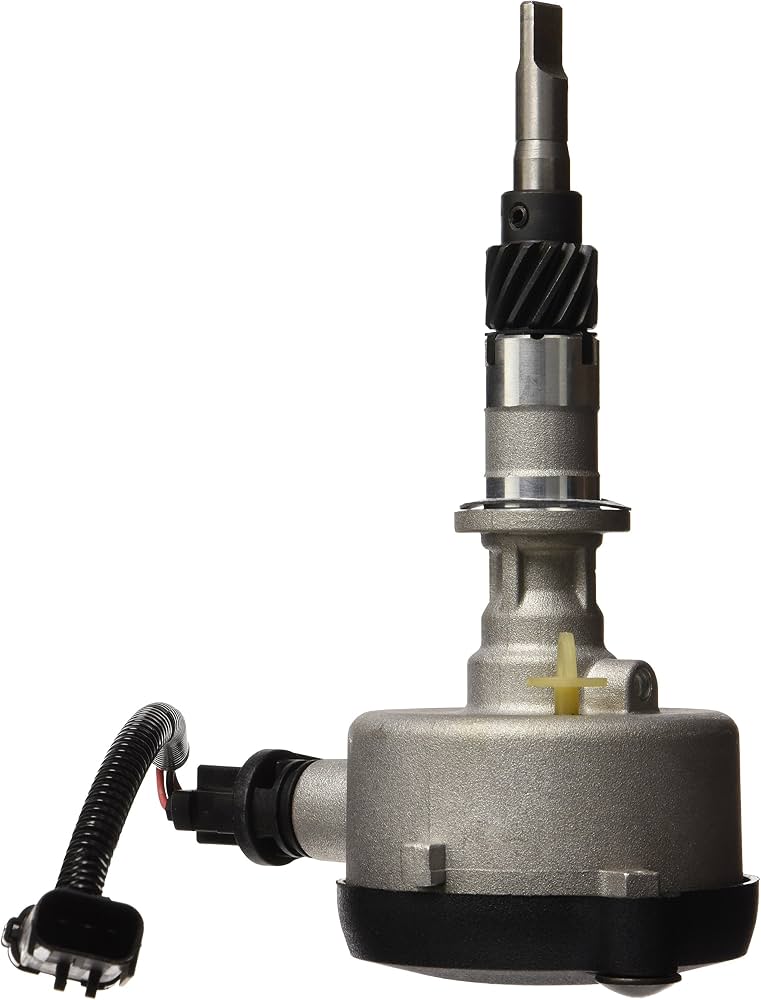
The term Opda stands for Oil Pump Drive Assembly. In certain Jeep Wranglers, especially those built between 2005 and 2011, this part became a well-known trouble spot. The Opda is responsible for two important jobs: driving the oil pump and turning the camshaft position sensor, which helps control engine timing.
When people say “Opda Jeep,” they are talking about the issues and failures linked to this part. The main problem is premature wear or even complete failure, which can lead to serious engine damage if not fixed quickly.
Why The Opda Matters
The Oil Pump Drive Assembly is more than just a small part. If it fails, the engine can lose oil pressure. Without oil, the moving parts inside the engine do not get lubricated, causing heat and friction. This can lead to:
- Engine ticking or knocking sounds
- Loss of power
- Check engine light
- Complete engine failure
One of the most concerning issues is the seized Opda. When it locks up, it can break the gear or damage the camshaft. If you do not catch this problem early, you could face a repair bill of several thousand dollars.
Which Jeep Models Are Affected?
Not every Jeep has this problem. The main vehicles affected are:
- 2005–2006 Jeep Wrangler TJ (with 4.0L engine)
- 2007–2011 Jeep Wrangler JK (with 3.8L V6 engine)
The issue is most common in the 2005 2006 4. 0L engines, but some later models with the 3. 8L V6 also have complaints. If you drive a newer Jeep, or one with a different engine, you usually do not need to worry.
Here is a quick comparison for easy reference:
| Model | Engine | Years | Opda Risk |
|---|---|---|---|
| Wrangler TJ | 4.0L | 2005–2006 | High |
| Wrangler JK | 3.8L V6 | 2007–2011 | Medium |
| Wrangler JL | 3.6L V6 | 2012 and later | Low/None |
Signs Of Opda Failure
Catching the problem early can save your engine. Here are signs that your Jeep’s Opda might be failing:
1. Chirping Or Squealing Noise
A high-pitched sound from the engine, especially on cold starts.
2. Check Engine Light
The computer detects a problem with the camshaft sensor.
3. Misfires Or Stalling
The engine may run rough or suddenly shut off.
4. Metal Shavings In Oil
Worn Opda parts can release metal into the engine oil, which is a bad sign.
If you notice any of these, it is best to check the Opda soon.
Why Did This Issue Happen?
Many car problems are caused by bad design, and the Opda Jeep issue is no different. The main reasons include:
- Poor Lubrication: The assembly sometimes does not get enough oil, leading to fast wear.
- Weak Materials: Some factory parts wear out faster than expected.
- Tight Tolerances: The fit between the gears and the assembly can cause extra friction.
Surprisingly, even well-maintained Jeeps can face this problem. Regular oil changes help, but do not always prevent failure.
How To Check And Replace Your Opda
If you own a Jeep in the risk group, it’s smart to check your Opda regularly. Here’s a simple process:
- Listen for Noises: Start your engine and listen for unusual sounds.
- Inspect the Assembly: Remove the Opda and look for wear, especially on the gear teeth.
- Check the Camshaft Sensor: Make sure it is clean and working.
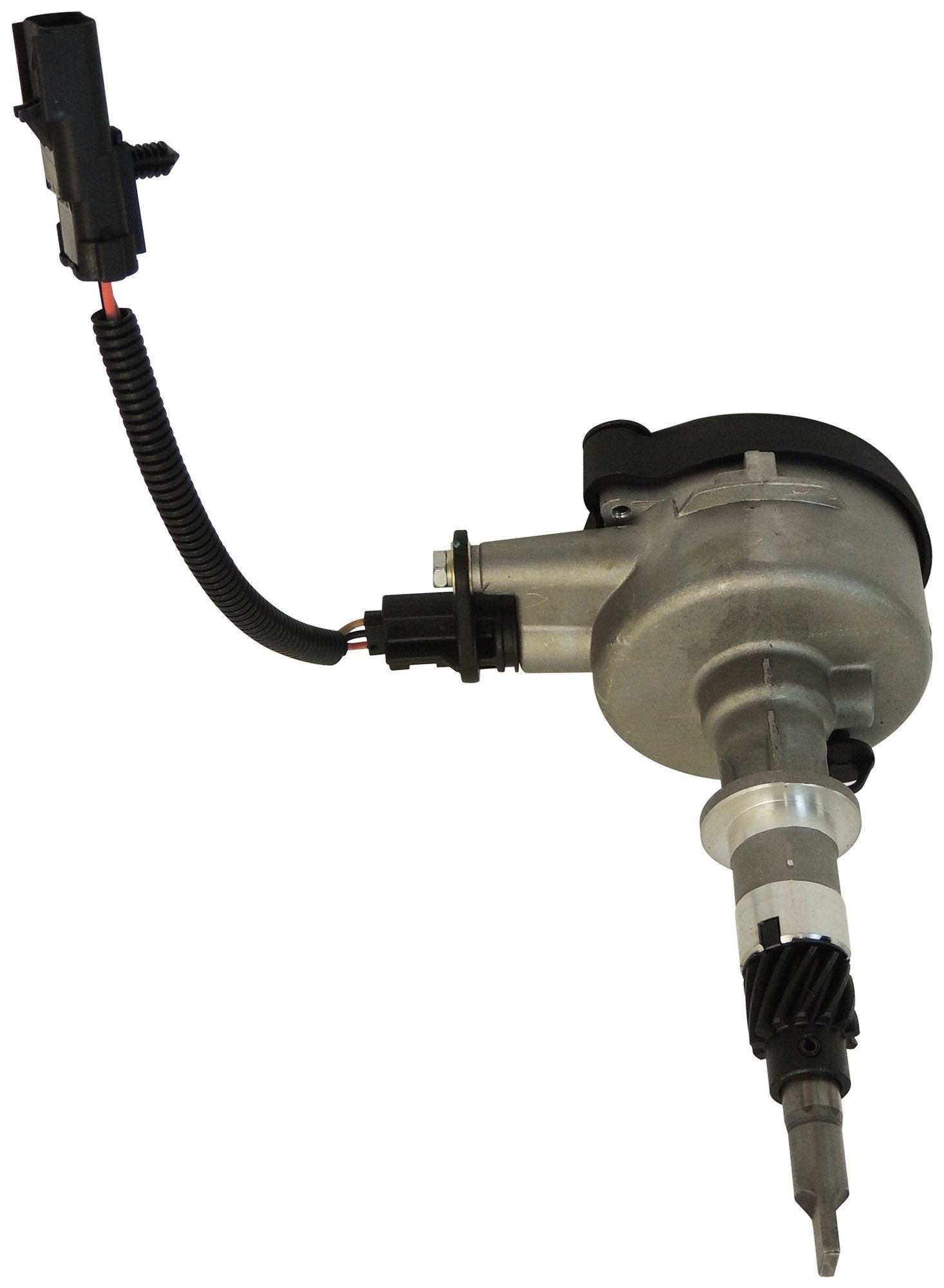
If you see any wear, replacing the Opda is much cheaper than fixing a broken engine. Many owners choose to swap the factory part for an aftermarket upgrade, which uses better materials and oiling holes.
Here is a comparison of factory vs aftermarket Opda assemblies:
| Feature | Factory Opda | Aftermarket Opda |
|---|---|---|
| Material Quality | Standard | Improved/Upgraded |
| Lubrication Holes | Few | More, for better oil flow |
| Expected Lifespan | Shorter | Longer |
| Cost | Lower | Higher |
Many Jeep owners report that an upgraded Opda gives peace of mind, especially for off-road adventures.
Real-world Examples
Owners share many stories online about Opda failures. For example, one 2006 Wrangler owner noticed a chirping noise at 55,000 miles.
By replacing the Opda early, he avoided engine damage. Another driver ignored the sound, and his engine failed at 80,000 miles, costing over $3,000 to fix.
These stories show why it pays to pay attention. Early action saves money and stress.
Two Key Insights Jeep Owners Miss
1. Even Low-mileage Jeeps Are At Risk
Many believe that problems only happen in high-mileage vehicles. In fact, some Opda failures occur as early as 40,000 miles.
2. Visual Checks Are Not Enough
The part may look fine from the outside but be worn inside. Listening for sounds and checking oil for metal are smarter ways to catch problems early.
Cost Of Repair And Prevention
Replacing the Opda is not very expensive compared to an engine rebuild. Here’s an estimate:
| Repair Type | Estimated Cost (USD) |
|---|---|
| Opda Replacement (parts + labor) | $250–$400 |
| Engine Repair (if Opda fails) | $2,500–$4,000 |
For most Jeep owners, replacing the Opda early is a good investment.
Final Thoughts
The Opda Jeep problem is serious but manageable. If you own a Wrangler from 2005–2011, pay attention to engine sounds and check your Opda regularly. Early replacement with an upgraded part can prevent major engine damage and keep your Jeep running for many more adventures.
For more in-depth technical details, see this Jeep Wrangler overview.
Frequently Asked Questions
What Does Opda Stand For?
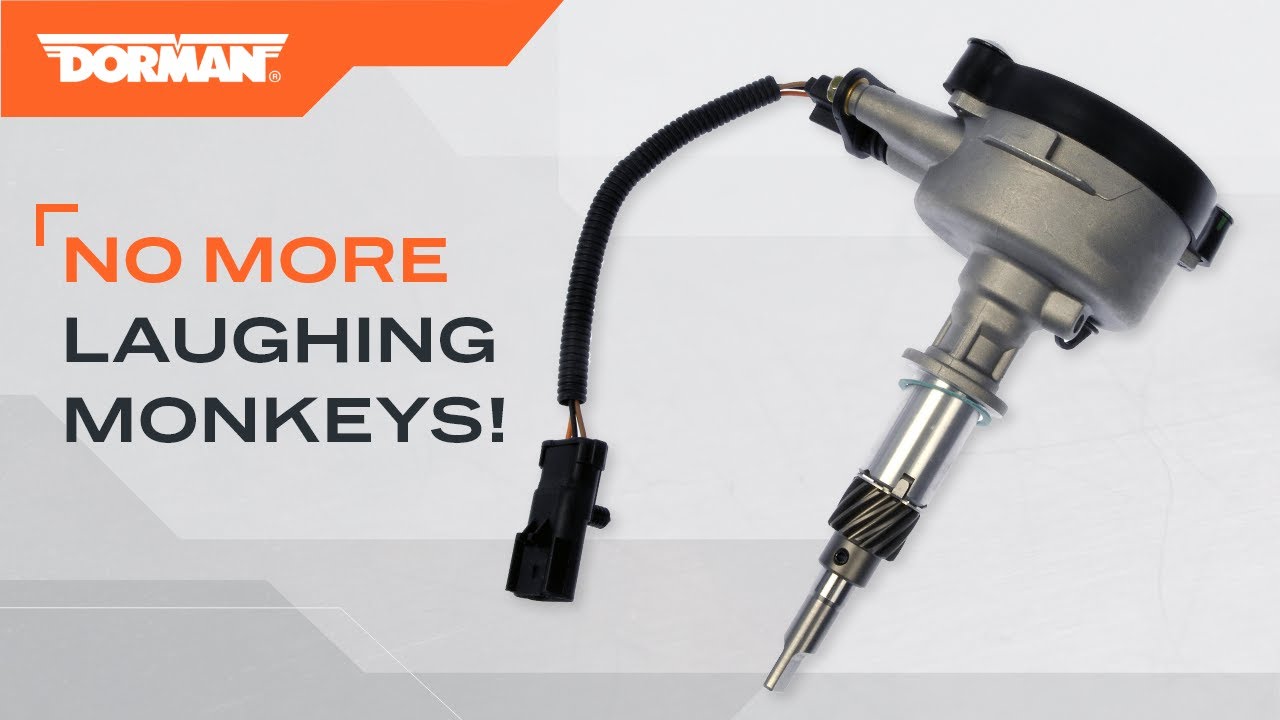
Opda means Oil Pump Drive Assembly, an engine part that drives the oil pump and helps control timing.
How Do I Know If My Jeep Has An Opda Problem?
Listen for chirping or squealing noises, check for the check engine light, and watch for engine misfires or metal in your oil.
Can I Drive With A Failing Opda?
It is not safe. A failing Opda can lead to engine failure. Replace it as soon as you notice a problem.
Is Opda Failure Covered By Warranty?
Most factory warranties no longer apply to these older Jeeps. However, extended warranties might cover it. Always check your policy.
Should I Upgrade To An Aftermarket Opda?
Yes, if you want better reliability. Aftermarket assemblies use stronger materials and better lubrication, reducing the chance of failure.