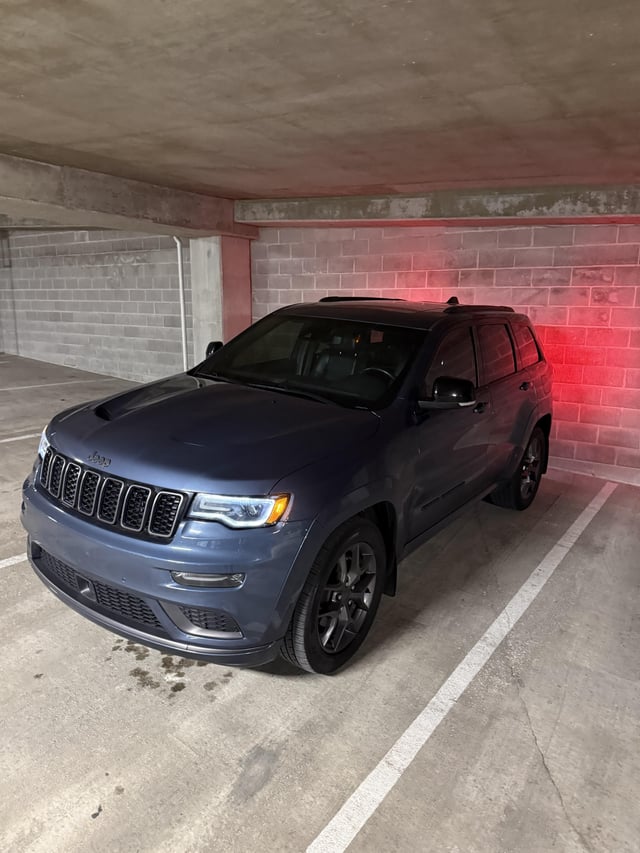
Many Jeep owners notice a strange problem: when they press the gas pedal, their vehicle seems to hesitate before speeding up. This feeling can be worrying, especially if you depend on your Jeep for daily driving or off-road adventures. You might wonder why your Jeep doesn’t respond quickly, if it’s a serious problem, and how to fix it. Understanding the reasons behind acceleration hesitation can help you keep your Jeep reliable and safe.
Common Causes Of Jeep Hesitation
When a Jeep hesitates during acceleration, several parts may be involved. Let’s look at the main reasons, with practical examples and data to help you find the right solution.
1. Faulty Spark Plugs
Spark plugs are small but very important. If they are worn out or dirty, they can cause weak ignition. This leads to poor engine performance and hesitation.

- Most spark plugs last about 30,000–100,000 miles depending on the type.
- Symptoms: Rough engine idle, slow acceleration, and sometimes engine misfires.
2. Clogged Fuel Injectors
Fuel injectors spray fuel into the engine. Over time, dirt and deposits can block them. This causes uneven fuel delivery and hesitation.
- A study found fuel injector cleaning improves acceleration by up to 15%.
- Symptoms: Engine stutters, poor fuel economy, and difficulty starting.
3. Dirty Air Filter
The air filter allows clean air into the engine. If it is clogged, the engine gets less air and loses power.
- Jeep air filters should be replaced every 12,000–15,000 miles.
- Symptoms: Reduced horsepower, sluggish response, and sometimes black smoke from the exhaust.
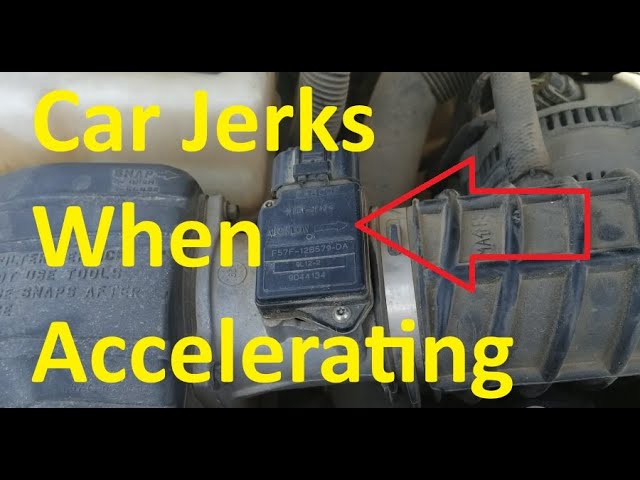
4. Faulty Throttle Position Sensor (tps)
The TPS tells the engine how much gas you want. If it sends wrong signals, the engine may hesitate.
- TPS problems are common in Jeeps older than 10 years.
- Symptoms: Jerky acceleration, hesitation, and sometimes the “Check Engine” light.
5. Bad Fuel Pump
The fuel pump moves gas from the tank to the engine. If it’s weak, the engine doesn’t get enough fuel during acceleration.
- Fuel pumps usually last 100,000 miles, but some fail earlier.
- Symptoms: Sputtering at high speeds, hesitation, and stalling.
6. Transmission Issues
Sometimes, hesitation is not the engine but the transmission. If the gears shift slowly or slip, you’ll feel a delay.
- Automatic transmissions are more likely to cause hesitation, especially after 80,000 miles.
- Symptoms: Engine revs but Jeep doesn’t move faster, hard or delayed shifts.
How To Diagnose Jeep Hesitation
You don’t always need expensive tools to start diagnosing. Here are simple steps:
- Check for warning lights: Is the “Check Engine” light on?
- Listen for sounds: Any strange noises when accelerating?
- Inspect spark plugs and air filter: Remove and look for wear or dirt.
- Observe fuel economy: Has your Jeep been using more gas?
- Feel for gear shifts: Are they smooth or delayed?
If you find a problem, fix it soon. Ignoring hesitation can lead to more damage and higher repair costs.
| Cause | Easy to Check? | Repair Cost (USD) |
|---|---|---|
| Spark Plugs | Yes | $40–$150 |
| Fuel Injectors | No | $100–$400 |
| Air Filter | Yes | $20–$50 |
| TPS | No | $100–$200 |
| Fuel Pump | No | $350–$700 |
| Transmission | No | $1,000–$3,500 |
How To Fix Jeep Hesitation
Once you know the cause, fixing hesitation can be simple or complex. Here’s what to do for each common issue:
- Spark Plugs: Replace with new ones. Use the type recommended in your owner’s manual.
- Fuel Injectors: Try fuel system cleaners first. If that doesn’t work, professional cleaning or replacement may be needed.
- Air Filter: Change it yourself—filters are cheap and easy to install.
- TPS: Have a mechanic test and replace if needed. Incorrect installation can cause more problems.
- Fuel Pump: Replacement requires special tools. Let an expert do it.
- Transmission: Check fluid level first. If it’s low, top it up. For bigger problems, visit a transmission shop.
| DIY Friendly? | Skill Needed | Time to Fix |
|---|---|---|
| Spark Plugs | Basic | 30–60 minutes |
| Air Filter | Beginner | 10–15 minutes |
| Fuel Injectors | Intermediate | 1–2 hours |
| TPS | Advanced | 1–2 hours |
| Fuel Pump | Expert | 3–5 hours |
| Transmission | Expert | 6+ hours |
Extra Insights Most Jeep Owners Miss
- Regular maintenance can prevent most hesitation problems. Many Jeep owners forget to change filters or check spark plugs on time.
- Quality of fuel matters. Using poor-quality gas can clog injectors and damage sensors faster.
- Some drivers ignore small hesitation because it’s “not too bad.” But minor issues can grow quickly, leading to expensive repairs.
When To See A Mechanic
If your Jeep still hesitates after basic fixes, or if you notice strong smells, loud noises, or the “Check Engine” light stays on, don’t wait. Professional mechanics have tools to read error codes and check hard-to-reach parts.
Delaying repairs can risk your safety and increase costs.
For more information on vehicle troubleshooting, visit Consumer Reports.
Frequently Asked Questions
Why Does My Jeep Hesitate Only When It’s Cold?
Cold engines need more fuel to start. If parts like the fuel injectors or TPS are weak, hesitation is more noticeable in cold weather.
Can Bad Gas Cause Hesitation?
Yes. Low-quality or contaminated gasoline can clog fuel injectors and damage sensors, leading to hesitation.
How Often Should I Change My Jeep’s Air Filter?
Replace the air filter every 12,000–15,000 miles or once a year for best performance.
Is It Safe To Drive With Hesitation?
It’s risky. Hesitation can mean serious problems.
Driving with hesitation may lead to breakdowns or accidents.
What Is The Cost To Fix Jeep Hesitation?
Costs range from $20 for an air filter to over $3,000 for transmission repairs. The price depends on the cause and Jeep model.
Spotting and fixing hesitation early helps keep your Jeep running strong. With regular care and quick action, you can avoid most acceleration problems and enjoy a smooth drive.