The Willys Jeep stands as an icon of rugged reliability and military history. Many people wonder just how much one of these legendary vehicles weighs.
The answer is not as simple as a single number. Willys Jeeps were produced in several versions, and each model has its own weight.
Knowing the weight of a Willys Jeep is important for restoration projects, transportation, or even just out of curiosity. If you have ever seen one up close, you might be surprised by how compact yet solid these vehicles feel.
Let’s dive into the numbers and details to give you a clear, complete picture.
Understanding Willys Jeep Models
The term “Willys Jeep” usually refers to the Willys MB (the classic WWII model) and its close relatives. However, production continued after the war with civilian models like the CJ-2A and CJ-3A. Each type was designed with specific features and uses, which affected its weight.
The main Willys Jeep models include:
- Willys MB (military, WWII)
- Ford GPW (military, WWII, Ford-built clone)
- CJ-2A (first civilian Jeep)
- CJ-3A (improved civilian model)
Each model has slight differences in frame, body, and equipment. Even small details, like tire size or fuel tank, can change the total weight.
Typical Weights Of Willys Jeep Models
To get a clearer idea, here’s a comparison of common Willys Jeep models and their factory weights:
| Model | Year(s) | Weight (lbs) | Weight (kg) |
|---|---|---|---|
| Willys MB | 1941–1945 | 2,450 | 1,110 |
| Ford GPW | 1941–1945 | 2,450 | 1,110 |
| CJ-2A | 1945–1949 | 2,137 | 970 |
| CJ-3A | 1949–1953 | 2,140 | 971 |
These numbers show the curb weight (vehicle with standard equipment, all fluids, but no cargo or passengers).
What Affects The Weight Of A Willys Jeep?
Not every Willys Jeep will match the numbers from the factory. Several factors can change the total weight:
- Original military equipment: Extra gear such as radios, machine gun mounts, or jerry cans add weight.
- Civilian upgrades: Owners often add bigger tires, winches, or roll bars.
- Restoration parts: Some replacement parts today use heavier materials.
- Cargo and fuel: A full gas tank, spare tire, and personal gear quickly add 100–200 lbs (45–90 kg).
Many restored Jeeps on the road today are not exactly as they left the factory. Some owners strip away extra weight for shows, while others add modern comforts.
Willys Jeep Vs. Modern Vehicles
If you compare the Willys Jeep to modern SUVs or trucks, the difference is clear. Today’s vehicles are much heavier because of safety standards, larger bodies, and more powerful engines.
Here’s a quick look at how the Willys Jeep stacks up:
| Vehicle | Model Year | Weight (lbs) |
|---|---|---|
| Willys MB | 1945 | 2,450 |
| Jeep Wrangler Sport | 2024 | 4,167 |
| Ford F-150 | 2024 | 4,021 |
| Toyota RAV4 | 2024 | 3,370 |
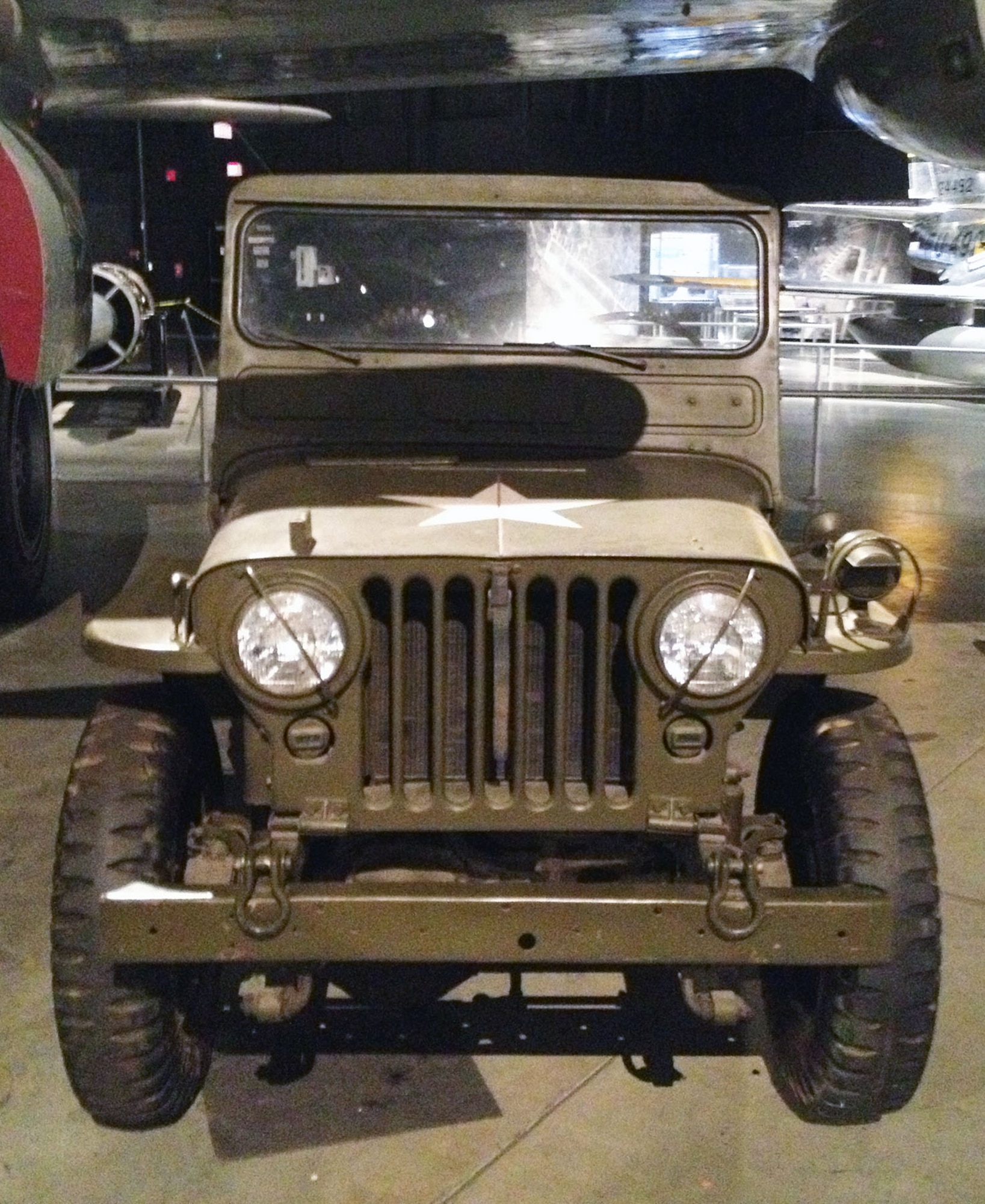
The Willys Jeep weighs almost half as much as a modern Wrangler. This lighter weight made it easy to ship, repair, and move during the war.
Why Willys Jeep Weight Matters
Understanding the weight of a Willys Jeep is more than trivia. It has several practical uses:
- Transport and shipping: Knowing the weight is key when using trailers or shipping overseas.
- Restoration work: Lighter weight affects how the Jeep handles and what parts fit best.
- Legal limits: Some roads or bridges have weight restrictions.
- Off-road driving: A lighter Jeep can move more easily over rough terrain.
A common mistake is thinking all old Jeeps are the same weight. Even small changes in equipment or model year can make a difference.
Non-obvious Insights For Owners And Buyers
Many beginners overlook two important details:
- Weight distribution: The Willys Jeep has a front-heavy design due to the engine. Adding heavy accessories in the back, like a steel bumper or spare tire, can change handling.
- Shipping variations: Military Jeeps were sometimes shipped with fluids drained or parts removed, so shipping weight may be lower than curb weight.
If you plan to buy or restore a Willys Jeep, always check the specific weight for your model and its current setup.
Real-world Examples
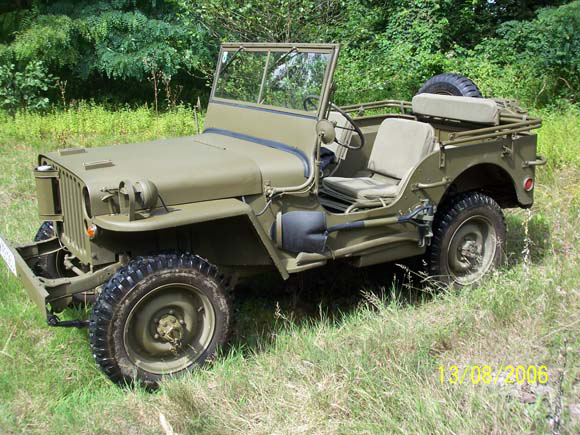
During World War II, the U. S. military needed vehicles that could be lifted, pushed, or even carried by a few soldiers. The Willys MB’s low weight allowed four strong men to lift it out of mud or onto a transport plane.
This is much harder with today’s heavier vehicles.
Collectors sometimes run into problems when shipping Jeeps across states or countries. Underestimating the real weight can lead to extra costs or safety risks.
For more historical and technical details, the Willys MB Wikipedia page is a great resource.
Frequently Asked Questions
How Much Does A Wwii Willys Jeep Weigh?
A standard Willys MB or Ford GPW weighs around 2,450 lbs (1,110 kg) with all fluids and basic equipment.
What Is The Difference Between Curb Weight And Gross Weight For A Willys Jeep?
Curb weight is the vehicle ready to drive, with all fluids but no passengers or cargo. Gross weight includes people, fuel, gear, and extra equipment.
Did All Willys Jeeps Weigh The Same?
No. Military Jeeps often carried extra gear, while civilian models like the CJ-2A were a bit lighter. Custom upgrades can also change the weight.
Can A Willys Jeep Be Towed By A Regular Car?
Because of its light weight, many SUVs and trucks can tow a Willys Jeep on a trailer. Always check the tow rating and trailer limits.
How Does The Willys Jeep’s Weight Affect Off-road Driving?
A lighter vehicle like the Willys Jeep can cross soft ground and mud more easily. It is less likely to get stuck compared to heavier modern SUVs.
The Willys Jeep’s weight helped make it a legend. Understanding these numbers gives you a better sense of why it performed so well in the field and why it remains popular today.
Whether you’re restoring, buying, or just admiring, knowing the real weight of a Willys Jeep is key to appreciating this piece of history.