If you own a Jeep Grand Cherokee, understanding normal oil pressure is essential for keeping your engine healthy. Oil pressure tells you how well your engine’s oil system is working.
If pressure is too low or too high, it can signal serious problems. Many drivers worry about oil pressure readings, especially when they see warning lights or unusual numbers.
This guide explains what normal oil pressure means for your Grand Cherokee, how it varies, and what to do if things don’t look right.

What Is Oil Pressure And Why Does It Matter?
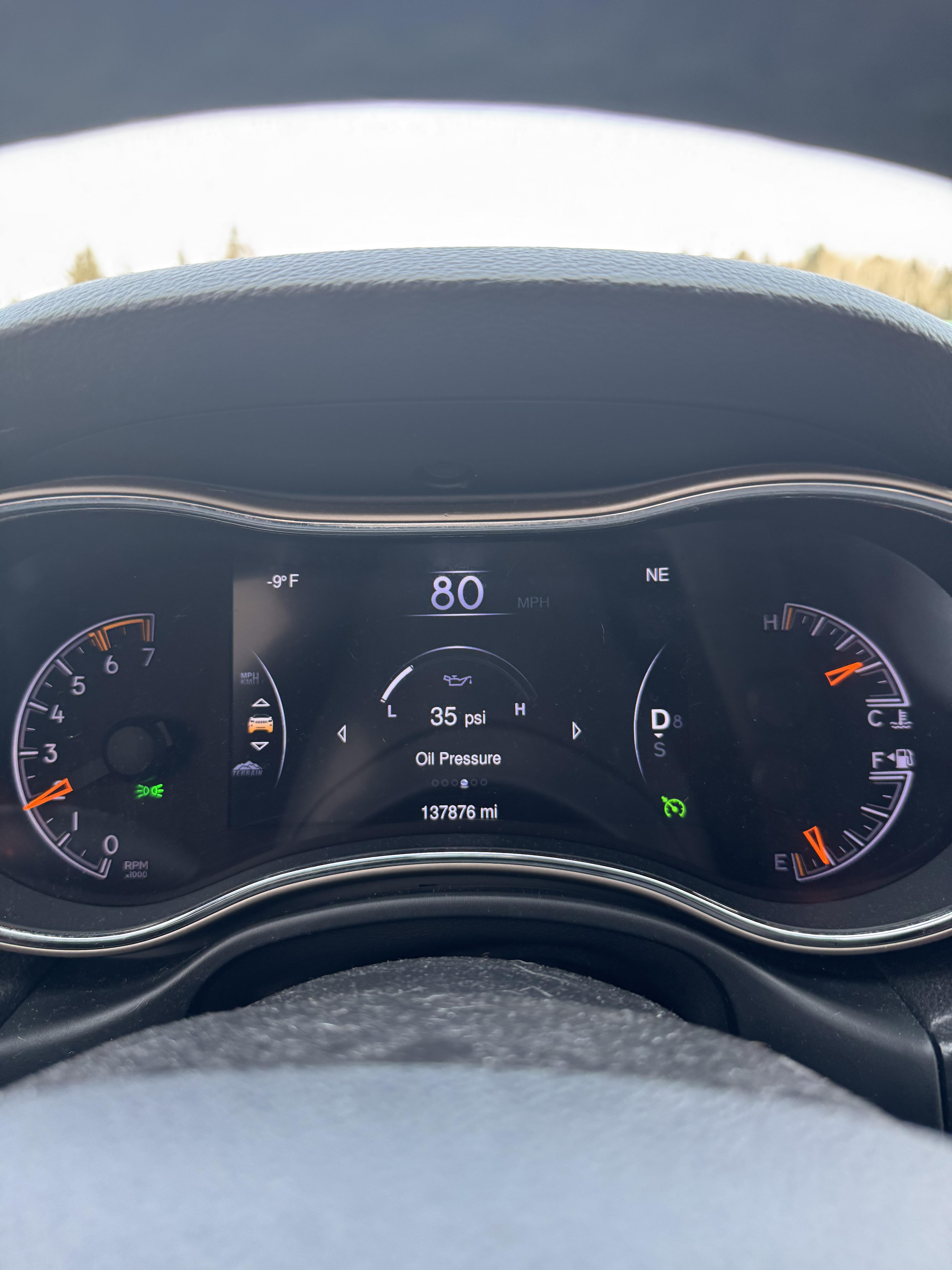
Oil pressure is the force that pushes oil through your engine. The oil lubricates moving parts, keeps them cool, and prevents wear. If oil pressure drops, engine parts may rub together and overheat. Too much pressure can also cause leaks or damage seals. Most Jeep Grand Cherokee models use a dashboard gauge or digital display to show oil pressure in pounds per square inch (PSI). Monitoring this number helps you spot problems early.
Normal Oil Pressure Range For Jeep Grand Cherokee
The normal oil pressure depends on your Jeep’s engine type, year, and driving conditions. Usually, 20 to 60 PSI is considered safe. Let’s break it down further:
| Engine Type | Idle (PSI) | Driving (PSI) |
|---|---|---|
| 3.6L V6 (2011-2026) | 18-25 | 45-60 |
| 5.7L V8 (2005-2026) | 20-30 | 50-65 |
| 4.0L I6 (1993-2004) | 15-25 | 40-55 |
At idle, oil pressure is lower because the engine spins slowly. When you drive, pressure rises as RPM increases. If your reading stays within these ranges, your engine should be in good shape.
Factors That Affect Oil Pressure
Several things impact oil pressure in your Jeep Grand Cherokee:
- Oil Type and Condition: Using the wrong oil viscosity (thickness) or old, dirty oil can change pressure.
- Engine Temperature: Cold engines usually show higher pressure. As oil warms up, pressure drops slightly.
- RPM: Higher RPM means more oil flow, so pressure increases.
- Oil Level: Low oil level reduces pressure and can trigger warnings.
- Wear and Tear: Older engines may have worn bearings, causing lower pressure.
These factors can create small changes in your readings. However, big drops or spikes often mean trouble.
How To Check Oil Pressure Accurately
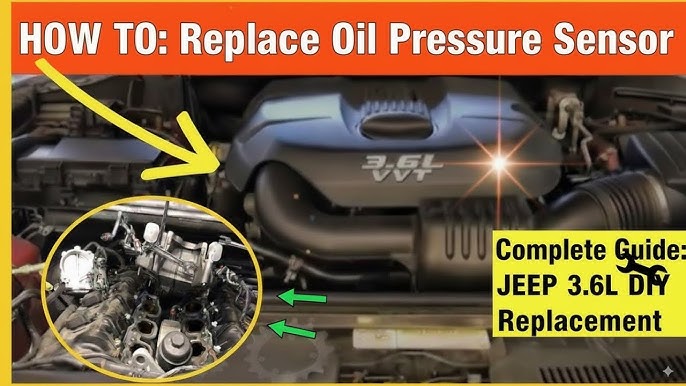
Your Jeep uses a sensor to monitor oil pressure and send data to the dashboard. For most models:
- Start the engine and let it warm up.
- Watch the gauge at idle (should be at the lower end).
- Rev the engine gently and note the pressure rise.
If you want a more precise reading, use a mechanical gauge. Mechanics connect this tool to your engine, giving a direct PSI measurement.
This is useful if you suspect your sensor is faulty or your dashboard reading seems off.
Signs Of Abnormal Oil Pressure
There are clear signs when oil pressure isn’t normal:
- Warning Lights: A red oil can symbol means pressure is dangerously low.
- Unusual Noises: Knocking or ticking from the engine often signals low oil pressure.
- Fluctuating Gauge: If your pressure jumps rapidly or drops to zero, there may be a problem with the sensor or oil system.
Ignoring these signs can lead to engine damage. It’s best to investigate quickly.
Common Causes Of Oil Pressure Problems
Problems with oil pressure in the Jeep Grand Cherokee usually come from:
| Cause | Effect | Solution |
|---|---|---|
| Low Oil Level | Pressure drops | Add oil |
| Wrong Oil Viscosity | Pressure too high/low | Use recommended oil |
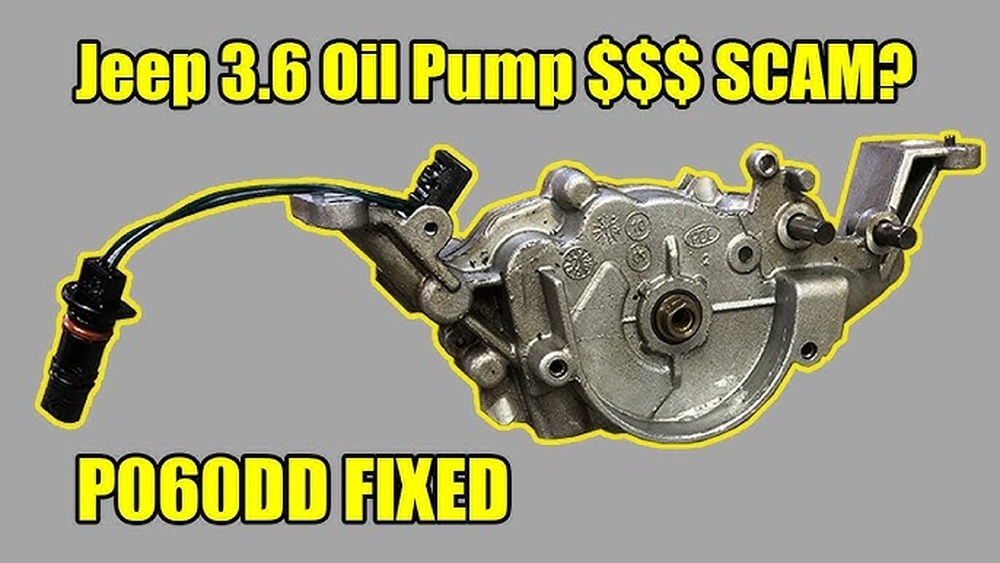
| Oil Pump Failure | No pressure | Replace pump |
| Sensor Malfunction | False readings | Check/replace sensor |
| Clogged Filter | Reduced pressure | Replace filter |
Not all problems are expensive. Sometimes, simply changing the oil or filter solves the issue.
Practical Tips To Keep Oil Pressure Normal
Maintaining normal oil pressure is easy if you follow these steps:
- Change oil and filter regularly (every 5,000–7,500 miles).
- Use the oil grade recommended in your owner’s manual.
- Check oil level monthly.
- Watch dashboard warnings and fix issues fast.
- If you notice changes, get a mechanic to inspect your engine.
Many beginners forget the importance of oil viscosity. Using too thick or too thin oil affects pressure and engine life. Also, don’t ignore small leaks—these can lower oil level and pressure without obvious symptoms.
When To Worry About Oil Pressure
You should worry if:
- Pressure drops below 10 PSI at idle.
- The gauge stays at zero.
- The engine makes loud noises.
Driving with low oil pressure can ruin your engine in minutes. If you see warning lights, turn off the engine and check oil level.
If the level is fine but the pressure is still low, tow your Jeep to a shop.
It’s safer than risking expensive repairs.