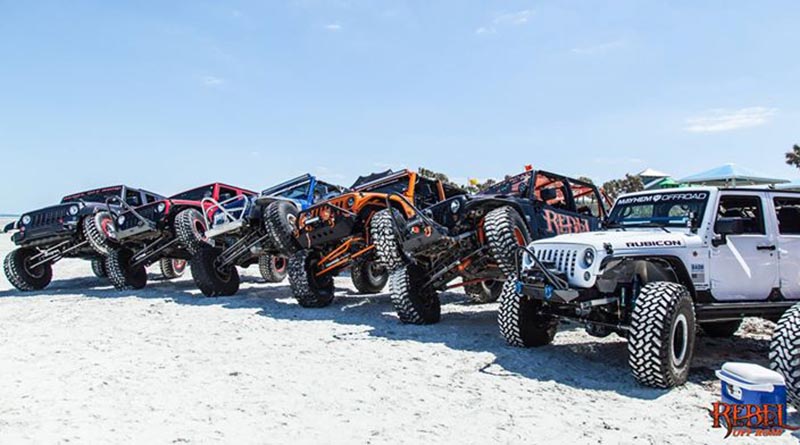
Jeep stacking is a trend that’s quickly gaining attention among off-road enthusiasts and car lovers. If you’ve seen photos of Jeeps parked on top of each other, or heard people talking about it at your local car meet, you might wonder what’s really behind this practice.
While it may sound risky or even confusing, jeep stacking is more than just a stunt—it’s a unique part of the Jeep community. Let’s break down what jeep stacking is, why people do it, and what you need to know if you’re curious about joining in.
What Is Jeep Stacking?
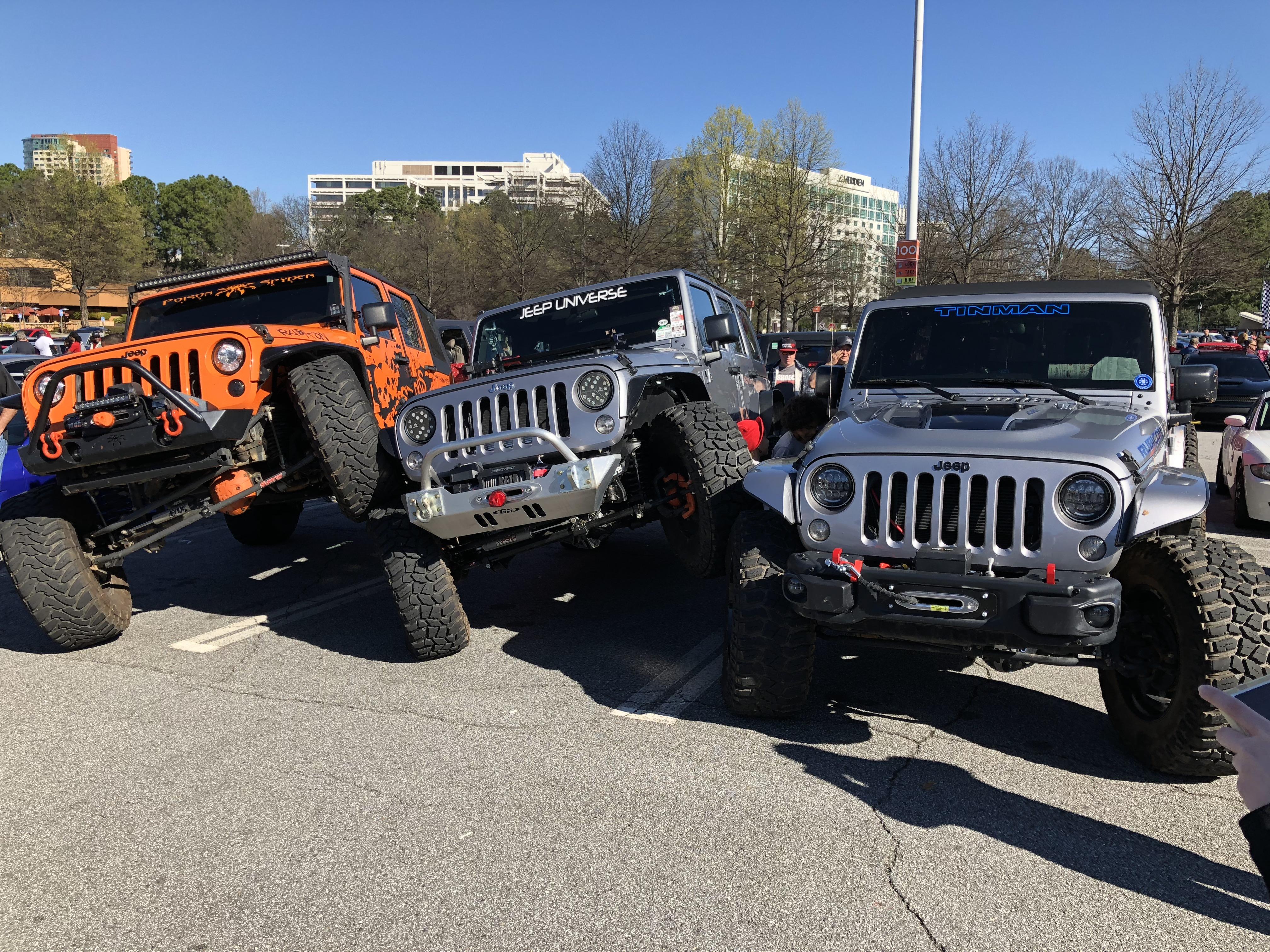
At its core, jeep stacking is the act of parking one Jeep’s tire on top of another Jeep’s tire, often in a controlled, social setting. This is not about literally driving one Jeep onto the roof of another. Instead, it’s a careful display of off-road capability and community spirit.
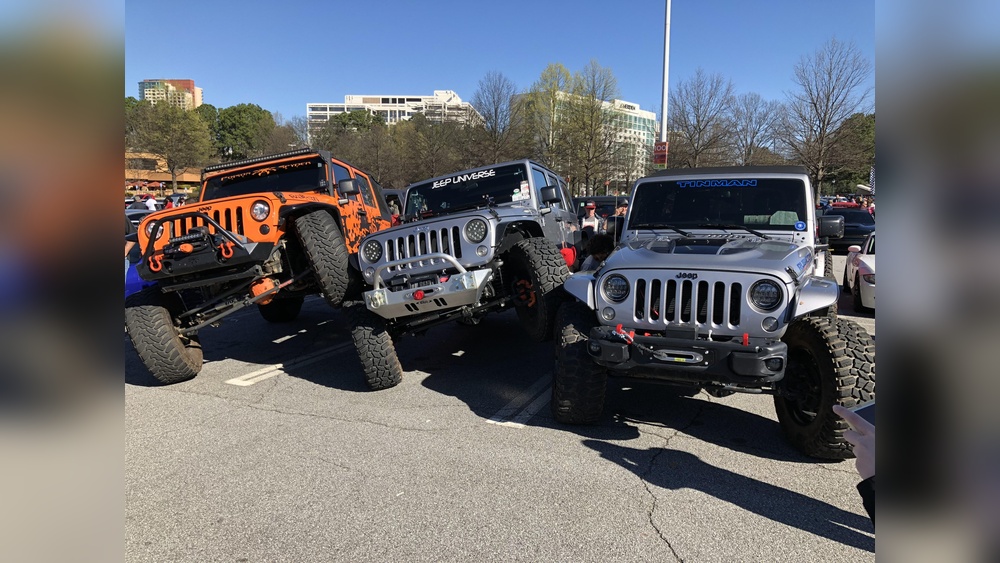
Usually, the driver of one Jeep slowly climbs their tire onto the tire or fender of a parked Jeep. The goal is to show the vehicle’s suspension flex and the driver’s skill.
Events like Jeep meet-ups, off-road rallies, and car shows are common places to see stacking in action.
Jeep Stacking Vs. Rock Crawling
Jeep stacking is sometimes confused with rock crawling, but there are big differences. Rock crawling involves maneuvering a Jeep over large rocks and tough terrain. Jeep stacking is a social activity, not a test of survival or wilderness skills.
Here’s a quick comparison:
| Jeep Stacking | Rock Crawling |
|---|---|
| For fun and social media | For real off-road challenges |
| Usually safe and slow | Can be dangerous and demanding |
| Focuses on suspension flex | Focuses on overall vehicle capability |
Why Do People Stack Jeeps?
The main reason is to showcase the flexibility of their Jeep’s suspension. Many off-roaders invest in lift kits, bigger tires, and other modifications. Jeep stacking is a way to display these upgrades in a safe environment.
Other reasons include:
- Building community: Stacking often happens at Jeep meet-ups, encouraging drivers to connect and share tips.
- Social media: Photos of stacked Jeeps attract attention on platforms like Instagram and Facebook.
- Friendly competition: Some groups challenge each other to create the tallest or most creative stack.
How Is Jeep Stacking Done Safely?
Safety is a priority for responsible Jeep owners. Here are the main steps involved in safe jeep stacking:
- Find a stable, flat surface—such as a parking lot or event ground.
- Communicate clearly with other drivers involved.
- Drive slowly and carefully—one Jeep at a time.
- Use a spotter to guide tire placement and avoid damage.
- Stop before the vehicle’s limits—do not force the Jeep higher than the suspension allows.
Most stacking does not involve more than two or three Jeeps at a time, and only experienced drivers attempt multi-vehicle stacks.
Common Mistakes To Avoid
- Trying to stack with unmodified, stock Jeeps (they may not have enough suspension flex)
- Rushing the process or skipping the spotter
- Stacking on uneven or sloped ground
What Types Of Jeeps Are Best For Stacking?
While almost any Jeep can participate, certain models are better suited for stacking:
| Jeep Model | Stacking Suitability | Notes |
|---|---|---|
| Wrangler (JK, JL) | Excellent | Highly flexible suspension |
| Gladiator | Good | Long wheelbase, stable |
| Cherokee (XJ) | Fair | Some modifications needed |
| Renegade | Poor | Limited suspension travel |
Lifted Jeeps with off-road tires and upgraded shocks will stack more easily and safely. Stock vehicles with low ground clearance can be damaged if pushed too far.

Is Jeep Stacking Legal?
There are no universal laws against jeep stacking, but some important rules apply:
- Private property: Always get permission if you’re on someone else’s land.
- Public events: Follow organizer guidelines—some events do not allow stacking for safety reasons.
- Road use: Never attempt jeep stacking on public streets; it’s unsafe and likely illegal.
Some states or countries have specific rules about vehicle gatherings. Always check local regulations before organizing a stack.
Real-world Examples And Data
Jeep stacking first gained popularity in the United States around 2015, but it has spread to Canada, Europe, and Australia. According to the Jeep Jamboree USA, about 10% of their event attendees participate in stacking displays.
One notable event in 2026 saw over 50 Jeeps stacked in various formations, with the tallest stack reaching three Jeeps high. No injuries were reported, as all stacks used experienced spotters and safety checks.
A survey by Off-Road Magazine showed that 60% of Jeep owners have seen stacking at local meets, but only 15% have tried it themselves. The main reasons for not participating were concerns about damaging their vehicle or lack of experience.
Pros And Cons Of Jeep Stacking
It’s important to understand the benefits and risks before trying jeep stacking.
| Pros | Cons |
|---|---|
| Showcases vehicle upgrades | Risk of damage if done incorrectly |
| Fun, social activity | Requires skill and communication |
| Great for photos and videos | May not be allowed at all events |
A non-obvious insight: Many beginners don’t realize that stacking can stress certain parts of the vehicle, like the control arms or fender flares. Always inspect your Jeep after stacking for any signs of damage.
Another tip: If you’re new, watch experienced Jeepers first. Don’t feel pressured to join in until you’re comfortable with your vehicle’s limits.
Frequently Asked Questions