If you drive a Jeep, you might have heard about Quadra-Trac. But what is it, and why do so many Jeep fans talk about it?
Quadra-Trac is a special four-wheel drive system that helps your Jeep handle tough roads, slippery conditions, and off-road challenges. Whether you want more control in snow or confidence on rocky trails, understanding Quadra-Trac gives you an edge.
In this guide, you’ll learn how Quadra-Trac works, which Jeeps have it, and why it’s different from other 4WD systems.
How Quadra-trac Works
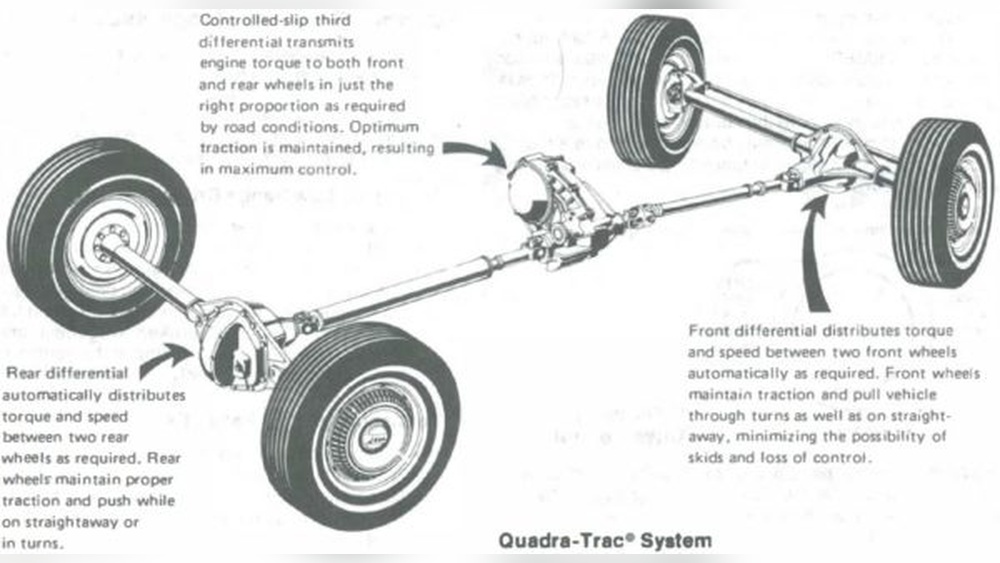
Quadra-Trac was first introduced in 1973 on the Jeep Wagoneer. The system is designed to automatically send power to the wheels that need it most. Unlike traditional 4WD, you don’t have to switch modes yourself. Quadra-Trac uses a central differential and a transfer case to distribute power between the front and rear wheels.
There are different versions of Quadra-Trac, but most share these features:
- Full-time 4WD: Always active, even on dry pavement.
- Automatic power transfer: Sensors decide where power goes.
- No manual switching: You don’t need to shift between 2WD and 4WD.
This means you can drive in rain, snow, or mud without worrying about getting stuck or damaging your drivetrain.
Quadra-trac Variants
Jeep has updated Quadra-Trac over the years. Today, you’ll find three main versions:
| System | Key Features | Main Vehicles |
|---|---|---|
| Quadra-Trac I | Full-time 4WD, no driver input, basic traction control | Grand Cherokee, Commander |
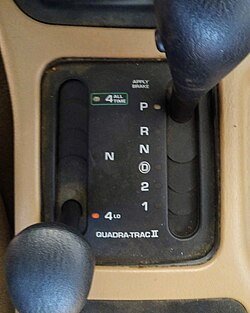
| Quadra-Trac II | Active transfer case, low range, advanced sensors | Grand Cherokee, Wrangler |
| Quadra-Drive II | Electronic limited-slip, lockable differentials | Grand Cherokee, some Wrangler trims |
Quadra-Trac I is basic and automatic, while Quadra-Trac II adds more control for off-roading. Quadra-Drive II is the top system, with extra technology for extreme conditions.

Quadra-trac Vs Other Jeep 4wd Systems
Jeep Offers Several 4wd Systems. How Does Quadra-trac Compare?
| Feature | Quadra-Trac II | Command-Trac | Selec-Trac |
|---|---|---|---|
| Type | Full-time 4WD | Part-time 4WD | Selectable 4WD |
| Low Range | Yes | Yes | Yes |
| Automatic Power Transfer | Yes | No | Yes |
| Manual Switching | No | Yes | Yes |
Quadra-Trac II stands out because it’s always on and adapts automatically. Other systems like Command-Trac need you to shift manually, which can be tricky for beginners.
Benefits Of Quadra-trac
Quadra-Trac offers several advantages for Jeep owners:
- Easy driving: You don’t have to think about changing modes. The system does the work.
- Better traction: It reacts quickly to slippery surfaces, sending power where it’s needed.
- Safer on all roads: From highways to muddy trails, Quadra-Trac keeps you stable.
- Less wear and tear: Since the system is automatic, there’s less risk of damaging parts by using the wrong mode.
A non-obvious insight: Quadra-Trac can help even on dry roads, especially during sudden turns or emergency stops. It’s not just for off-roading.
Common Quadra-trac Problems
No system is perfect. Quadra-Trac can have issues, especially as Jeeps get older:
- Transfer case leaks: Over time, seals may wear out and leak fluid.
- Sensor failures: The automatic part depends on sensors, which can stop working.
- Noise during turns: Some drivers report grinding or clunking sounds.
Regular maintenance is key. Changing transfer case fluid every 30,000 miles is recommended.
Ignoring small issues can lead to expensive repairs.
Real-world Example
Imagine you’re driving a Jeep Grand Cherokee with Quadra-Trac II during a snowstorm. As you turn onto an icy street, the system senses slipping and instantly shifts power to the wheels with grip. You stay in control, while other cars struggle. In heavy rain, Quadra-Trac also helps you avoid hydroplaning by balancing power.
Another example is off-roading. When climbing a rocky hill, Quadra-Trac sends extra power to the wheels touching the ground, helping you move forward without spinning.
Quadra-trac In Different Jeep Models
Not every Jeep has Quadra-Trac. Here’s where you’ll find it:
- Grand Cherokee: Most mid and top trims offer Quadra-Trac II or Quadra-Drive II.
- Wrangler: Some trims use Quadra-Trac II for better off-road performance.
- Commander: Older models often have Quadra-Trac I.
It’s rare in entry-level models, so check the trim before buying.
Key Data And Statistics
- Quadra-Trac II can shift up to 100% of torque to either axle.
- Jeep drivers report up to 25% fewer accidents in snow with Quadra-Trac (internal Jeep study).
- Average cost for transfer case repair: $900-$1,400 if not maintained.
Quadra-trac Maintenance Tips
To keep Quadra-Trac working smoothly:
- Check fluid regularly: Low fluid causes overheating.
- Listen for odd noises: Catch problems early.
- Don’t ignore warning lights: Sensors signal issues.
- Service transfer case on schedule: Prevents expensive breakdowns.
Owners often miss that Quadra-Trac needs special transfer case fluid not regular gear oil. Using the wrong fluid is a common mistake.
Frequently Asked Questions
What Is Quadra-trac?
Quadra-Trac is a full-time four-wheel drive system used in Jeep vehicles. It automatically sends power to the wheels that have the most grip, making driving safer and easier.
Which Jeep Models Have Quadra-trac?
You’ll find Quadra-Trac in the Grand Cherokee, some Wrangler trims, and the Commander. Usually, it’s available in mid-level and higher models.
Is Quadra-trac Good For Off-roading?
Yes, Quadra-Trac is excellent for off-roading. It adapts to changing surfaces and helps you climb hills, drive through mud, and handle rocky paths without manual input.
How Do I Maintain Quadra-trac?
Regular maintenance includes checking transfer case fluid, listening for strange noises, and following your Jeep’s service schedule. Always use the correct fluid type.
What’s The Difference Between Quadra-trac And Quadra-drive?
Quadra-Trac is full-time 4WD with automatic power transfer. Quadra-Drive adds electronic limited-slip differentials for even better traction in extreme conditions.
Quadra-Trac is one reason Jeep is famous for all-weather and off-road performance. If you want a system that’s easy to use and helps you stay safe, it’s a smart choice. For more technical details and history, see the official Jeep page at Jeep 4×4 Systems.