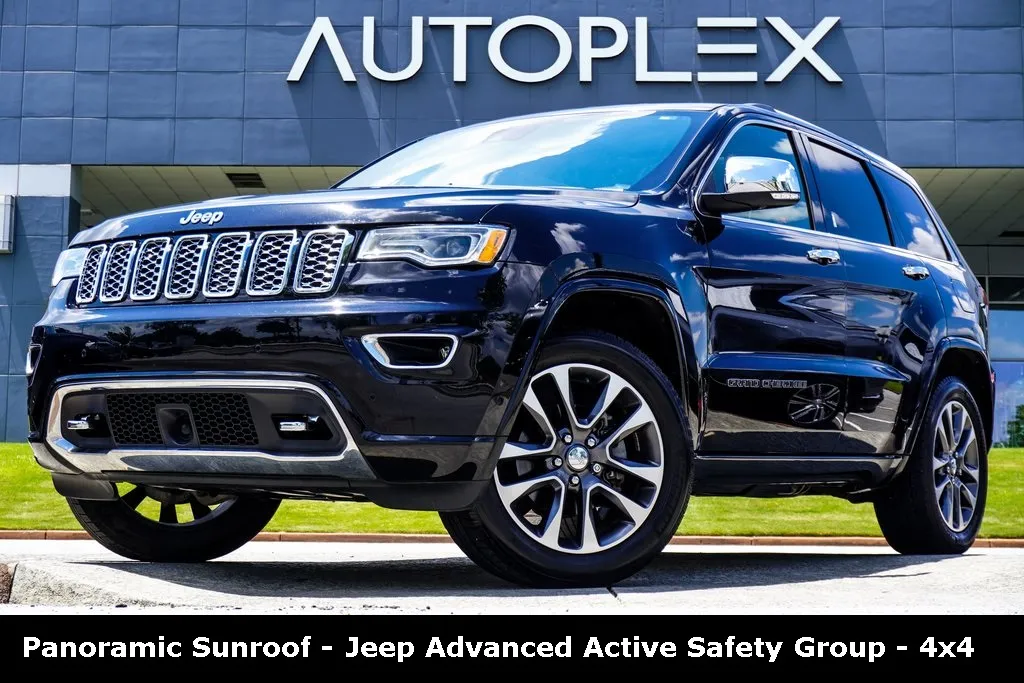
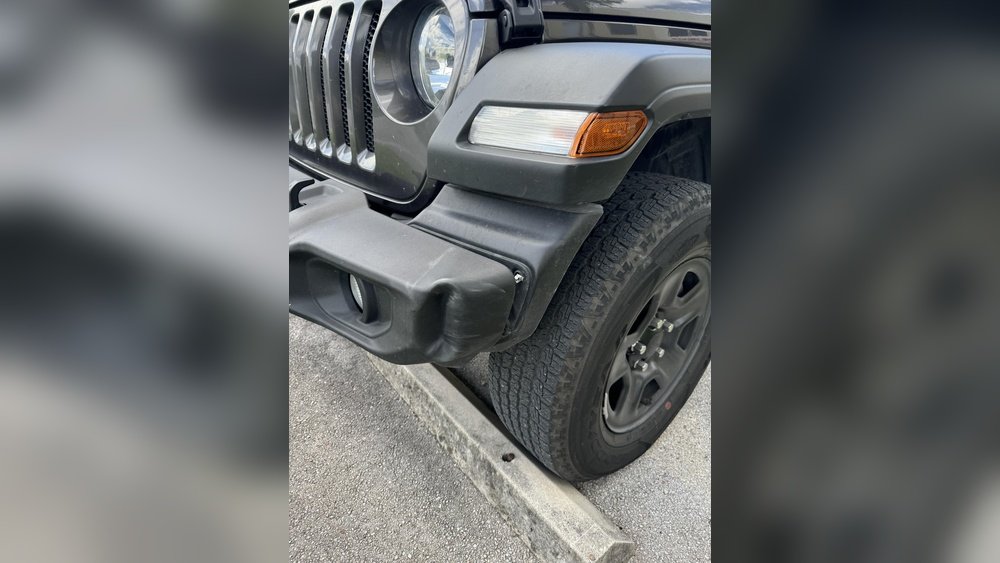
When you see a modern Jeep driving down the road, you might notice more than just its iconic look and off-road stance. Today’s Jeeps are not only built for adventure but also loaded with advanced safety features.
One of the most talked-about options is the Jeep Active Safety Group. This package isn’t just a buzzword—it’s a collection of technologies designed to keep drivers and passengers safer in everyday traffic and on tough terrain.
Whether you’re considering buying a new Jeep or just want to understand what this option means, knowing the details can help you make a smarter decision. Let’s break down what the Jeep Active Safety Group is, how it works, and what makes it stand out.

What Is The Jeep Active Safety Group?
The Jeep Active Safety Group is a bundle of advanced driver-assistance features. It’s available on many Jeep models as an optional package. The main goal is to help the driver avoid accidents, react faster, and reduce the severity of crashes if they happen.
These features use sensors, cameras, and radar to monitor what’s happening around the vehicle. When the system detects a potential problem, it warns the driver or even takes action automatically.
This group is especially popular on Jeep Grand Cherokee, Wrangler, and Compass models.
Key Features Included
Here are some of the core features you’ll find in the Jeep Active Safety Group:
- Blind Spot Monitoring – Alerts you if a vehicle is in your blind spot when changing lanes.
- Rear Cross Path Detection – Warns you of cars crossing behind you when reversing.
- Adaptive Cruise Control – Maintains a set distance from the car in front, adjusting speed automatically.
- Forward Collision Warning with Active Braking – Warns and applies brakes if a collision is likely.
- Automatic High-Beam Headlamps – Switches between high and low beams based on traffic.
- ParkSense Rear Park Assist – Uses sensors to help you park by warning of objects behind your car.
- Advanced Brake Assist – Provides extra braking force in emergencies.
Not every Jeep model comes with all these features in the package. Availability can depend on trim level and year.
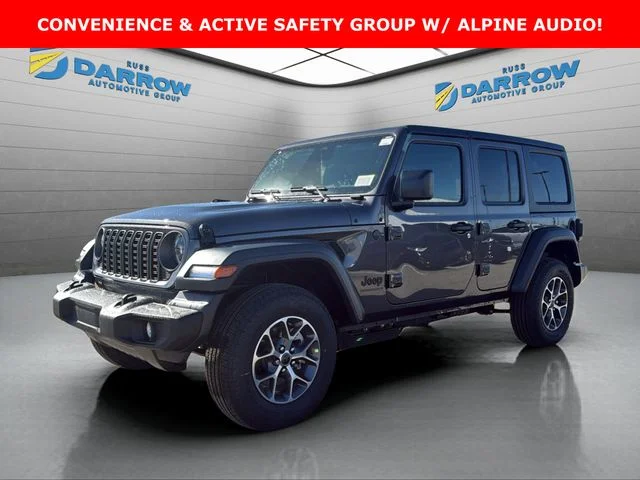
How These Features Improve Safety
The real value of the Jeep Active Safety Group lies in how these technologies work together. Here’s a closer look:
- Blind Spot Monitoring helps prevent side collisions, especially at highway speeds.
- Rear Cross Path Detection is useful in parking lots, where visibility is low.
- Adaptive Cruise Control reduces driver fatigue on long trips and heavy traffic.
- Forward Collision Warning can cut down reaction time by up to 1.5 seconds, which is critical at higher speeds.
- Automatic High-Beams improve nighttime visibility without blinding other drivers.
Many accidents happen due to human error, distractions, or slow reaction. These features act as an extra set of eyes and even take action if the driver doesn’t react quickly enough.
Which Jeep Models Offer The Active Safety Group?
The package is not standard on every Jeep, but it is common on mid-level and higher trims of the following models:
| Model | Availability | Typical Cost (USD) |
|---|---|---|
| Wrangler | Optional (Sport S & Up) | $995–$1,295 |
| Grand Cherokee | Optional (Most Trims) | $795–$1,295 |
| Compass | Optional (Latitude & Up) | $945–$1,195 |
| Renegade | Optional (Select Trims) | $595–$1,095 |
Some special editions or higher trims may have these features included as standard. Always check the latest brochure or with a dealer, as package contents and availability can change yearly.
Jeep Active Safety Group Vs. Other Safety Packages
Jeep offers more than one safety bundle. The Active Safety Group is focused on active, always-alert features. There’s also a Safety Group, which may include slightly different or fewer features.
Here’s a quick side-by-side look:
| Feature | Active Safety Group | Safety Group |
|---|---|---|
| Blind Spot Monitoring | Yes | Yes |
| Adaptive Cruise Control | Yes | No |
| Forward Collision Warning | Yes | Yes (sometimes) |
| Automatic High-Beams | Yes | No |
| Park Assist | Yes | Yes |
This makes the Active Safety Group a better choice for those who want the most advanced automatic features.
Real-world Benefits
Having these features can make a real difference. According to the Insurance Institute for Highway Safety, vehicles with automatic emergency braking see about 50% fewer rear-end crashes. Blind spot monitoring reduces lane-change crashes by over 14%.
For Jeep owners, these benefits are even greater. Jeeps are often driven off-road or in challenging conditions. Features like ParkSense and adaptive cruise add safety both on and off the highway. Many drivers find that after using these features, they don’t want to go back to a vehicle without them.
A non-obvious insight: These systems are not only for city driving. Adaptive cruise control can help when driving on rough trails at low speeds, keeping a safe distance from other vehicles in your group. Another tip: Learn how to adjust the sensitivity of these features in your Jeep’s settings menu—many owners don’t realize this is possible.
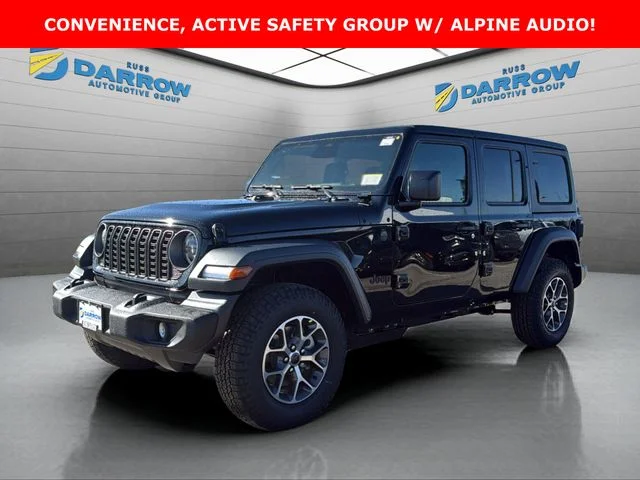
Common Misunderstandings
1. “the Car Drives Itself.”
No, these are driver-assist features. The driver must stay alert and ready to take control at all times.
2. “it’s Only For City Driving.”
Many features, like adaptive cruise and ParkSense, are just as useful on the trail or in rural areas.
3. “all Jeeps Have It.”
It’s not standard on every model or trim. Always check before buying.
Is It Worth The Cost?
The price of the Jeep Active Safety Group ranges from about $600 to $1,300 depending on the model and trim. While it’s an extra cost, the value is in preventing accidents—which can cost much more in repairs, higher insurance, or injury.
If you plan to keep your Jeep for several years, these features can also boost resale value. More used car buyers are looking for vehicles with advanced safety tech.