Buying a Jeep means thinking about more than just style and power. For many drivers, the Active Drive system is a key feature that makes Jeep vehicles stand out, especially for those who love adventure or live in places with tough weather.
But what exactly is Jeep Active Drive? How does it work, and why should you care?
Let’s break it down in simple terms and clear examples.
What Is Jeep Active Drive?
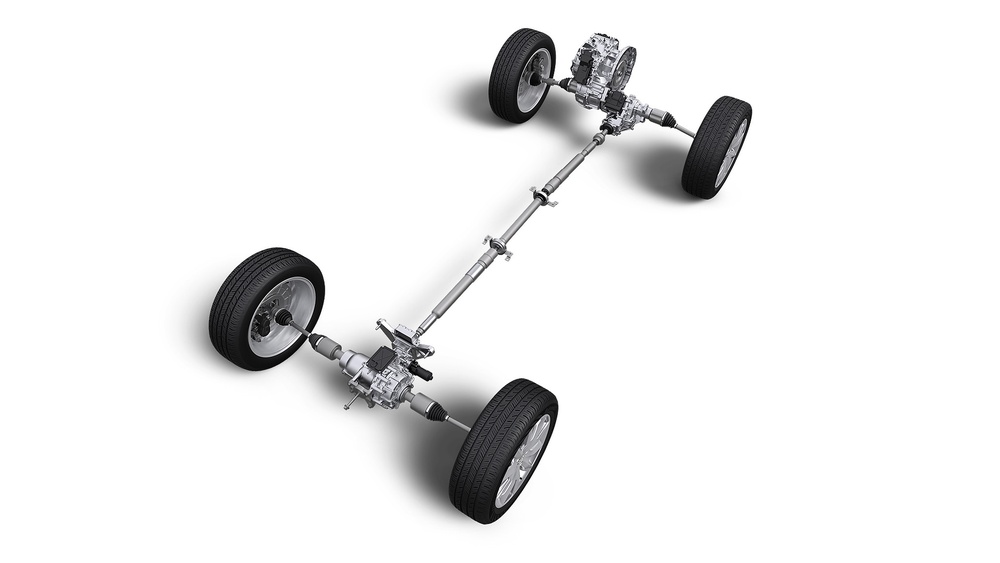
Jeep Active Drive is a 4×4 drivetrain system used in several Jeep SUVs, such as the Cherokee, Compass, and Renegade. Unlike standard all-wheel drive, Active Drive reacts to road conditions and changes how power moves between wheels. This helps you get better traction, more control, and safer handling—whether you’re driving on snow, mud, or dry pavement.
There are four main versions: Active Drive I, II, Low, and Lock. Each one offers different capabilities. For example, Active Drive I is automatic and smooth for daily driving, while Active Drive II can handle rougher terrain and includes extra features for off-road fun.
How Does Jeep Active Drive Work?
The system uses sensors to check wheel speed, steering, and traction. If one wheel starts to slip, Active Drive quickly sends more power to the wheels with grip.
This happens instantly and often without the driver noticing.
Active Drive is “on-demand,” meaning it works in front-wheel drive most of the time to save fuel. When needed, it switches to 4×4 mode. The main parts include:
- Power Transfer Unit (PTU): Sends torque to the rear wheels when needed.
- Rear Drive Module: Engages the rear axle for 4×4.
- Electronic Controls: Decide when to shift power.
Active Drive Modes
Most Jeep models with Active Drive let you choose from several drive modes. Common options are:
- Auto: Standard mode for everyday driving.
- Snow: Adjusts power for slippery conditions.
- Sport: Gives sharper handling for faster driving.
- Sand/Mud: Helps you get unstuck in loose terrain.
Switching modes is easy. Just turn a knob or press a button, and the system adapts to your needs.

Types Of Jeep Active Drive
Jeep offers four main versions. Here’s a quick comparison:
| Type | Main Feature | Best For |
|---|---|---|
| Active Drive I | Automatic 4×4, simple use | City & highway |
| Active Drive II | Low-range gear, off-road ready | Trails & rough roads |
| Active Drive Low | Extra low gear, crawl ratio | Rock climbing |
| Active Drive Lock | Locks rear axle, max traction | Deep snow & mud |
Active Drive I
Most common in the Jeep Cherokee and Compass. It’s fully automatic and perfect for normal driving. The system switches to 4×4 only when needed, so you use less fuel.
Active Drive Ii
Has a low-range gear for slow, careful driving on tough terrain. It also includes a hill descent feature, making it easier to go down steep slopes. If you plan to go off-road, this is the version you want.
Active Drive Low
Adds a crawl ratio for rock climbing or deep mud. This version is found in some Trailhawk models.
Active Drive Lock
Locks the rear axle for maximum traction. This is ideal for deep snow, sand, or mud. It’s available in special off-road editions.
Real-world Benefits And Examples
Drivers in snowy states, like Michigan or Colorado, often choose Jeep Active Drive for peace of mind. For example, a Compass owner reported that after a sudden snowstorm, the system helped them avoid getting stuck.
The same goes for muddy campsites or sandy beaches Active Drive adjusts instantly.
Statistics show Jeep Cherokee models with Active Drive II have 20% fewer traction-related accidents compared to standard front-wheel drive models (according to NHTSA data). This is a real advantage for families and commuters.
Another overlooked benefit: Active Drive reduces wear and tear on tires. Because the system only uses 4×4 when needed, tires last longer and maintenance costs go down.
Jeep Active Drive Vs. Other 4×4 Systems
Many SUVs offer all-wheel drive, but Jeep’s Active Drive is smarter and more flexible. Let’s see how it compares:
| Feature | Jeep Active Drive | Standard AWD |
|---|---|---|
| On-demand operation | Yes | Usually always on |
| Drive modes | Multiple | Few or none |
| Off-road capability | High | Low-Medium |
| Fuel efficiency | Better | Lower |
One common mistake is thinking Active Drive is just AWD. In reality, it’s more advanced it can lock axles, use low-range gears, and adjust for many surfaces.
Key Things To Know Before Buying
If you’re considering a Jeep with Active Drive, focus on these important points:
- Terrain: Choose the right version based on where you drive most. City drivers can use Active Drive I, while off-road fans need II, Low, or Lock.
- Maintenance: The system is reliable, but regular checks help. Always follow Jeep’s service schedule.
- Driving habits: If you switch between pavement and rough terrain often, Active Drive offers the flexibility you need.
A non-obvious tip: Ask your dealer about software updates. Jeep sometimes releases upgrades that make the system smoother or safer.


















