The Jeep 2. 4 Multiair engine is a modern powerplant found in several Jeep vehicles.
It stands out for its balance between performance and fuel efficiency, making it a smart choice for drivers who want more than basic transportation. But what exactly sets this engine apart?
Let’s dive into all 24 key features and details that define the Jeep 2. 4 Multiair engine, so you can understand what makes it special.
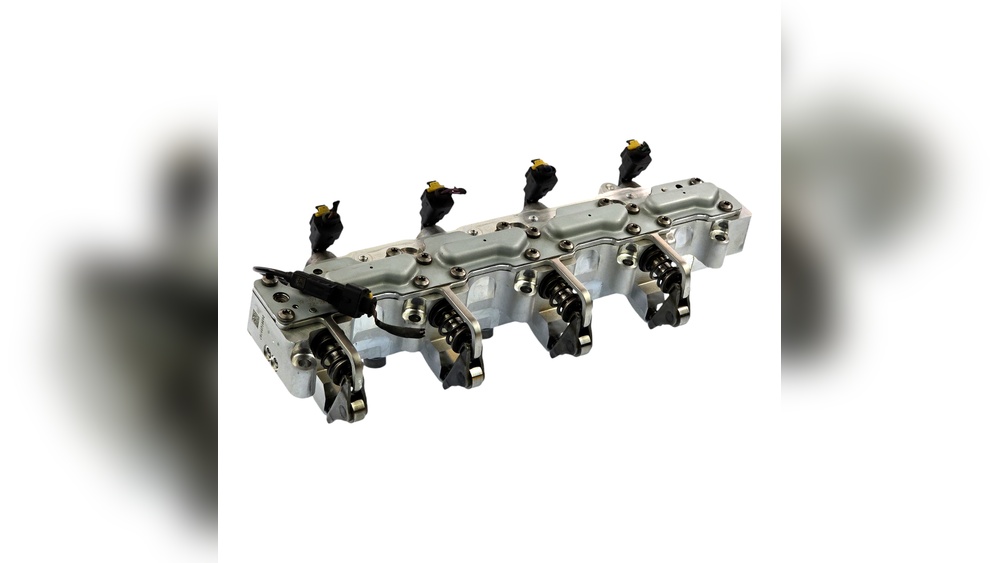
What Is The Jeep 2.4 Multiair Engine?
The 2.4 Multiair engine is a four-cylinder gasoline engine developed by Fiat Chrysler Automobiles (FCA). It uses innovative Multiair technology, which allows for precise control of the intake valves. This improves power output and efficiency while reducing emissions. The engine is commonly found in Jeep models like the Jeep Compass and Jeep Renegade.
24 Key Features Of The Jeep 2.4 Multiair Engine
Let’s explore each feature individually, so you get a clear picture of what this engine offers.
1. Engine Displacement
The engine has a 2.4-liter displacement, which means it offers a good balance between size and power.
2. Four-cylinder Layout
This engine uses a 4-cylinder setup, making it lighter and more efficient than larger engines.
3. Multiair Technology
The Multiair system allows for variable control of intake valves, improving performance and efficiency.
4. Aluminum Engine Block
The engine block is made from aluminum, which helps reduce overall vehicle weight.
5. Dual Overhead Camshafts (dohc)
The DOHC design improves airflow and allows for better engine breathing.
6. Direct Fuel Injection
Direct injection helps the engine deliver fuel more precisely, improving power and lowering emissions.
7. Max Power Output
This engine produces up to 180 horsepower, which is strong for a 2.4-liter four-cylinder.
8. Torque Rating
The engine delivers around 175 lb-ft of torque, giving solid pulling power for daily driving.
9. Compression Ratio
A 10.0:1 compression ratio helps improve fuel efficiency without sacrificing performance.
10. Lightweight Design
The use of lightweight materials means better fuel economy and handling.
11. Low Emissions
Thanks to Multiair, this engine meets strict emissions standards in the US and Europe.
12. Variable Valve Timing
Variable valve timing adjusts engine operation for more power or efficiency as needed.
13. Fuel Economy
In most Jeep models, the 2.4 Multiair returns 22–32 miles per gallon depending on driving conditions.
14. Engine Cooling System
A modern cooling system helps prevent overheating, even in tough conditions.
15. Electronic Throttle Control
The engine uses electronic throttle control for smoother acceleration.
16. Timing Chain
A timing chain (not a belt) means less maintenance and greater durability.
17. Start-stop Technology
Many models feature start-stop for better fuel economy in city driving.
18. Engine Management System
The engine computer optimizes performance, emissions, and reliability.
19. Oil Change Interval
Recommended oil changes are every 7,500–10,000 miles, depending on conditions.
20. Compatible With Regular Fuel
You don’t need premium gas; regular gasoline is fine for this engine.
21. Turbo-free Design
The engine is naturally aspirated (no turbo), which means simpler maintenance.
22. Good For Awd Systems
It pairs well with all-wheel drive setups in Jeep vehicles.
23. Low Maintenance Costs
Routine care is affordable compared to turbocharged or larger engines.
24. Proven Reliability
The engine has a strong reliability record in real-world Jeep applications.
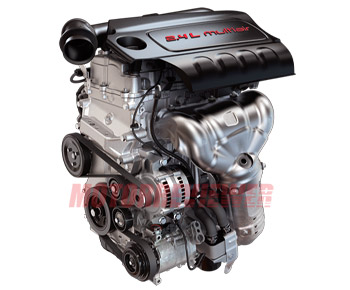
Data And Performance Comparison
Here’s how the Jeep 2.4 Multiair compares to other Jeep engines:
| Engine | Horsepower | Torque (lb-ft) | Fuel Economy (mpg) |
|---|---|---|---|
| 2.4 Multiair | 180 | 175 | 22–32 |
| 1.3 Turbo | 177 | 210 | 24–31 |
| 3.2 V6 | 271 | 239 | 18–27 |
Real-world Usage
The 2.4 Multiair engine is often used in the Jeep Compass, Jeep Renegade, and some Jeep Cherokee models. It’s popular because it offers enough power for city and highway driving, plus good fuel economy. Owners often report that it’s quiet, smooth, and reliable.

Maintenance And Ownership Tips
To get the most from your 2.4 Multiair engine:
- Use recommended engine oil and change it regularly.
- Check the coolant level, especially before long trips.
- Avoid aggressive driving to extend engine life.
- Pay attention to the check engine light and address issues quickly.
Common Mistakes
Many owners overlook these points:
- Using the wrong oil type can cause engine damage.
- Delaying oil changes reduces reliability.
- Ignoring coolant checks may lead to overheating.
Comparing Multiair To Other Technologies
Multiair is unique because it offers variable valve control without complex mechanical systems. Compared to traditional engines, it’s more efficient and cleaner. Here’s a quick look:
| Technology | Power Control | Fuel Efficiency | Maintenance |
|---|---|---|---|
| Multiair | High | High | Low |
| Traditional DOHC | Medium | Medium | Medium |
| Turbocharged | High | Medium | High |
Practical Insights
Many beginners miss that the timing chain rarely needs replacement, unlike timing belts in other engines. Also, the Multiair system’s electronic control means you should avoid low-quality fuel and keep electrical components in good condition for best performance.
Another insight: the engine’s start-stop feature saves fuel but may feel different at first. It’s normal for the engine to shut off at stops and restart smoothly.