The Jeep Grand Cherokee is a well-known SUV with a reputation for power and comfort. Over the years, Jeep has added new technologies and fuel options.
One of these is the Flex Fuel engine. Many buyers see “Flex Fuel” on Grand Cherokee listings, but what does it actually mean?
Understanding this feature can help you decide if a Flex Fuel Grand Cherokee is right for your driving needs and budget.
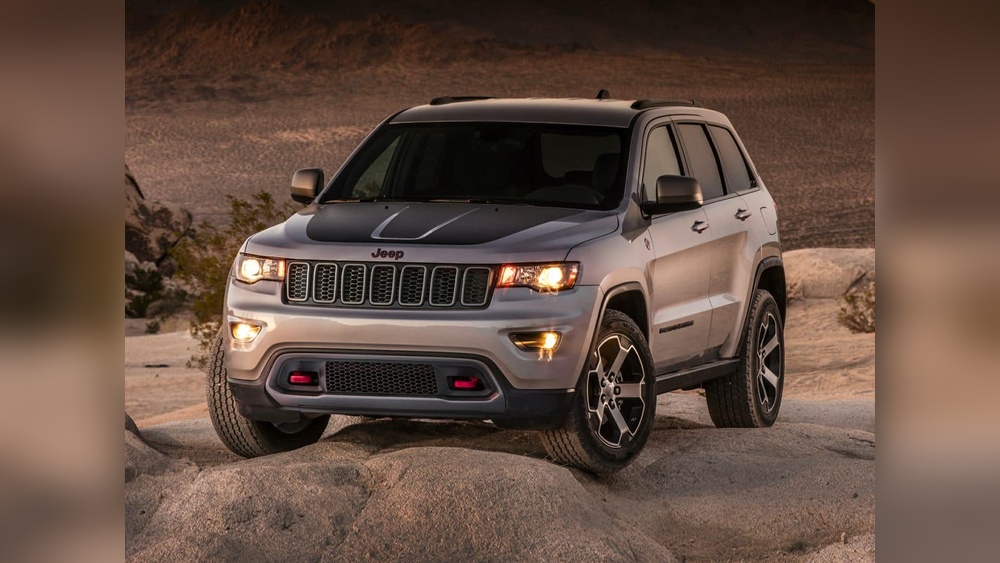
What Is Flex Fuel?
A Flex Fuel vehicle can use more than one type of fuel. Most common is the ability to run on either regular gasoline or E85 ethanol. E85 is a blend of up to 85% ethanol and 15% gasoline. Ethanol comes from plants like corn, making it a renewable resource.
Flex Fuel engines have special sensors and fuel system parts. These let the engine adjust automatically to the fuel blend in the tank.
You can fill up with gasoline, E85, or a mix of both—no manual settings needed.
How Does Flex Fuel Work In The Jeep Grand Cherokee?
Not every Grand Cherokee is Flex Fuel. Jeep began offering Flex Fuel engines in some models, especially those with the 3.6L V6 and 5.7L V8. The main difference is in the fuel system. Flex Fuel models have:
- Ethanol-compatible fuel lines and seals
- Engine control module (ECM) that detects fuel type
- Fuel injectors designed for ethanol
When you fill up, the system senses the fuel blend and adjusts the air-fuel mix, ignition timing, and more. This ensures smooth driving and prevents engine damage.
Example Models And Years
Some common Grand Cherokee Flex Fuel models:
- 2011–2026 Grand Cherokee Laredo (3.6L V6)
- 2011–2020 Grand Cherokee Limited/Overland (5.7L V8)
- 2014–2026 Grand Cherokee Altitude (3.6L V6)
Always check the owner’s manual or the fuel door for a yellow E85 label to confirm if a specific Jeep is Flex Fuel.

Benefits Of A Flex Fuel Grand Cherokee
Choosing a Flex Fuel Grand Cherokee offers several advantages.
- Fuel Choice: Fill up with whatever is cheaper or available—gasoline or E85. This can be useful during price swings.
- Lower Emissions: E85 burns cleaner than gasoline, reducing some harmful gases.
- Support for Renewables: Using ethanol helps reduce reliance on fossil fuels.
- No Special Maintenance: You don’t need extra service if you switch between fuels.
Cost And Savings
E85 is often cheaper per gallon than gasoline. But, it has lower energy content, so you may get fewer miles per gallon. Here’s a simple comparison:
| Fuel Type | Average Price (per gallon) | Miles per Gallon (approx.) |
|---|---|---|
| Regular Gasoline | $3.50 | 22 mpg |
| E85 Ethanol | $2.70 | 16 mpg |
Depending on local prices, the savings may balance out. Some drivers mix fuels to get the best of both worlds.
Drawbacks To Consider
While Flex Fuel sounds appealing, there are some downsides.
- Lower Fuel Economy: E85 gives fewer miles per gallon, so you may need to fill up more often.
- Limited E85 Stations: Not all areas have E85 pumps. Rural or small towns may have none.
- Slightly Higher Engine Wear: Ethanol can attract water, which may cause extra wear over many years.
- Resale Value: Some buyers don’t care about Flex Fuel, so it may not boost resale price.

Comparing Regular And Flex Fuel Jeep Grand Cherokee
Here’s a side-by-side look at regular vs. Flex Fuel Grand Cherokees:
| Feature | Regular Gasoline | Flex Fuel (E85/Gasoline) |
|---|---|---|
| Fuel Options | Gasoline only | Gasoline or E85 |
| Fuel Economy | Higher | Lower (on E85) |
| Emissions | Standard | Lower with E85 |
| Availability | Everywhere | Less common for E85 |
| Engine Parts | Standard | Ethanol-resistant |
Is Flex Fuel Worth It For You?
Choosing a Flex Fuel Jeep Grand Cherokee depends on your location, driving habits, and goals.
Flex Fuel is a smart choice if:
- You live near E85 stations.
- You want to support renewable energy.
- You like having fuel options.
It may not be worth it if:
- E85 is hard to find in your area.
- You drive long distances and need the best fuel economy.
- You don’t want to track different fuel prices.
An insight many buyers miss: Flex Fuel engines can help during gas shortages. If regular gas is sold out, E85 may still be available, giving you an advantage.
Another tip: If you plan to tow heavy loads, check the towing capacity for E85 use. Sometimes it’s slightly lower compared to gasoline.
Real-world Owner Experiences
Many Jeep Grand Cherokee owners appreciate the flexibility, especially in the Midwest or South where E85 is common. Some drivers notice a small drop in power with E85, but most say it’s not a big issue for daily use.
One owner shared: “I use E85 when it’s 60 cents cheaper than gas. My mpg drops, but overall costs are about the same. It’s nice to have the choice.”
Still, owners warn that cold weather can make E85 harder to start. Gasoline works better in winter, so switching fuels seasonally can be smart.
Frequently Asked Questions