Jeep vehicles are known for their rugged build and versatile driving modes. If you own a modern Jeep, you may have noticed a feature called E Save on the dashboard or in your owner’s manual.
This mode is part of Jeep’s plug-in hybrid technology, but many drivers are unsure about how it works and when to use it. Understanding E Save can help you get the most out of your Jeep’s performance, especially if you are new to plug-in hybrids.
What Is E Save On Jeep?
E Save is a driving mode available on Jeep plug-in hybrid models, such as the Jeep Wrangler 4xe and Jeep Grand Cherokee 4xe. This feature is designed to help you manage your vehicle’s battery and fuel usage more efficiently. When you activate E Save, the Jeep prioritizes the use of its gasoline engine and preserves the electric battery for later.
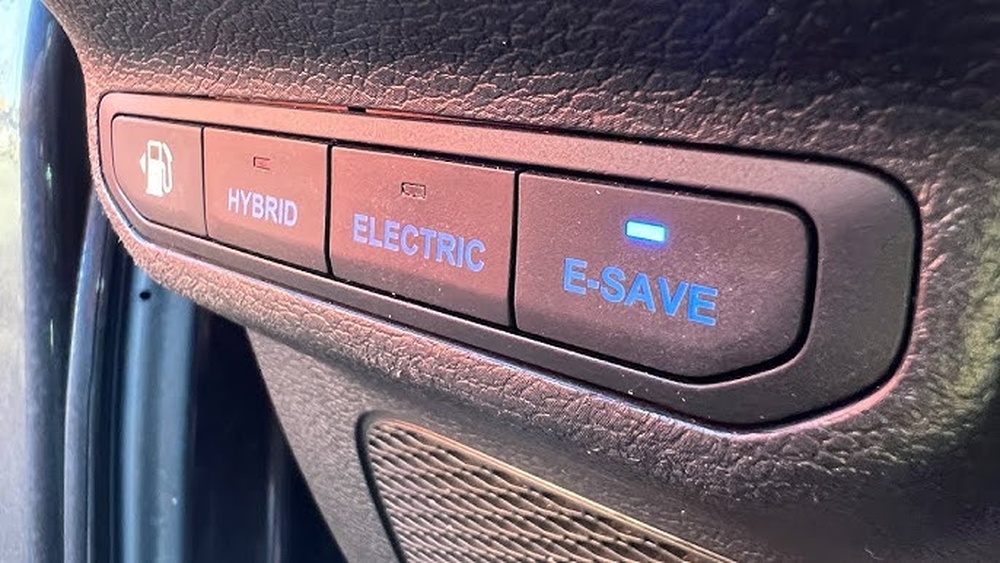
In simple terms, E Save allows you to save battery power for situations where electric driving is more useful—like city driving or areas with strict emissions regulations.
How Does E Save Work?
Jeep’s plug-in hybrids come with three main driving modes:
- Hybrid – Uses both electric and gasoline power.
- Electric – Runs only on battery, with zero tailpipe emissions.
- E Save – Uses gasoline and reserves battery power.
When you select E Save, your Jeep will:
- Switch to gasoline engine power
- Limit battery use for driving
- Allow the battery to recharge through engine power or regenerative braking
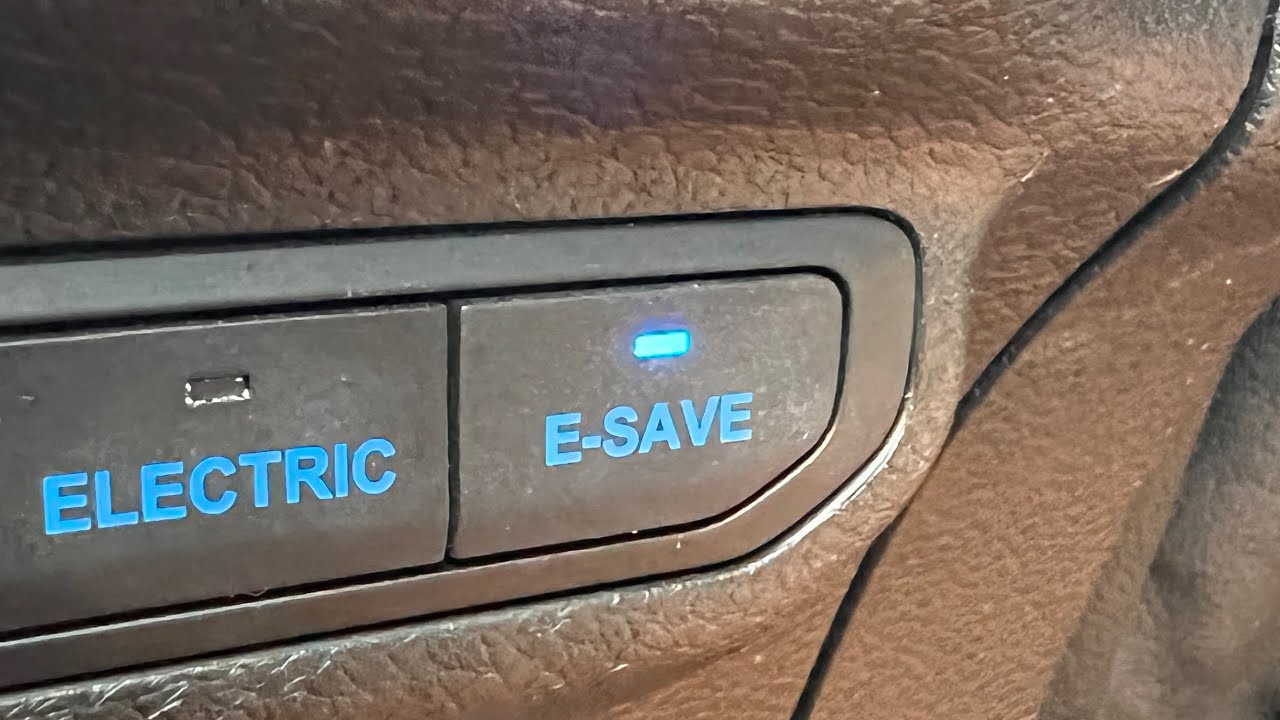
You can choose E Save through the vehicle’s touchscreen or drive mode selector. This mode is useful when you want to keep battery charge for later, such as approaching a city with electric-only zones.
E Save Vs. Other Driving Modes
Understanding the differences between Jeep’s driving modes helps you make smarter choices on the road. Here’s a simple comparison:
| Mode | Power Source | Best Use Case |
|---|---|---|
| Hybrid | Battery + Gasoline | Everyday driving, mixed routes |
| Electric | Battery only | Short city trips, low emissions |
| E Save | Gasoline only (saves battery) | Highway, saving battery for later |
Most drivers use Hybrid mode by default. But E Save gives you control over when to use the battery, which is important for planning long trips or following local regulations.
Benefits Of Using E Save
Activating E Save in your Jeep comes with several advantages:
- Battery conservation: Keeps your battery charged for later use.
- Flexible driving: Useful in areas where electric driving is required.
- Optimized fuel efficiency: Helps you get the best mileage based on your route.
It can also help extend the life of your battery, as you avoid draining it in less ideal situations. For example, using E Save during highway driving (where battery use is less efficient) and switching to Electric mode in traffic-heavy city areas makes the most sense.
How To Activate E Save Mode
Switching to E Save mode is straightforward. Here’s how you do it:
- Start your Jeep and check the touchscreen or drive mode buttons.
- Select the E Save option from the menu.
- Confirm the mode change—your dashboard will display E Save as active.
Some models allow you to customize E Save. You can choose whether the gasoline engine just saves battery or actively recharges it while driving.
E Save Mode: Real-world Example
Imagine you’re taking a road trip. You start on the highway, where gasoline power is more efficient. Activating E Save preserves your battery. When you reach a city with electric-only zones, you switch to Electric mode and use your saved battery power. This strategy gives you the best performance and meets local requirements.

E Save: Common Misconceptions
Many drivers think E Save is only for emergencies or that it wastes fuel. In reality, it’s a smart tool for planning your drive. Here are some facts:
- E Save does not harm your battery.
- It can help recharge your battery if your Jeep supports it.
- Using E Save on the highway is more efficient than using battery power.
Another non-obvious point: E Save is useful if you know you will drive in areas with charging restrictions or limited charging stations. Saving battery now means you won’t run out of electric power later.
Data: Fuel Economy Impact
Jeep 4xe owners report that using E Save can slightly reduce fuel economy compared to Hybrid mode, because the gasoline engine is running more. However, this trade-off is worth it if you need battery power later. Here’s a quick data comparison:
| Mode | Estimated MPG | Battery Usage |
|---|---|---|
| Hybrid | ~49 MPGe | Shared |
| Electric | ~25 miles range | Full |
| E Save | ~20-25 MPG | Minimal |
As you can see, E Save uses more fuel but saves battery power for situations where it’s needed most.
When Should You Use E Save?
E Save is best used in these scenarios:
- Long highway drives: Gasoline power is more efficient.
- Approaching city or electric-only zones: Save battery for later.
- Low battery situations: Recharge on the go (if your model allows).
- Limited charging stations: Reserve battery power for when you really need it.
If you plan your route and switch modes at the right time, you’ll get the most value from your Jeep’s hybrid system.
Practical Tips For E Save Users
- Plan ahead: Know your route and switch modes as needed.
- Monitor battery and fuel levels: Don’t let either run too low.
- Understand local laws: Some cities require electric-only driving.
- Avoid frequent mode changes: Switching too often can reduce efficiency.
A tip many beginners miss: Use E Save mode not just for saving battery, but also for charging it while driving. Some Jeep models let you choose between “Save” and “Charge” within E Save mode.


















