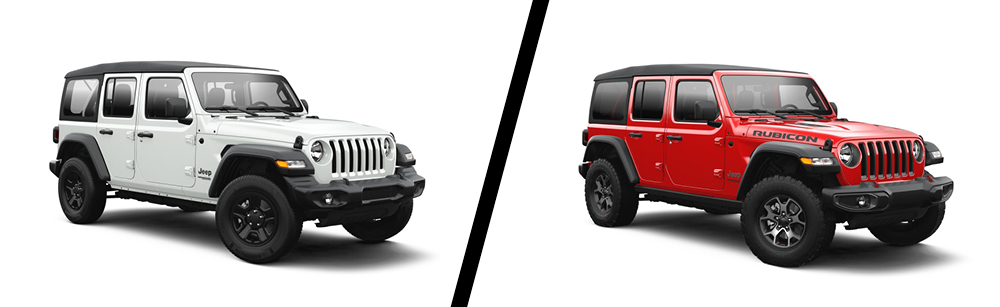
The Jeep Wrangler is one of the most recognizable SUVs in the world. But many buyers get confused when they see names like Wrangler and Rubicon.
Are they the same? What is the real difference?
If you’re thinking about buying a Jeep or just want to understand these models, this article will help you see the key distinctions clearly.
Wrangler Vs Rubicon: The Basics
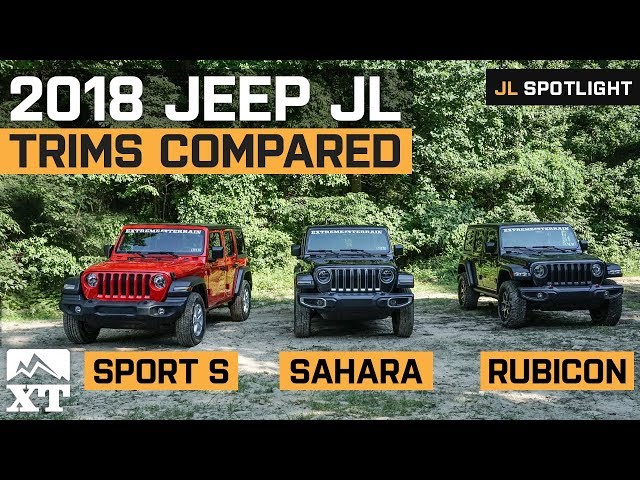
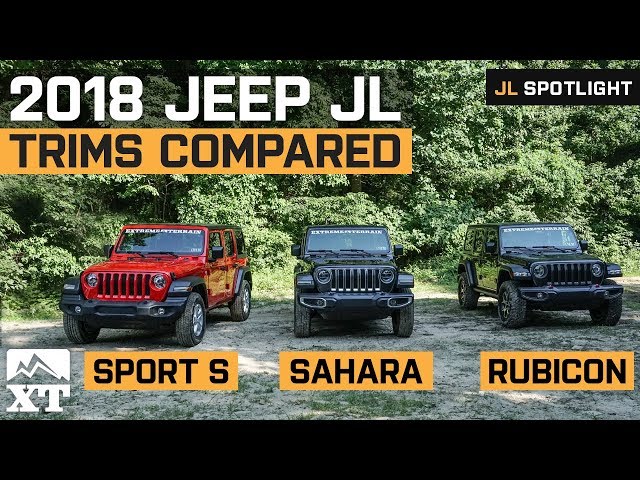
The Jeep Wrangler is the main model. It has several trim levels, such as Sport, Sahara, and Rubicon. The Rubicon is actually a specific, high-end trim of the Wrangler. So, every Rubicon is a Wrangler, but not every Wrangler is a Rubicon.
Think of Wrangler as the “family,” and Rubicon as one of the most capable “members. ”
Key Differences Explained
Off-road Ability
The biggest difference is off-road capability. The Rubicon is designed for serious off-road adventures. It comes with features that most other Wrangler trims do not have.
- Locking differentials: Rubicon has front and rear locking differentials for better control on rough terrain.
- Disconnecting sway bar: The front sway bar can be disconnected for more wheel movement.
- Rock rails and skid plates: Extra protection underneath for rocks and debris.
- Tires: Rubicon comes with larger, more aggressive off-road tires.
A standard Wrangler, such as the Sport or Sahara, is good for city driving and light trails, but it’s not as prepared for extreme conditions.
Mechanical Features
Here’s a quick comparison of the major mechanical differences:
| Feature | Wrangler (Standard) | Rubicon |
|---|---|---|
| Axles | Dana 30 / Dana 35 | Dana 44 (Heavy-Duty) |
| Locking Differentials | No | Front & Rear |
| Sway Bar Disconnect | No | Yes |
| Tire Size | 29–32 inches | 33 inches (off-road) |
Price And Value
The Rubicon is more expensive than other Wrangler trims. You pay extra for those off-road features. As of 2024, the base price for a new Wrangler starts around $33,000. The Rubicon trim starts at about $45,000.
But Rubicon buyers get more than just off-road hardware. There are also extra comfort and tech features.
Appearance
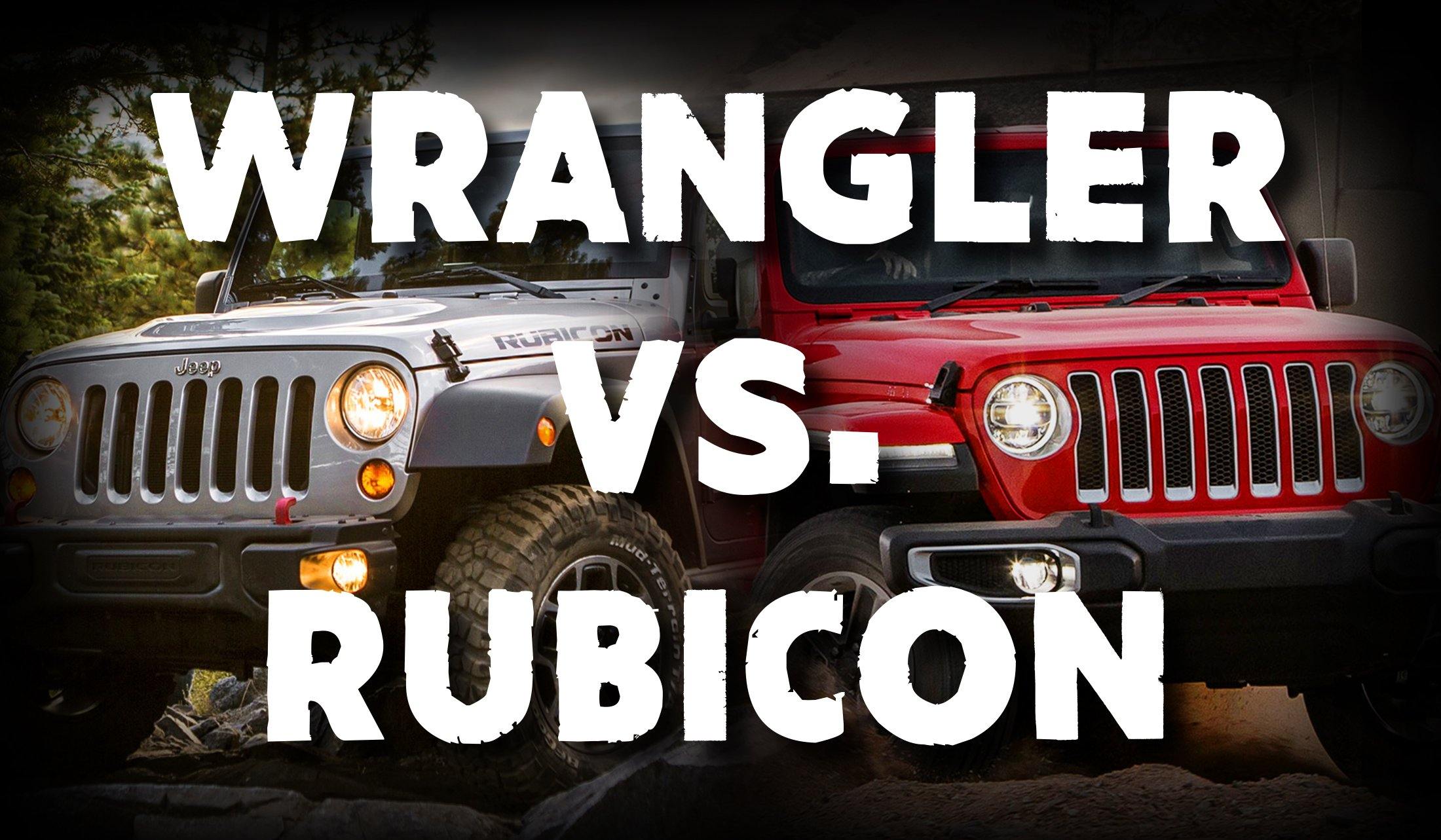
Rubicon models are easy to spot. They have special Rubicon badges on the hood and unique colors. The fenders are often wider, and the ride height is taller. Inside, Rubicon usually offers more premium materials, such as red stitching and special seats.
Everyday Use
If you mostly drive in the city or on highways, a standard Wrangler is usually a better choice. The Rubicon’s heavy tires and suspension can make the ride noisier and less smooth. Rubicon also gets lower fuel economy, averaging about 17–20 mpg compared to 20–24 mpg for standard Wranglers.
Which Should You Choose?
If you love off-roading—rock crawling, mud, or deep snow—the Rubicon is built for you. If your adventures are milder or you want a daily vehicle, other Wrangler trims will save you money and be easier to live with.
Common Buyer Mistakes
- Overestimating needs: Many buyers pay extra for Rubicon features they never use.
- Ignoring ride comfort: Rubicon’s tough suspension is not ideal for city roads.
- Not checking resale value: Rubicon holds its value well, but only among buyers who want off-road capability.
Features Comparison Table
To make things clear, here’s a side-by-side look at some key features:
| Feature | Wrangler Sport/Sahara | Rubicon |
|---|---|---|
| 4×4 System | Command-Trac | Rock-Trac |
| Skid Plates | Standard | Heavy-Duty |
| Interior Trim | Basic/Standard | Premium/Unique |
| Hill Descent Control | Optional | Standard |
| Roof Options | Hardtop/Softtop | Hardtop/Softtop |
Non-obvious Insights
- Rubicon is not always the best for towing. The extra off-road parts actually reduce towing capacity compared to some other Wrangler trims.
- Tire replacement cost: Rubicon’s large tires are more expensive to replace, and may not fit in every garage or parking spot.
Real-world Example
Imagine someone who lives in the city but likes camping once a month. The Rubicon is tempting, but a Wrangler Sahara with all-terrain tires can handle 90% of trails and still be more comfortable on highways.
Technical Specs Table
For those who like numbers, here are some technical specs:
| Specification | Wrangler | Rubicon |
|---|---|---|
| Ground Clearance | 8.3 inches | 10.8 inches |
| Approach Angle | 41.4° | 43.9° |
| Departure Angle | 35.9° | 37.0° |
| Water Fording | 30 inches | 33 inches |
Frequently Asked Questions
Is Rubicon A Separate Model From Wrangler?
No. Rubicon is a trim of the Jeep Wrangler. It’s not a separate vehicle, but a version with special features.
What Makes Rubicon So Good For Off-roading?
The Rubicon has locking differentials, a disconnecting sway bar, and heavy-duty axles. These features help it handle tough terrain that other Wranglers cannot.
Does Rubicon Cost More To Maintain?
Yes. Rubicon’s parts, such as tires and axles, are more expensive. Repairs and replacements can be higher than standard Wranglers.
Can I Upgrade A Standard Wrangler To Be Like A Rubicon?
Some upgrades are possible, like tires or skid plates. But factory Rubicon features, like locking axles, are expensive and hard to add after purchase.
Where Can I Learn More About Jeep Wrangler Trims?
For official specs and details, visit the Jeep Official Website.
When choosing between Jeep Wrangler and Rubicon, the answer depends on your needs. If you want the highest off-road performance, Rubicon is the winner. For daily driving or light adventure, other Wrangler trims offer better comfort and value. Knowing these differences helps you make a smart, confident decision.