Buying a new Jeep is exciting—nothing beats the feeling of driving off the lot in a rugged, ready-for-adventure SUV. But along with that excitement, you might wonder what kind of protection you get if something goes wrong.
This is where the Jeep factory warranty comes in. It covers specific repairs and replacements, giving you peace of mind for your first years as an owner.
Understanding what’s actually covered (and what isn’t) will help you avoid surprises and make the most of your warranty.
Core Coverage: What The Jeep Factory Warranty Includes
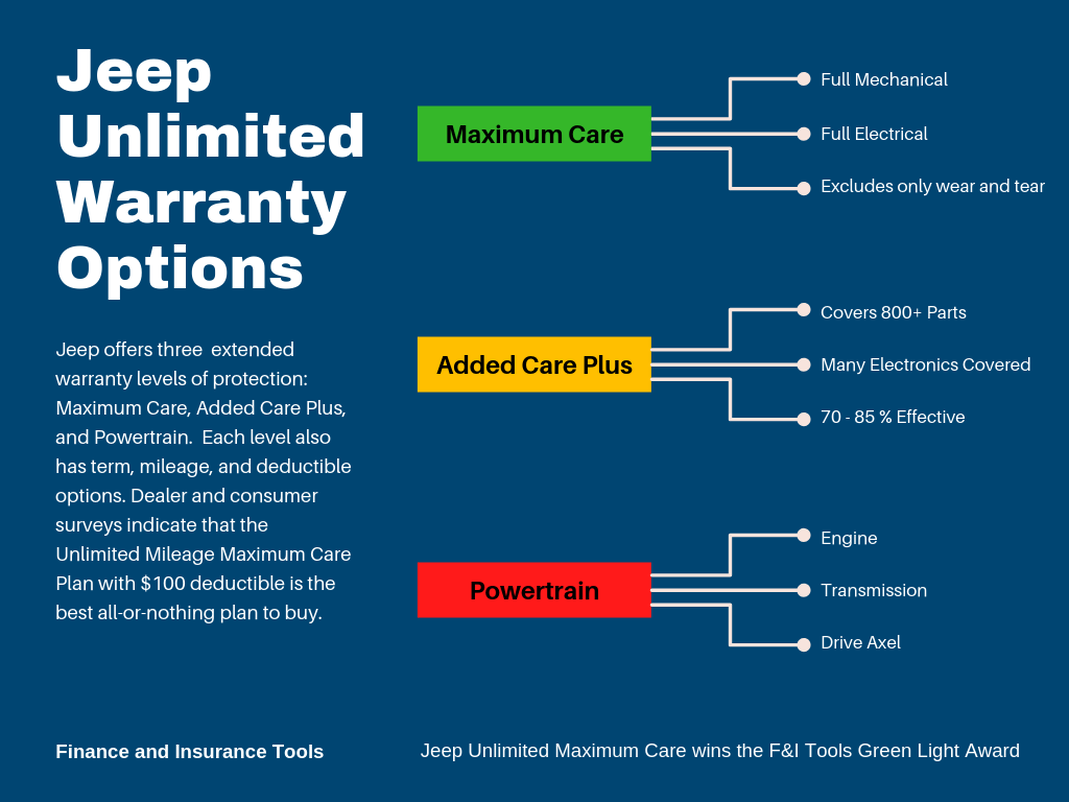
Jeep’s new vehicles come with several layers of coverage. The two main parts are the Basic Limited Warranty and the Powertrain Limited Warranty. Each covers different components and lasts for a set period.
Basic Limited Warranty (bumper-to-bumper)
This warranty, sometimes called “bumper-to-bumper,” is the main coverage for most new Jeeps.
- Duration: 3 years or 36,000 miles, whichever comes first.
- What’s covered: Most parts and systems, including electronics, air conditioning, suspension, and steering.
- What’s not covered: Wear-and-tear items like brake pads, tires, and wiper blades.
If you experience a manufacturing defect or faulty part, Jeep will repair or replace it at no cost to you unless it’s something excluded or due to regular use.
Powertrain Limited Warranty
The powertrain is what moves your Jeep the engine, transmission, and drive systems.
- Duration: 5 years or 60,000 miles, whichever comes first.
- What’s covered: Engine, transmission, drive shafts, axles, and differentials.
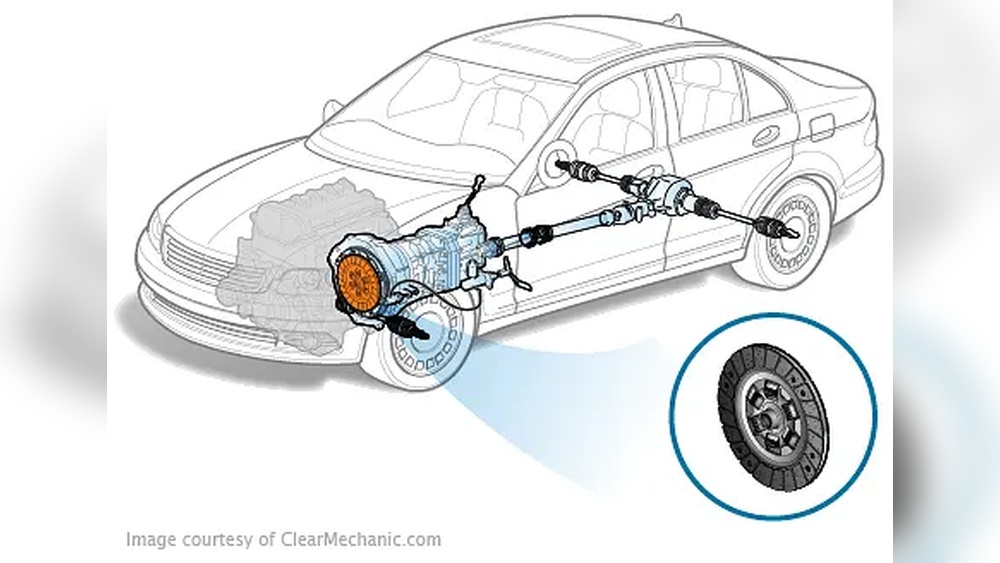
- What’s not covered: Clutch discs, certain gaskets, and regular maintenance.
If your Jeep’s engine has a defect, the powertrain warranty steps in for repairs or replacement. However, if you neglect maintenance (like oil changes), it could void your coverage.
Here’s a quick comparison:
| Warranty | Duration | Main Coverage |
|---|---|---|
| Basic Limited | 3 years / 36,000 miles | Most parts & systems |
| Powertrain Limited | 5 years / 60,000 miles | Engine, transmission, drivetrain |
Additional Protection: Rust, Roadside, And Emissions
Jeep goes further with some extra coverage types, each with its own rules.
Anti-corrosion (rust-through) Warranty
Rust can be a big worry, especially in colder or humid climates.
- Coverage: 5 years and unlimited miles for rust-through (when metal actually rusts all the way through).
- What’s covered: Sheet metal panels that rust from the inside out.
- What’s not covered: Surface rust, paint chips, or rust caused by abuse.
Roadside Assistance
Jeep wants owners to feel secure even if something unexpected happens on the road.
- Duration: 5 years or 60,000 miles (matching the powertrain warranty).
- Services: Towing to the nearest Jeep dealer, jump-starts, flat tire changes, lockout help, and gas delivery.
It’s important to note that roadside help is only for mechanical breakdowns covered by warranty. If you run out of gas or have a flat, they’ll help, but you may pay for the fuel or tire.
Emissions Warranty
Emissions systems keep your Jeep eco-friendly and legal.
- Coverage: Varies by part, but federal law requires at least 2 years/24,000 miles for most emissions parts, and up to 8 years/80,000 miles for certain critical components (like the catalytic converter).
This warranty is federally regulated, so coverage is similar to other brands.
What’s Not Covered: Common Exclusions
No warranty covers everything. Here are some things that the Jeep factory warranty does NOT cover:
- Wear-and-tear items: Brake pads, tires, wiper blades, and light bulbs.
- Regular maintenance: Oil changes, tire rotations, fluid refills, and alignment.
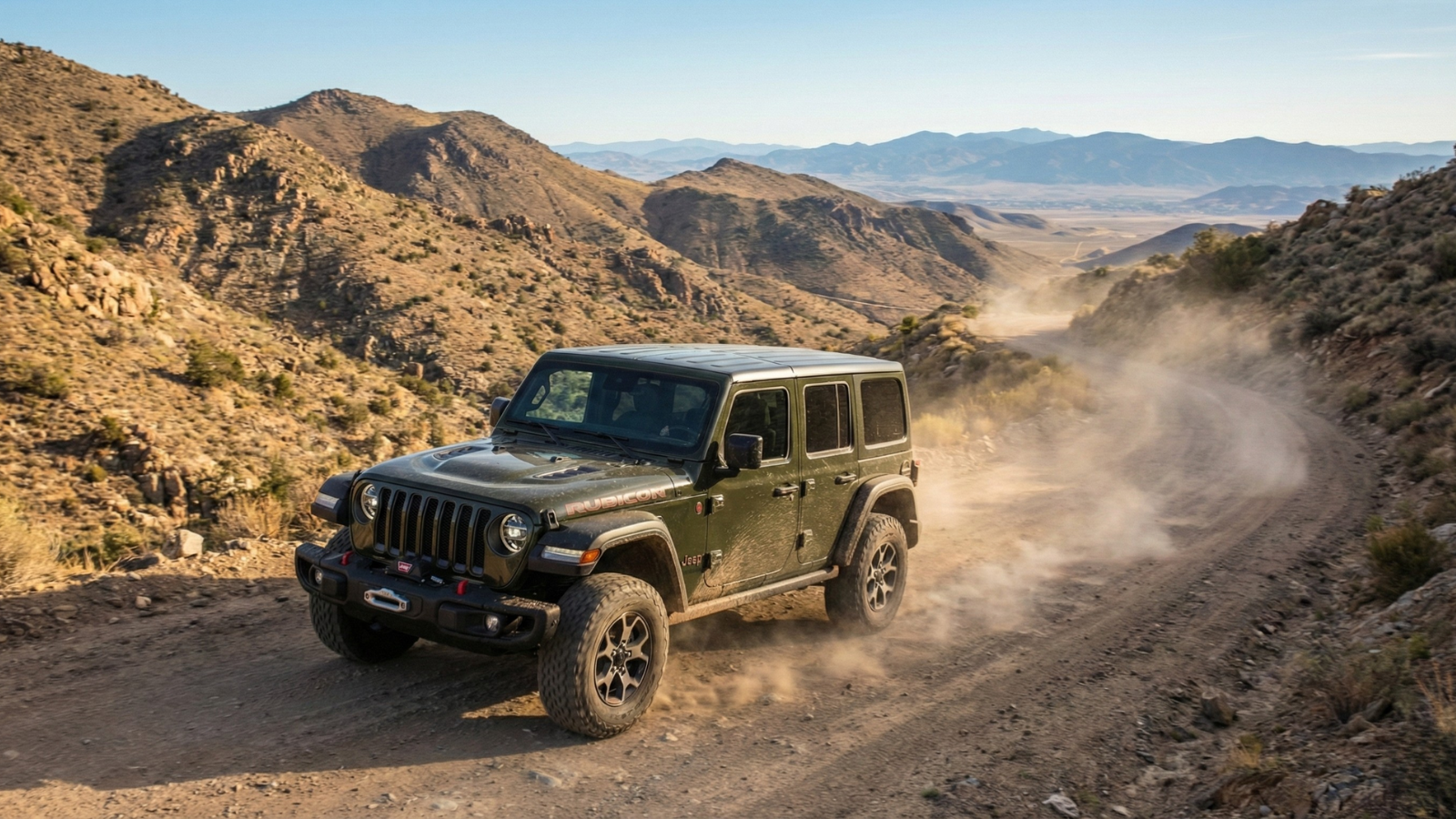
- Damage from accidents or misuse: Any damage caused by collisions, off-road abuse, or racing is not covered.
- Environmental damage: Hail, floods, tree sap, or road salt damage.
- Aftermarket parts: If you install non-Jeep parts and they cause damage, you might lose coverage for related repairs.
A common mistake is thinking the warranty covers every repair. For example, if your clutch wears out from heavy driving, it’s not covered.
But if the clutch fails due to a factory defect, it is.
Transferability And Limitations
A useful feature of the Jeep warranty is that it transfers to a new owner if you sell your vehicle before coverage expires. This can boost your Jeep’s resale value.
However, keep in mind:
- You must follow the Jeep maintenance schedule to stay covered.
- Save all service records as proof.
- Only repairs at authorized Jeep dealers are fully covered.
Here’s a summary of what you should do and avoid to keep your warranty valid:
| Do | Don’t |
|---|---|
| Follow maintenance schedule | Ignore oil changes or skip service intervals |
| Use authorized Jeep service centers | Use unapproved aftermarket parts |
| Keep records of all services | Lose or throw away service receipts |
Two Insights Most Owners Miss
- Jeep’s warranty does not cover off-road damage unless it’s due to a manufacturing defect. Even though Jeeps are made for rugged use, using your Jeep outside recommended guidelines (like rock crawling or mud bogging) can lead to denied claims.
- Paint and trim are only covered for defects, not wear. Scratches or faded paint from the sun aren’t covered. Only if there’s a clear defect in the paint job will Jeep fix it for free during the warranty.
Frequently Asked Questions
What Is The Difference Between The Basic And Powertrain Warranties?
The basic warranty covers almost all parts of your Jeep except wear items, for 3 years or 36,000 miles. The powertrain warranty protects the engine, transmission, and drivetrain for 5 years or 60,000 miles.
Does The Jeep Factory Warranty Cover Battery Replacement?
Only if the battery fails due to a defect within the first 3 years or 36,000 miles. Normal battery wear is not covered after that.
Can I Use Any Mechanic For Repairs Under Warranty?
To stay fully covered, use an authorized Jeep dealer for repairs. If you use a non-authorized shop, Jeep may deny coverage for those repairs.
Is Rust On The Surface Covered By The Jeep Warranty?
Surface rust is not covered. Only “rust-through” (when metal rusts completely through from the inside) is covered under the anti-corrosion warranty.
Is The Jeep Warranty Transferable To A New Owner?
Yes, as long as the original warranty period hasn’t expired. This can make your Jeep more attractive if you decide to sell it.
Getting the most from your Jeep factory warranty means understanding its limits and requirements. Always check your warranty booklet or ask your dealer for up-to-date details, as coverage can change slightly by model year. For official information, visit the Jeep Official Warranty Page. With the right knowledge, you’ll enjoy your Jeep with confidence, knowing exactly what’s protected.