A Jeep is known for its tough off-road ability and strong build. But behind that rugged exterior, there are many key parts working together.
One of the most important, yet often overlooked, is the tie rod. If you want your Jeep to drive safely and feel stable, understanding the tie rod is critical.
This part plays a major role in steering and handling—whether you’re on the highway or crawling over rocks. Let’s take a closer look at what a tie rod is, how it works, why it matters, and what you need to know as a Jeep owner.

What Is A Tie Rod?
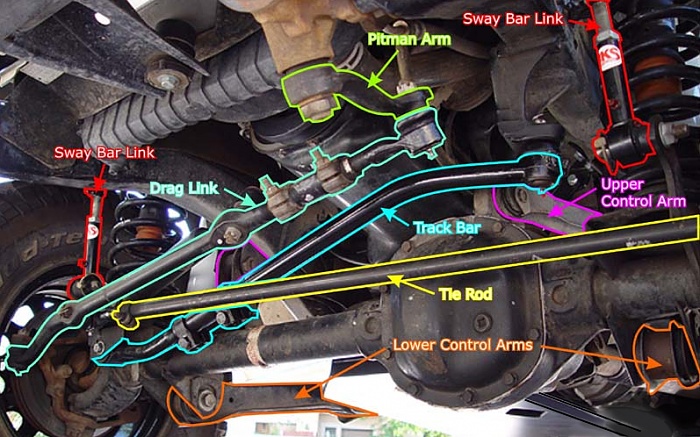
The tie rod is a vital part of your Jeep’s steering system. It connects the steering gear (or rack and pinion) to the steering knuckle on each front wheel. When you turn your steering wheel, the tie rod helps transfer that motion to the wheels, making the vehicle turn.
There are two main parts:
- Inner tie rod: Connects to the steering rack.
- Outer tie rod: Connects to the steering knuckle.
These two parts are joined together, usually with a ball joint, allowing for movement and flexibility. Tie rods are found on almost all modern Jeeps, including the Wrangler, Cherokee, and Grand Cherokee.
Basic Tie Rod Function
When you turn your steering wheel:
- The steering gear moves.
- The tie rod pushes or pulls the wheel left or right.
- The Jeep changes direction based on your input.
Without a working tie rod, steering would not be possible.
Why Tie Rods Matter For Jeeps
Jeeps are often driven in tough conditions—mud, rocks, sand, and uneven roads. The tie rod needs to withstand heavy forces and shocks. If it fails, you can lose steering control, which is dangerous on and off the road.
Common Symptoms Of Tie Rod Problems
It’s important to spot tie rod issues early. Look for:
- Loose steering: The wheel feels “sloppy” or unresponsive.
- Vibration: Shaking, especially when turning or at high speeds.
- Uneven tire wear: One or both front tires wear out quickly or unevenly.
- Noises: Clunking, squeaking, or knocking from the front end.
Ignoring these signs can lead to more serious problems, like complete steering failure.
How Tie Rods Affect Off-roading
Jeeps are often modified for off-road use. Larger tires, lifts, and heavier loads put more stress on tie rods. Upgrading to heavy-duty tie rods is common for frequent off-road drivers. These thicker, stronger parts can better handle impacts and rough terrain.
Comparing Tie Rods: Stock Vs. Heavy-duty
Choosing the right tie rod depends on how you use your Jeep. Here’s a simple comparison:
| Feature | Stock Tie Rod | Heavy-Duty Tie Rod |
|---|---|---|
| Material | Standard steel | High-strength alloy |
| Diameter | Smaller (around 1 inch) | Larger (1.5+ inches) |
| Cost | Lower | Higher |
| Best for | Daily driving | Heavy off-roading |
Insight: Many new Jeep owners upgrade tires but forget the tie rods. Weak tie rods can bend or break with larger tires, even on mild trails.
Signs Your Jeep’s Tie Rod Needs Replacement
Tie rods wear out over time, especially with off-road driving. Here are key signs replacement is needed:
- Steering play: Too much movement before wheels respond.
- Alignment issues: Jeep pulls to one side, even after an alignment.
- Visible damage: Bent or broken tie rod on inspection.
- Grease leaks: Damaged boots can allow dirt in and grease out.
It’s smart to check tie rods every 12,000 miles, or after a tough off-road trip.
Inspection Quick-check
A simple way to check tie rod condition:
- Park the Jeep and turn the steering wheel side to side.
- Watch the tie rods: If you see movement at the joint (not just the wheel), it’s worn out.
- Lift the front end, grab the tire at 3 and 9 o’clock, and wiggle. Excess play often means tie rod trouble.

How To Replace A Tie Rod On A Jeep
Replacing a tie rod is a job many Jeep owners can handle with basic tools. Here’s a step-by-step overview:
- Lift the Jeep: Use a jack and secure with jack stands.
- Remove the wheel: Gives access to the tie rod.
- Loosen the jam nut: This holds the outer tie rod in place.
- Remove the cotter pin and castle nut: These secure the tie rod end to the knuckle.
- Use a tie rod puller or hammer: Separate the tie rod from the knuckle.
- Unscrew the old tie rod: Count the number of turns to help with alignment.
- Install the new tie rod: Match the same number of turns.
- Reinstall the castle nut and cotter pin.
- Tighten the jam nut.
- Reinstall the wheel and lower the Jeep.
Always get a professional alignment after tie rod replacement.
Common Mistakes To Avoid
- Not getting an alignment after replacement
- Forgetting to torque bolts to spec
- Reusing damaged cotter pins
- Mixing up left and right tie rods
Jeep Tie Rod Vs. Drag Link
Many confuse the tie rod with the drag link. Both are part of the steering, but their roles differ.
| Component | Function | Location |
|---|---|---|
| Tie Rod | Connects both front wheels together | Behind the axle |
| Drag Link | Connects steering box to passenger wheel | In front of the axle |
Insight: Upgrading only the tie rod may not be enough for extreme off-roading. Consider upgrading the drag link too for best results.
How To Choose The Right Tie Rod
When picking a tie rod for your Jeep, consider:
- Driving style: Daily, off-road, towing
- Tire size: Bigger tires need stronger parts
- Budget: Heavy-duty rods cost more but last longer
- Brand reputation: Choose trusted brands for safety
Check online forums or groups for real-world feedback before buying. For more detail on Jeep steering systems, visit the Steering Wikipedia page.
Frequently Asked Questions
What Happens If A Tie Rod Breaks While Driving?
If a tie rod breaks, you lose control over the direction of one or both front wheels. This can cause a dangerous situation, especially at speed. Always inspect tie rods before long trips or after off-roading.
How Long Do Jeep Tie Rods Usually Last?
On average, tie rods last 50,000 to 100,000 miles with normal driving. Off-road use, large tires, or harsh conditions can shorten their lifespan.
Can I Drive My Jeep With A Bad Tie Rod?
It’s not safe. A worn tie rod can fail at any moment, causing a loss of steering.
Replace it as soon as possible to avoid accidents.
How Much Does It Cost To Replace A Jeep Tie Rod?
Replacement costs range from $100 to $400, including parts and labor. Heavy-duty tie rods can cost more, but may save money in the long run if you off-road often.
Are Tie Rods The Same On All Jeep Models?
No. Tie rods differ by model and year. Always check compatibility for your exact Jeep before buying or installing parts.
A well-maintained tie rod keeps your Jeep safe, stable, and ready for any adventure. Check them often and upgrade if you love tackling the trail.