What Is A Stinger For On A Jeep
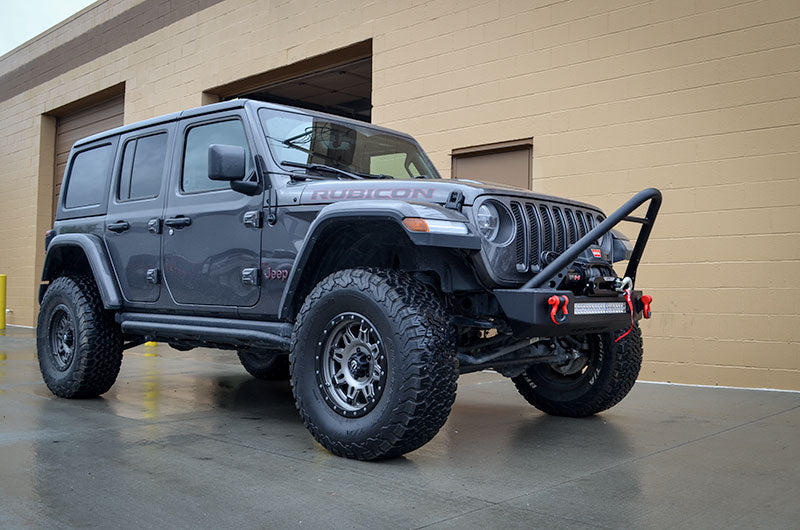
If you’ve seen a Jeep with a long, angled metal bar sticking out from its front bumper, you might wonder what it’s for. This unique bar is called a stinger.
While it looks aggressive and gives the Jeep a rugged style, the stinger is not just for show. It has a very practical use, especially for off-road drivers.
Understanding why off-roaders choose stingers, how they work, and whether you need one can help you make smart choices for your Jeep.
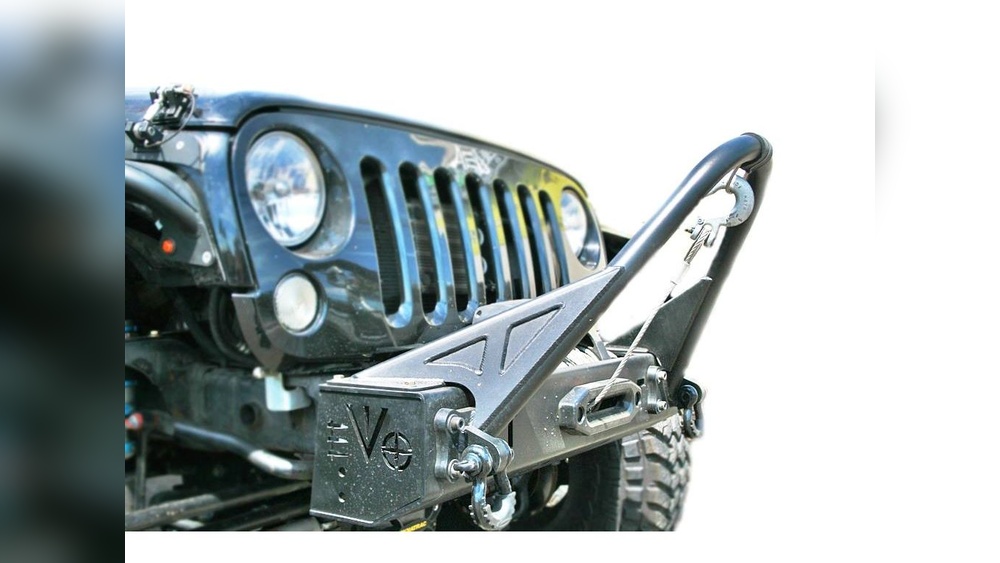
What Is A Stinger?
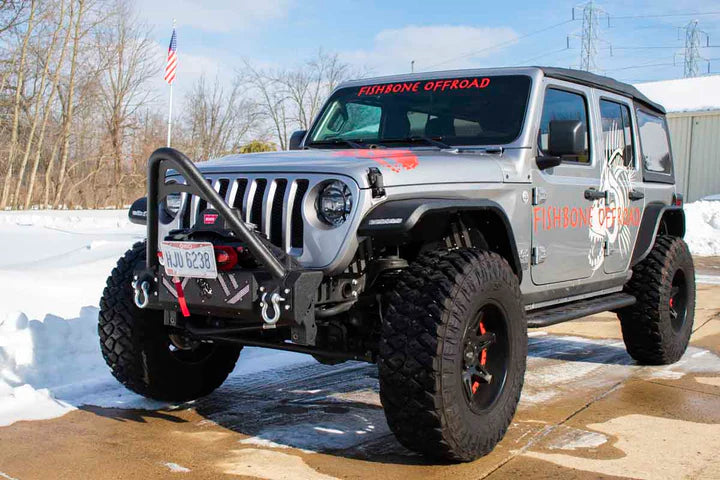
A stinger is a metal bar, usually made from steel tubing, that extends forward and upward from the front bumper of a Jeep or other off-road vehicle. It usually stands at an angle, sometimes rising up to two feet above the hood. Stingers are often welded directly to off-road bumpers for extra strength.
Most stingers are aftermarket parts, meaning they’re added after the vehicle leaves the factory. They come in different shapes and sizes to fit various Jeep models and off-road needs.
Why Do Jeeps Have Stingers?
Preventing Forward Flips
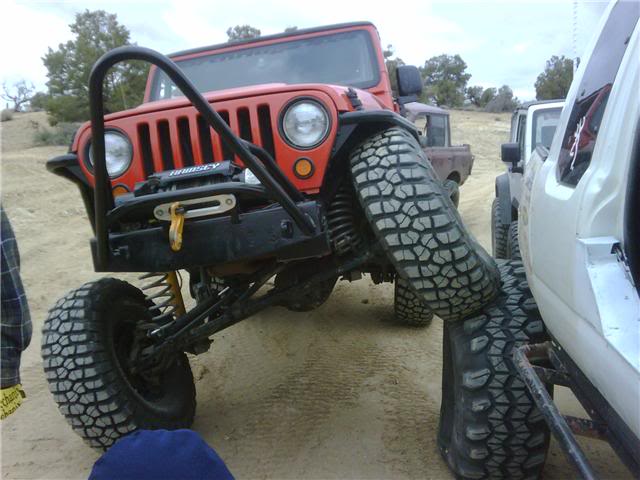
The main purpose of a stinger is to stop your Jeep from flipping forward during steep climbs or when going down a sudden drop. Off-road trails often have sharp slopes, deep ditches, or large rocks. When a Jeep’s front end dips down fast, there’s a risk it could tip forward, known as an end-over-end rollover. The stinger hits the ground first, pushing the front of the Jeep back and helping it stay upright.
Protecting The Front End
A stinger also acts as a shield for important parts at the front of your Jeep, like the radiator, grille, and winch. If you slide into a rock or a tree, the stinger often takes the hit instead of these expensive parts. This can save you from costly repairs.
Winch Cable Safety
Many stingers are designed to guide the winch cable. If you use a winch to pull your Jeep out of mud or up a hill, the stinger keeps the cable from wrapping around or damaging the hood and lights.
Main Benefits Of A Stinger
Here are some of the key advantages:
- Reduces rollover risk on steep or uneven terrain.
- Protects key Jeep parts from damage.
- Improves cable safety when using a winch.
- Adds a unique look to your vehicle.
Some Jeep owners also say a stinger helps them push aside brush, small trees, or obstacles on narrow trails.
When Do You Need A Stinger?
Not every Jeep needs a stinger. For most daily driving or highway use, a stinger is not necessary. However, a stinger is a smart choice if you:
- Drive on rocky trails with sudden drops or steep climbs.
- Use your Jeep for serious off-roading or rock crawling.
- Want extra protection for your bumper and winch.
- Like the off-road look and don’t mind extra weight.
Types Of Stingers
There are several styles and designs. Here’s a simple comparison:
| Type | Height | Best For |
|---|---|---|
| Standard Stinger | 12-24 inches | General off-roading |
| Short Stinger | 6-12 inches | Light trails, daily use |
| Extreme Stinger | 24+ inches | Rock crawling, extreme terrain |
Some stingers have extra supports, while others are just a single tube.
How A Stinger Works In Real Situations
Let’s say you’re driving up a steep rock ledge. If your Jeep starts to tip forward, a stinger will often touch the ground first.
This action shifts weight back onto your rear wheels and stops your Jeep from flipping over.
If you slide into a mud pit or deep ditch, the stinger can catch on the ground before your bumper does. This can give you a chance to stop, back up, or use your winch before getting stuck.
Stingers have even been known to save vehicles during competitions where the risk of rollovers is very high.
Pros And Cons Of Stingers
It helps to know both sides before adding a stinger to your Jeep.
| Pros | Cons |
|---|---|
| Rollover protection | Adds weight |
| Protects front parts | Can block front camera/sensors |
| Winch cable safety | May not be street legal everywhere |
| Unique off-road look | Can reduce ground clearance |
One non-obvious insight: A stinger can also help during a slow rollover by acting as a pivot, making it easier to roll the Jeep back onto its wheels. Another insight: In some places, very large stingers might not be legal for street use, so always check local rules.
Choosing The Right Stinger
When shopping for a stinger, consider:
- Material: Most are made from strong steel tubing. Thicker tubes are stronger but heavier.
- Welds and Mounts: Quality welds matter. A weak weld can break during a rollover.
- Size: Bigger isn’t always better. Too long can block your view or make parking tough.
- Legal issues: Some states ban long stingers on public roads.
- Compatibility: Make sure it fits your Jeep’s bumper and winch setup.
One common mistake is choosing a stinger that looks good but isn’t strong enough for real off-road use. Always pick trusted brands and check reviews from other Jeep owners.
Are Stingers Street Legal?
In the United States, rules vary. Some states allow stingers, while others ban very large ones that stick out far from the front of the vehicle. Police may stop you if your stinger is sharp or sticks out too far, calling it a safety hazard. It’s always smart to check with your local DMV or police before adding a stinger. For more on vehicle equipment laws, see NHTSA.
Stinger Vs. Other Bumper Types
You might wonder how a stinger compares to other popular Jeep bumper styles.
| Bumper Type | Main Use | Key Feature |
|---|---|---|
| Stinger | Off-road rollover prevention | Angled tube for flipping prevention |
| Stubby Bumper | Rock crawling | Short ends for tire clearance |
| Full-Width Bumper | General protection | Covers entire front width |
Stingers are best for off-roaders who face steep, risky trails. Stubby bumpers are better for tight rock crawling, while full-width bumpers offer more protection in daily driving.
Final Thoughts
A stinger is much more than a stylish Jeep accessory. For off-roaders, it’s a safety tool designed to prevent dangerous rollovers and protect key parts of your Jeep.
While it’s not needed for everyone, those who tackle tough trails find the stinger can make the difference between a safe drive and a costly accident.
Remember to consider your driving style, local laws, and the quality of the part before you add one to your Jeep.
Frequently Asked Questions
What Is The Main Purpose Of A Stinger On A Jeep?
The main purpose is to prevent forward rollovers during off-roading and protect the front of the Jeep from damage.
Does A Stinger Affect Normal Driving?
For most city or highway driving, a stinger has little effect, but it does add weight and can make parking harder.
Are Stingers Legal Everywhere?
No. Some states have laws against large stingers on public roads. Always check local rules before installing.
Can I Install A Stinger Myself?
Many stinger kits are bolt-on and can be installed at home, but welding gives the strongest results for off-road use.
Is A Stinger Only For Jeeps?
No. Stingers are also used on other off-road vehicles like trucks and buggies, but they are most common on Jeeps.