The Jeep XJ is one of the most recognized SUVs in automotive history. If you ask off-road fans, mechanics, or drivers, many will mention the XJ as a classic. But what exactly is a Jeep XJ? Why is it so popular? This article explains everything you need to know about the Jeep XJ, from its history and design to its features and why so many people still love it today.
What Is A Jeep Xj?
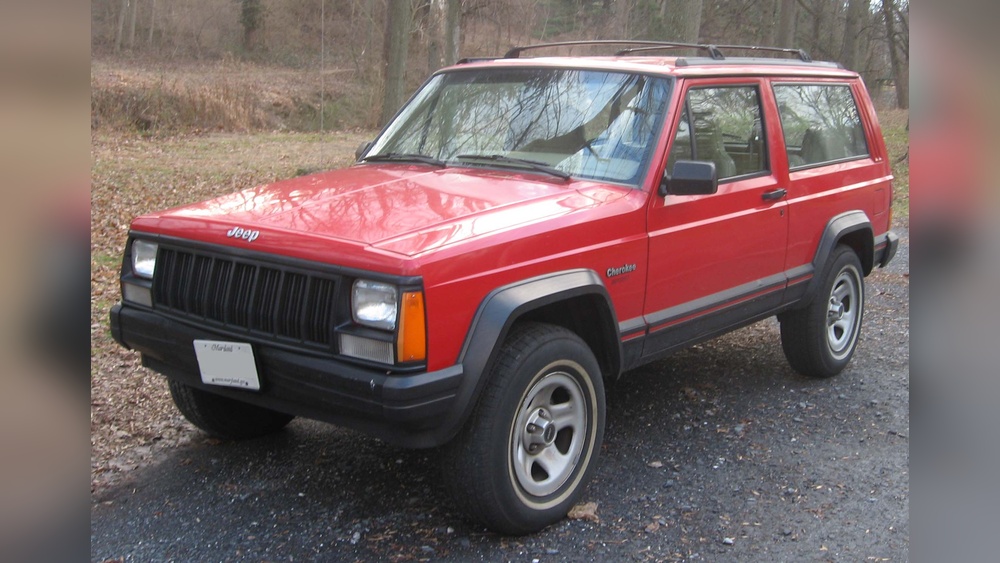
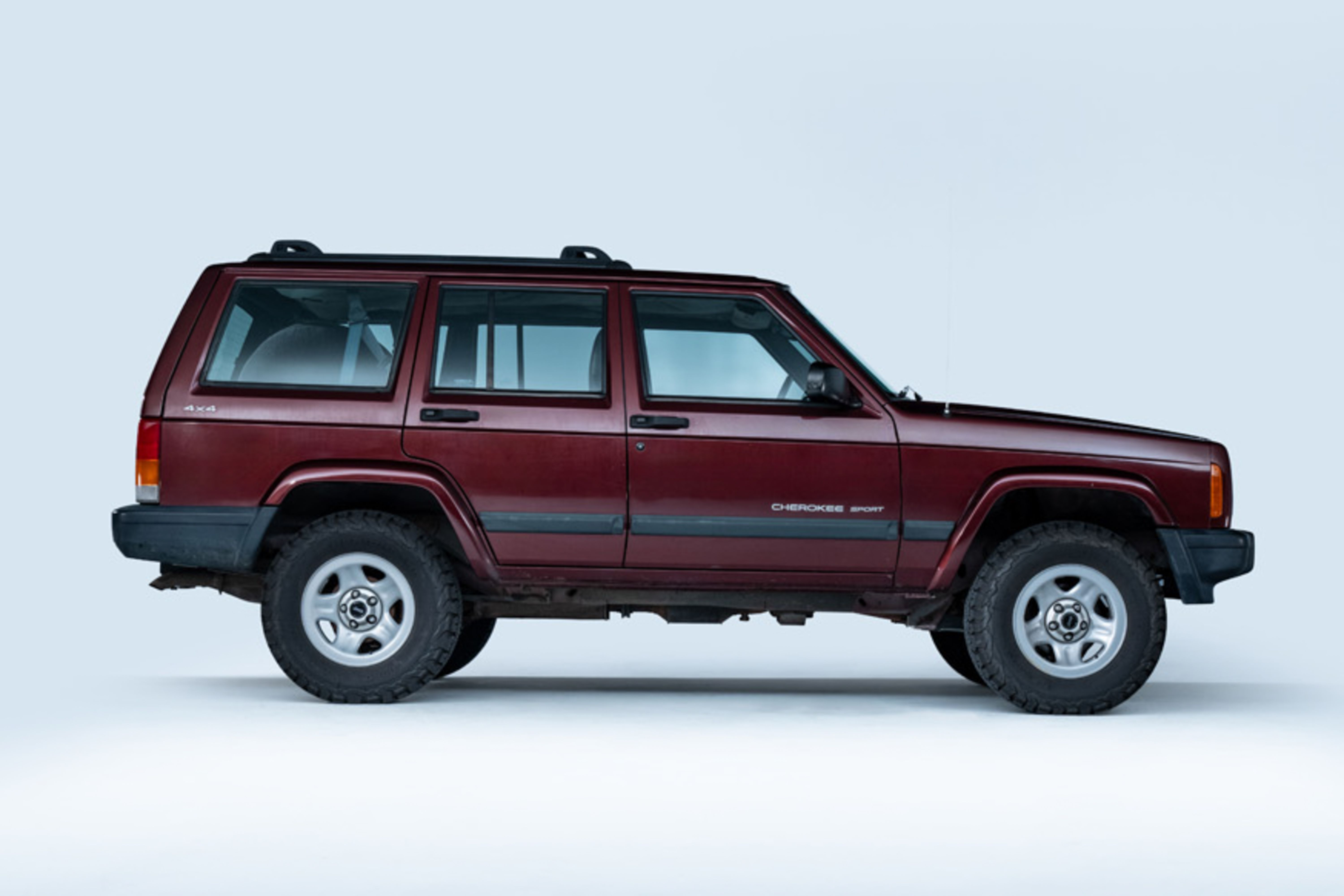
The term Jeep XJ refers to the Jeep Cherokee produced between 1984 and 2001. The “XJ” is the internal code used by Jeep to identify this model. It’s not just a random code; it marks a turning point in SUV design. The XJ was the first Jeep to use a unibody frame, which means the body and chassis are one piece, unlike older Jeeps that used a body-on-frame design.
Drivers loved the XJ because it was tough, reliable, and easy to fix. It combined off-road ability with everyday comfort, making it popular for families, adventurers, and even police departments.
Key Features And Specifications
The XJ Cherokee came with many features that made it stand out.
- Unibody construction: This gave the XJ a lighter weight and better handling.
- 4WD options: Most XJs had either Command-Trac or Selec-Trac 4WD systems.
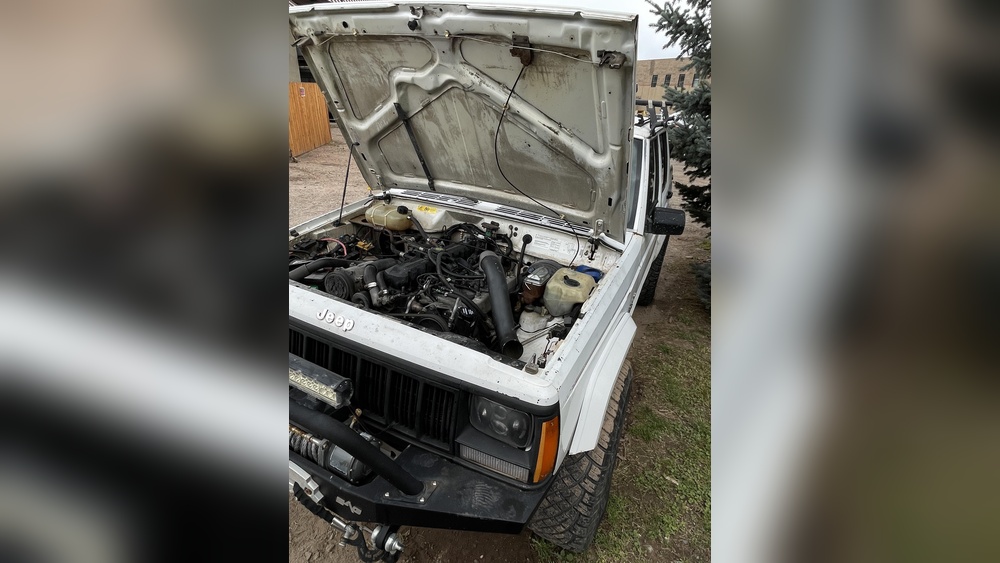
- Engine choices: The most famous engine was the 4.0L inline-six, known for durability. There were also 2.5L four-cylinder and some diesel options in Europe.
- Transmission types: Both manual and automatic transmissions were available.
Here’s a comparison of the main engines offered in the XJ:
| Engine | Horsepower | Torque (lb-ft) | Fuel Economy (mpg) |
|---|---|---|---|
| 2.5L Inline-4 | 121 | 141 | 20 city / 25 highway |
| 4.0L Inline-6 | 190 | 225 | 16 city / 22 highway |
| 2.1L Turbo Diesel (Europe) | 85 | 134 | 28 city / 32 highway |
Why Is The Jeep Xj Popular?
There are several reasons why the XJ is still loved today:
- Affordability: Used XJs are often cheaper than other SUVs of the same age.
- Simplicity: The design is simple, making repairs and upgrades easy.
- Off-road capability: With strong axles and reliable 4WD, the XJ can handle mud, rocks, and snow.
- Aftermarket support: Many companies make parts for the XJ, so you can customize it.
- Longevity: The 4.0L engine is known to last over 200,000 miles if maintained well.
One insight many beginners miss: the XJ’s unibody frame is lighter, but it also has limits. Heavy off-road modifications can damage the unibody if you don’t reinforce it.
Jeep Xj Vs Other Suvs
How does the XJ compare to similar SUVs from the same period? Here’s a quick look:
| Model | Frame Type | Max Towing (lbs) | Years Produced |
|---|---|---|---|
| Jeep XJ Cherokee | Unibody | 5,000 | 1984–2001 |
| Ford Explorer | Body-on-frame | 5,600 | 1991–2010 |
| Toyota 4Runner | Body-on-frame | 5,000 | 1984–present |
| Chevrolet S-10 Blazer | Body-on-frame | 5,000 | 1983–2005 |
As you can see, the XJ’s towing power matches other SUVs, even though it has a lighter unibody design.

Common Problems And What To Watch For
While the XJ is reliable, there are some problems to be aware of:
- Rust: Especially around the floor and rear hatch.
- Cooling system: Older models can overheat if not maintained.
- Electrical issues: Some owners report problems with door locks or window motors.
Many beginners miss the importance of checking the frame and suspension mounts. Because the XJ is unibody, damage here can be expensive to fix.
Modifying And Upgrading The Jeep Xj
The XJ is popular with off-road enthusiasts because it’s easy to upgrade. Here are common modifications:
- Lift kits: Improve ground clearance for bigger tires.
- Upgraded bumpers: Add strength and winch mounts.
- Skid plates: Protect the underside from rocks.
- Locking differentials: Increase traction in tough conditions.
If you plan to lift your XJ, always check the driveshaft angles. A lift can cause vibrations if not adjusted properly.
Jeep Xj In Popular Culture
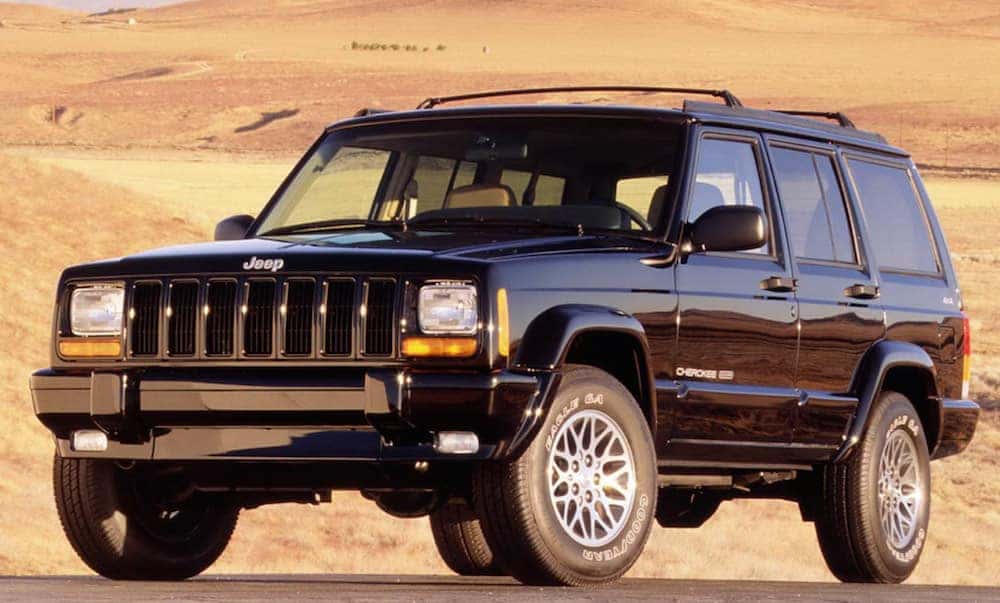
The XJ has appeared in movies, TV shows, and even video games. Police and fire departments used it for many years because it was reliable and could handle rough terrain. Today, the XJ has a cult following, with clubs and online groups sharing tips, photos, and stories.
Buying A Used Jeep Xj: What To Consider
If you want to buy a used XJ, here are some tips:
- Check for rust under the doors, rear hatch, and floor.
- Test the 4WD system to make sure it works.
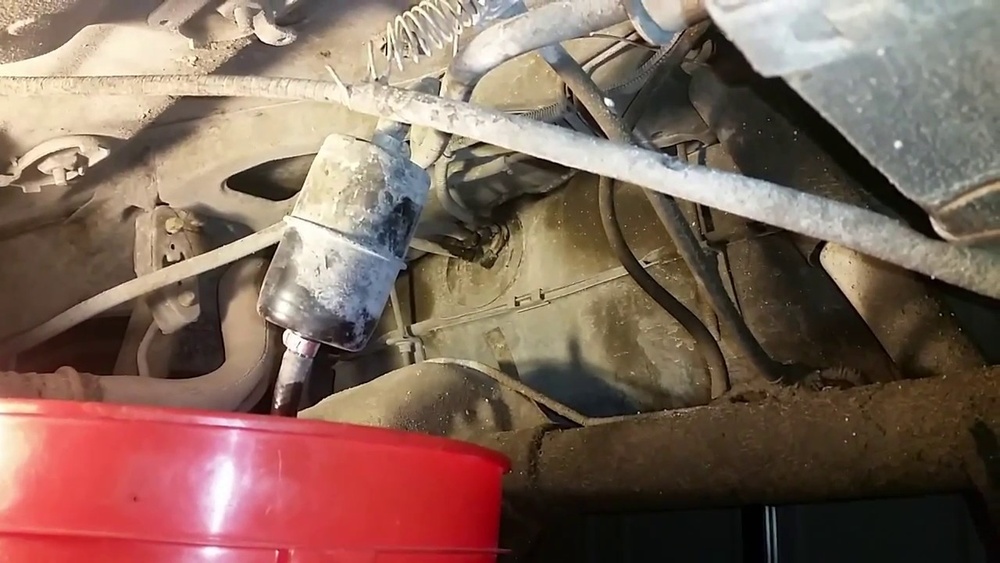
- Look for leaks in the engine, transmission, and cooling system.
- Ask about maintenance records. Well-maintained XJs last longer.
- Inspect suspension and steering. Worn parts can affect safety.
Here’s a quick comparison of XJ trim levels:
| Trim | Features | Price (used) |
|---|---|---|
| Base | Manual windows, basic seats | $2,500–$5,000 |
| Sport | Upgraded wheels, power windows | $3,000–$6,000 |
| Limited | Leather seats, air conditioning | $4,500–$8,000 |
Frequently Asked Questions
What Does “xj” Stand For?
“XJ” is simply the internal code Jeep used for this Cherokee model. It doesn’t stand for a phrase.
Is The Jeep Xj Good For Off-roading?
Yes, the XJ is excellent for off-roading. With strong axles, lightweight frame, and simple 4WD, it handles rough terrain well.
How Many Jeep Xjs Were Made?
Jeep produced over 2.5 million XJs from 1984 to 2001.
What’s The Difference Between Jeep Xj And Grand Cherokee?
The Grand Cherokee uses a different code (“ZJ” for 1993–1998), is larger, and often has more luxury features.
Where Can I Find More Detailed Specs On The Jeep Xj?
For complete specifications and history, see the Jeep Cherokee (XJ) Wikipedia page.
The Jeep XJ remains a favorite for many drivers because it blends rugged performance, easy maintenance, and classic style. Whether you want an off-road vehicle or a reliable daily driver, the XJ is a proven choice that stands the test of time.