The Jeep Badge of Honor program is more than just a sticker or a reward; it’s a celebration of adventure, skill, and community. Jeep owners are known for their passion for off-roading and exploring tough terrains.
The Badge of Honor system recognizes these efforts and creates a way for drivers to share their achievements.
Whether you’re new to Jeep or a longtime enthusiast, understanding this program can add a new dimension to your off-road experiences.
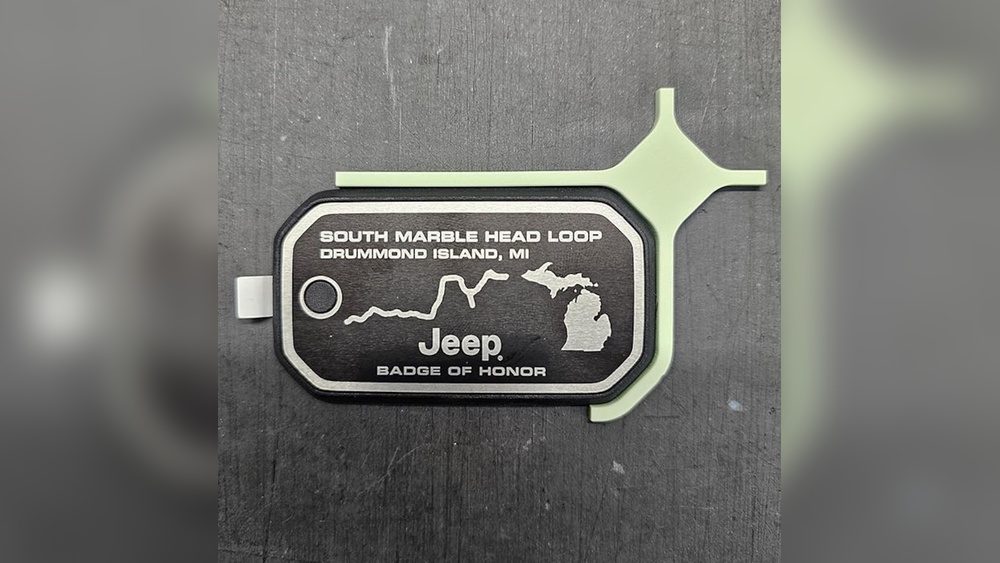
What Is A Jeep Badge Of Honor?
A Jeep Badge of Honor is a physical badge earned by driving specific off-road trails approved by Jeep. These trails are listed in the Badge of Honor app and are located across the United States. When you successfully complete a trail, you check in through the app and Jeep sends you a metal badge—similar in size to a credit card—that you can attach to your vehicle. Each badge features the name of the trail and its difficulty level.
This system is unique because it connects the digital world with real-life adventure. It encourages Jeep owners to explore new places, challenge themselves, and join a growing community of off-road fans.
The badge is a mark of accomplishment and pride, often displayed on the Jeep’s exterior.
How Does The Badge Of Honor Program Work?
The program is managed through the Badge of Honor app. Here’s how it works:
- Download the app: Available for iOS and Android, the app is free.
- Create an account: Register with your details and your Jeep’s information.
- Browse trails: The app lists over 50 official trails, each with a difficulty rating and location.
- Visit a trail: Drive to the trail and complete it.
- Check in: Use GPS on your phone to check in at the trailhead.
- Receive your badge: Jeep mails you a badge after your check-in is verified.
Jeep updates the trail list regularly, with new locations added each year. Some trails are famous, like the Rubicon Trail in California and Moab’s Hell’s Revenge in Utah. Others are hidden gems, offering different challenges and landscapes.

Popular Badge Of Honor Trails
Not all trails are the same. Some are easy, while others require advanced skills. Here are three well-known Badge of Honor trails:
| Trail Name | Location | Difficulty |
|---|---|---|
| Rubicon Trail | California | Hard |
| Hell’s Revenge | Utah | Hard |
| Pine Barrens | New Jersey | Easy |
Each trail offers a different experience. For example, the Rubicon Trail is famous for its rocky paths and steep climbs.
Pine Barrens is more accessible, with sandy tracks and gentle turns.
Trail Ratings And What They Mean
Jeep rates each trail based on difficulty level. This helps drivers choose trails that match their skills and Jeep model.
| Difficulty | Description | Suitable Jeep Models |
|---|---|---|
| Easy | Flat, non-technical, minimal obstacles | All Jeep models |
| Moderate | Some rocks, mud, and inclines | Wrangler, Gladiator |
| Hard | Steep climbs, large rocks, deep water | Wrangler Rubicon, lifted Jeeps |
It’s important to read about the trail before starting. Some badges are only available on weekends or during certain months due to weather.

Benefits Of Earning Jeep Badges Of Honor
Badge of Honor is more than a collection game. It creates connections and builds confidence. Here’s why Jeep owners value it:
- Recognition: Badges show your off-road achievements.
- Community: Meet other Jeep fans on trails and online.
- Motivation: Encourages you to try new trails and improve skills.
- Resale value: Some buyers see badge collections as a sign of experience.
One non-obvious insight: badges can help you track maintenance. Completing tough trails means you should check your Jeep’s parts and fluids more often.
Common Mistakes When Pursuing Badges
Many beginners make errors when starting the program:
- Skipping trail research: Not checking difficulty and weather can be risky.
- Forgetting to check in: If you don’t use the app, you won’t get a badge.
- Going alone: It’s safer to drive with others, especially on hard trails.
- Not preparing your Jeep: Always check tires, fluids, and recovery gear before heading out.
- Ignoring local rules: Some trails have special regulations or permits.
It’s smart to plan your trip, bring extra supplies, and tell someone your route.

How To Display Your Badges
Jeep badges are made of metal and have adhesive backing. Most owners place them on the driver’s side door or near the front fender.
Some display them inside the vehicle for protection from weather and theft.
Displaying badges is a point of pride. It starts conversations and lets others know you’re part of the Jeep adventure community.
The Badge Of Honor Community
The Badge of Honor program creates a strong network of Jeep owners. People share trail stories, photos, and advice online.
Jeep also hosts events and meet-ups, where badge earners can connect and learn from each other.
An overlooked tip: joining these groups can help you find partners for tough trails and get local advice.
For more details on trail locations and rules, visit the official Jeep Badge of Honor site.
Frequently Asked Questions
What Jeep Models Are Eligible For Badge Of Honor Trails?
Any Jeep model can participate, but some trails require special equipment. Wranglers and Gladiators are popular choices because of their off-road features.
How Long Does It Take To Receive A Badge After Checking In?
Badges usually arrive in 4–8 weeks after your check-in is confirmed. Delays can happen during busy seasons or if verification is needed.
Can I Earn Multiple Badges For The Same Trail?
No, you can only earn one badge per trail, per vehicle. However, you can revisit trails and share your experiences online.
Are There Fees To Join The Badge Of Honor Program?
The program is free. You only need to download the app and complete the trails. Some trails may have local fees or permits.
Is It Safe To Drive Badge Of Honor Trails Alone?
It’s best to drive with a group or partner. Some trails are remote and challenging. Always let someone know your plans and bring emergency supplies.
The Jeep Badge of Honor program is a unique mix of technology, adventure, and community. It adds meaning to off-roading and encourages Jeep owners to explore, learn, and grow.
Whether you’re looking for new challenges or want to connect with other enthusiasts, earning a badge is a rewarding experience that lasts far beyond the trail.