Buying or selling a used car can feel confusing, especially when it comes to knowing its real value. If you’re interested in a 2017 Jeep Renegade, you might wonder: “How much is it really worth today?”
This small SUV stands out for its unique style and off-road abilities. But price depends on more than just age.
Let’s break down what affects the value of a 2017 Jeep Renegade, how to estimate it, and what to watch for whether you’re a buyer or a seller.
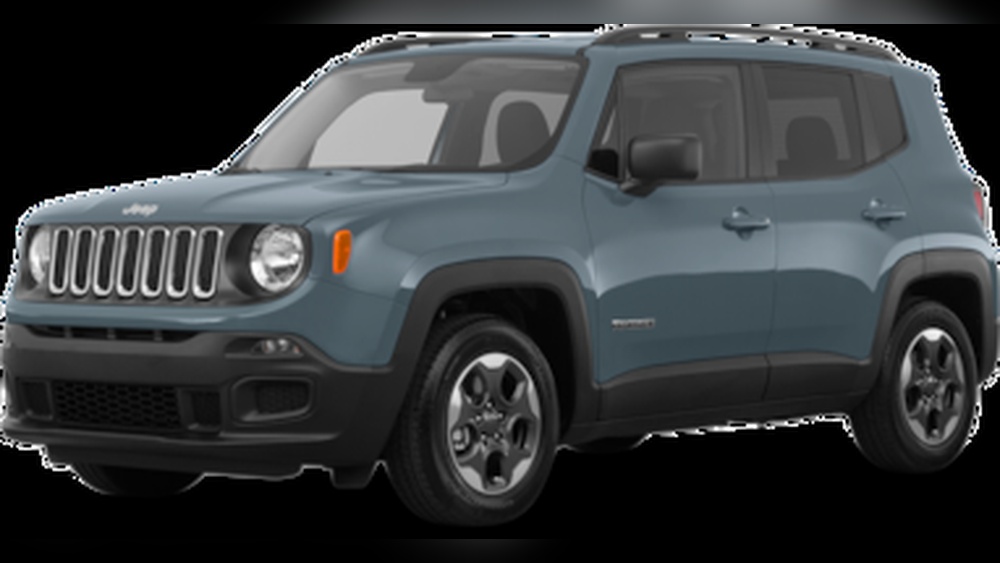
Main Factors That Affect Value
Many things change how much a used 2017 Jeep Renegade is worth. Here are some key factors:
- Trim Level – The Renegade came in several versions: Sport, Latitude, Limited, Trailhawk, and Deserthawk. Higher trims often have more features and can be worth more.
- Mileage – Lower miles usually means a higher price. The average in the US is around 12,000 miles per year. A 2017 model with under 70,000 miles is considered low mileage.
- Condition – Clean interiors, no accidents, and good maintenance records boost value. Damage or missing service history lowers it.
- Location – Prices change by region. For example, 4×4 models may cost more in snowy states.
- Market Demand – If many people want small SUVs, prices go up. When gas prices rise, smaller, efficient SUVs are often more popular.
- Color and Options – Some colors (like white, black, or silver) are easier to sell. Extras like leather seats, navigation, or a sunroof add value.
Typical Price Range In 2026
Used car prices change often, but as of mid-2026, here’s what you can expect for a 2017 Jeep Renegade:
- Trade-in value: $8,000 to $12,000 (what a dealer offers)
- Private party sales: $10,000 to $14,000
- Certified pre-owned (CPO): $13,000 to $16,000
These are averages. Some rare trims or extra-low-mileage Renegades can go higher.
Trim And Feature Comparison
The different trims bring different features and affect the value. Here’s a quick look:
| Trim | Key Features | Price Range (2026) |
|---|---|---|
| Sport | Basic equipment, manual windows (some), steel wheels | $8,000–$11,000 |
| Latitude | Alloy wheels, upgraded interior, touchscreen | $10,000–$13,000 |
| Limited | Leather seats, advanced tech, premium sound | $12,000–$15,000 |
| Trailhawk | 4WD, off-road suspension, skid plates | $12,000–$16,000 |
The Trailhawk and Limited often cost more due to extra features and capability.
How To Estimate The Value
To get a fair value, follow these steps:
- Check mileage – Compare with the average. Lower is better.
- Review maintenance records – Regular oil changes and repairs help value.
- Inspect for damage – Dents, stains, or accident history lower price.
- Look up market prices – Visit websites like Kelley Blue Book, Edmunds, or NADA Guides.
- Get multiple quotes – Ask dealers, check online listings, and compare.
It’s smart to use at least two sources before making a deal.
Example Price Scenarios
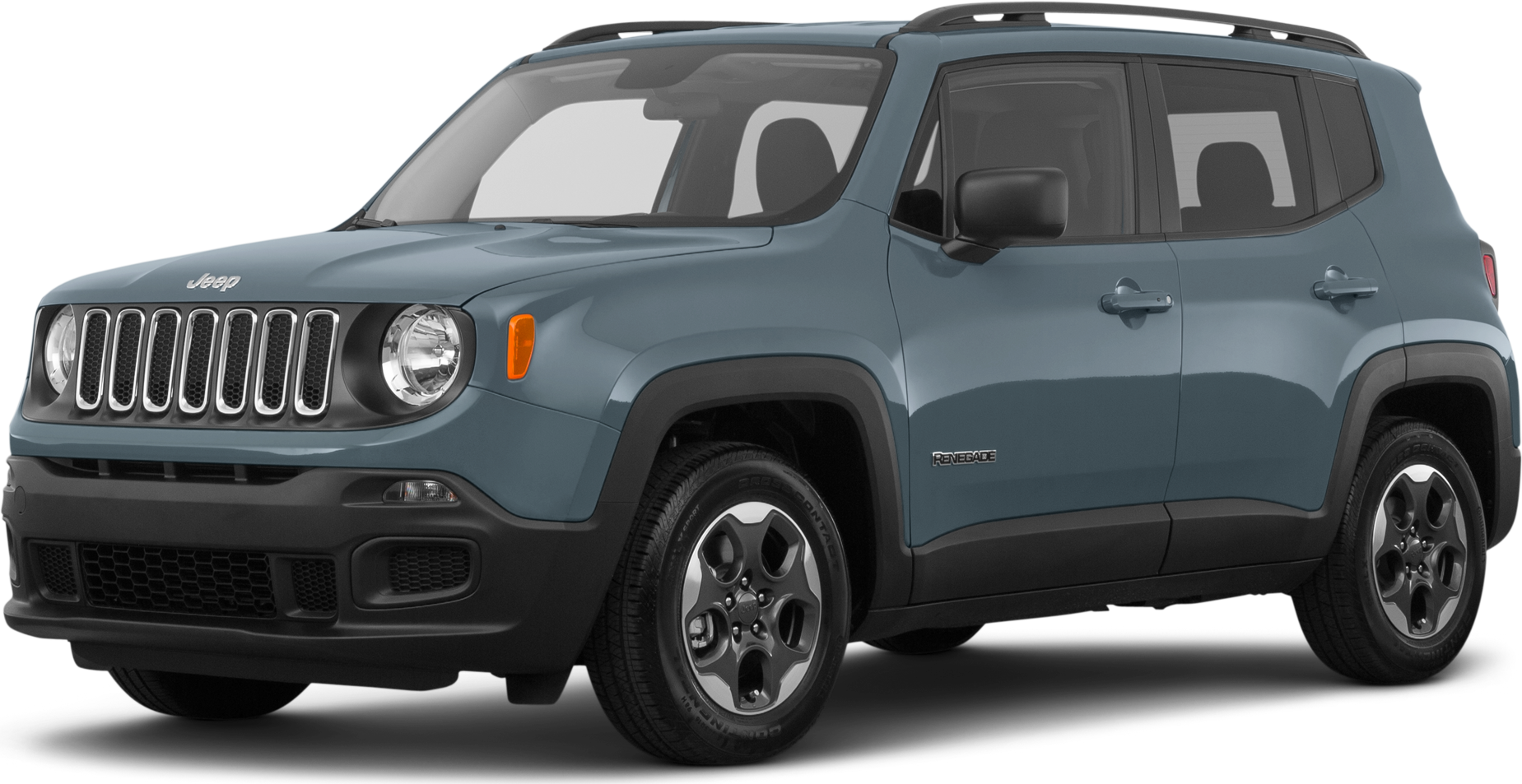
Here are some real-world examples:
- A 2017 Jeep Renegade Latitude, 65,000 miles, good condition, no accidents in Texas: About $12,000 private sale.
- 2017 Sport trim, 110,000 miles, some body scratches, in New York: $8,500 trade-in.
- 2017 Trailhawk, 50,000 miles, all maintenance records, in Colorado: $15,000 from a dealer.
Common Mistakes To Avoid
Many people make errors when buying or selling a used car:
- Ignoring the vehicle history report – Always ask for a Carfax or AutoCheck.
- Skipping a pre-purchase inspection – Small problems can hide big repair costs.
- Overestimating upgrades – Aftermarket wheels or big speakers rarely add value.
- Not considering total cost – Taxes, insurance, and future repairs matter too.
2017 Jeep Renegade Vs. Competitors
Let’s see how the Renegade compares to other small SUVs from 2017.
| Model | Average Price (2026) | Strengths | Weaknesses |
|---|---|---|---|
| Jeep Renegade | $10,000–$15,000 | Off-road ability, unique style | Lower fuel economy, small trunk |
| Honda HR-V | $13,000–$17,000 | Reliability, roomy interior | Less power, basic features |
| Chevy Trax | $10,000–$13,000 | Easy to drive, low price | Basic interior, less power |
| Ford EcoSport | $11,000–$15,000 | Compact, easy parking | Tight rear seats, average reliability |
The Renegade stands out for its off-road features but may cost a bit more to maintain.
How To Increase Your Renegade’s Value
If you want the best price, try these steps:
- Clean the car inside and out
- Fix small dents or scratches
- Gather all keys, manuals, and service records
- Take clear, bright photos if selling online
- List important features (like 4WD or backup camera)
Sometimes, spending $200 on detailing can add $500 to your sale price.
Non-obvious Insights
Many sellers forget that seasonal timing matters. Convertibles and 4WD SUVs often sell for more in spring and fall. Also, buyers often pay a premium for one-owner vehicles with full maintenance records. Even if your Renegade isn’t loaded with features, a well-documented history can close the deal.
Where To Find Reliable Value Data
It’s easy to overpay or sell too low if you trust just one website. For the most accurate results, check values at Kelley Blue Book, compare with local listings, and talk to a few dealers. This gives a full picture of real-world prices.
Frequently Asked Questions
What Is The Average Mileage For A 2017 Jeep Renegade?
Most 2017 Renegades have 60,000 to 90,000 miles in 2026. Lower mileage often means higher value.
Does Accident History Affect Value A Lot?
Yes. A Renegade with a clean history can be worth $1,000–$2,000 more than one with past accidents.
Which Trim Holds Its Value Best?
The Trailhawk and Limited trims usually keep their value better due to extra features and off-road ability.
Is The 2017 Jeep Renegade Reliable?
It has average reliability. Regular maintenance helps prevent common problems like transmission issues or electrical faults.
Where Can I Check The Value Online?
Trusted sites include Kelley Blue Book, Edmunds, and NADA Guides. Always compare at least two sources.
A 2017 Jeep Renegade can be a great value if you understand what affects its price. Pay attention to mileage, condition, trim, and history.
Whether you’re buying or selling, doing a bit of research and preparing the car well can make a big difference.


















