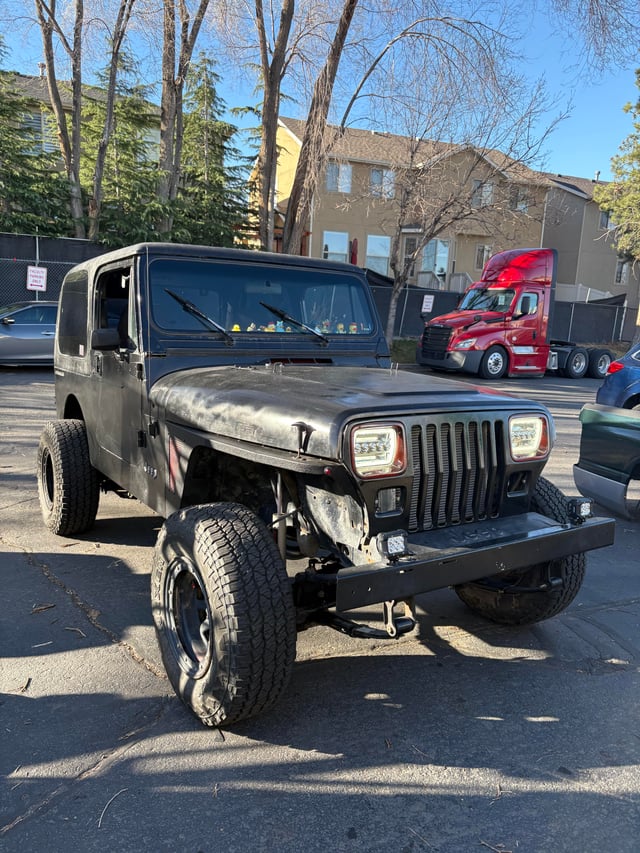
If you own or are thinking about buying a 1990 Jeep Wrangler, you probably wonder: what is it really worth today? The Jeep Wrangler from 1990 is a classic.
It's known for its strong build, simple design, and fun driving experience. Many people love these Jeeps for off-roading and adventure.
But their value can vary a lot, depending on condition, mileage, and even location. Let’s explore what affects the price and how to find out what your 1990 Wrangler is worth in today’s market.

Knowing the real value can help you avoid common mistakes and make smarter choices, whether you want to buy, sell, or just keep your Jeep in top shape.
Key Factors That Affect Value
Several things can change the value of a 1990 Jeep Wrangler. Understanding these will help you get a clear idea before buying or selling. Prices are not random—certain details can push the value up or down by thousands of dollars.
Condition
The condition is the most important factor. A Wrangler in excellent condition with no rust, a clean interior, and good paint can be worth much more than one needing repairs. Even small details, like working gauges or a well-kept soft top, can make a difference. Faded paint, torn seats, or a cracked dashboard can lower the value, even if the engine runs well.
- Mint/Restored: $16,000–$22,000
These Jeeps look almost new, usually after a full restoration. They often win local car shows.
- Good: $8,000–$12,000
Clean, reliable, and mostly original, with some signs of use but nothing major.
- Fair/Poor: $3,500–$7,000
These often need repairs, have visible rust, or have worn-out interiors.
It’s also important to check the frame and underbody. Rust here is a big red flag.
Surface rust on the body is common, but deep rust in the structure can be expensive to fix or even dangerous.
Mileage
Lower mileage usually means a higher price. Wranglers with less than 100,000 miles are rare and sought after. Many Jeeps have over 150,000 miles, but if the engine and transmission are original and still strong, that adds to the value. Sometimes, a high-mileage Jeep with proof of regular maintenance can be a better buy than a low-mileage one with no records.
Modifications
Many owners add lift kits, bigger tires, or custom bumpers. Some upgrades increase value, but strange or low-quality mods might lower it. For example, a well-installed suspension lift with quality parts can make a Jeep more desirable for off-roading fans. But cheap body lifts or homemade electrical changes can scare off buyers. Originality is important to collectors, while off-roaders may pay more for useful upgrades.
Location
Prices can be higher in places with a strong Jeep culture, like Colorado or California. In other areas, they might be lower.
In the Midwest or Northeast, Jeeps often have more rust due to winter salt. This can affect price, even if the Jeep looks nice on the outside.
In dry states like Arizona, you’re more likely to find clean, rust-free Wranglers, and they usually sell for a premium.
Typical Price Ranges
You can find a 1990 Jeep Wrangler in a wide price range. The average price in the US for a good condition example is about $10,000. However, prices do vary:
| Condition | Typical Price Range |
|---|---|
| Excellent | $16,000–$22,000 |
| Good | $8,000–$12,000 |
| Fair | $3,500–$7,000 |
Some rare, fully restored models can sell for more than $20,000. On the other hand, project Jeeps—those needing major work—may go for much less, but be prepared for repair costs.
Special editions or Jeeps with rare options (like factory air conditioning or unique paint colors) may also fetch higher prices among enthusiasts.
Model Options And Features
The 1990 Wrangler came in two main trims:
- Base YJ Wrangler: Basic features, 2.5L 4-cylinder engine, manual transmission. These are lighter and simpler, but less powerful.
- Wrangler Sahara: More comfort, special paint, 4.2L 6-cylinder engine. The Sahara package added two-tone seats, carpeting, and extra trim.
Here’s how their value compares:
| Model | Engine | Approx. Value |
|---|---|---|
| Base YJ | 2.5L I4 | $8,000–$10,000 |
| Sahara | 4.2L I6 | $10,000–$14,000 |
The Sahara is usually worth more because of its features and engine. If you find a Wrangler with rare factory options—like a hard top, air conditioning, or original alloy wheels—that can add a few thousand dollars to the value. Most Jeeps came with manual transmissions, but a few automatics exist and can be worth a bit more, especially for buyers who want an easy daily driver.
Common Buyer Mistakes
It’s easy to make mistakes when buying or selling a classic Wrangler. Even experienced buyers sometimes overlook important things.
- Ignoring rust: Rust under the frame can make a Jeep unsafe. Always check the floors, under the doors, and the frame near the suspension.
- Not checking for leaks: Oil or coolant leaks can be expensive to fix. Look for wet spots under the engine and check the transmission and transfer case for leaks.
- Skipping test drives: Always drive before buying to check handling and noises. Listen for grinding in the gears, clunks from the suspension, or steering that feels loose.
- Overvaluing modifications: Not all upgrades add value. Focus on quality. Some buyers get excited by big tires or bright lights, but these can hide issues or make the Jeep less reliable.
One more common mistake is not checking the title. Make sure the Jeep has a clean title and isn’t marked as rebuilt or salvage, which lowers value.

Non-obvious Insights
Most buyers miss two key points:
- Original parts are valuable. If the Jeep still has its original engine, transmission, and paint, it can be worth more to collectors. Even small details, like original decals or the correct radio, make a difference.
- Service history matters. A Jeep with records showing regular maintenance will sell for more. Ask for receipts for oil changes, brake jobs, or bigger repairs.
Also, Wranglers with factory hard tops and full doors are rarer and can fetch higher prices. Many Jeeps have aftermarket soft tops or half doors, which are fun but not as valuable. Another thing people miss: the original wheels. Many Jeeps have aftermarket rims, but the factory “steelies” or alloys are worth keeping if you have them.
Real Examples
To see what a 1990 Jeep Wrangler is worth, look at recent sales:
- A restored 1990 Sahara in Colorado sold for $19,800. This Jeep had a perfect paint job, new tires, and a spotless interior.
- A base YJ with 160,000 miles and some rust in Texas sold for $6,500. It ran well but needed cosmetic work and some suspension parts.
- A modified Wrangler with a lift kit and new tires in Florida sold for $12,200. It had a rebuilt engine, but the buyer paid extra for the off-road upgrades.
You can check current listings on sites like Hagerty for more data. Looking at at least 5–10 local ads will give you a realistic sense of the market. Don’t rely on just one or two examples.
Value Over Time
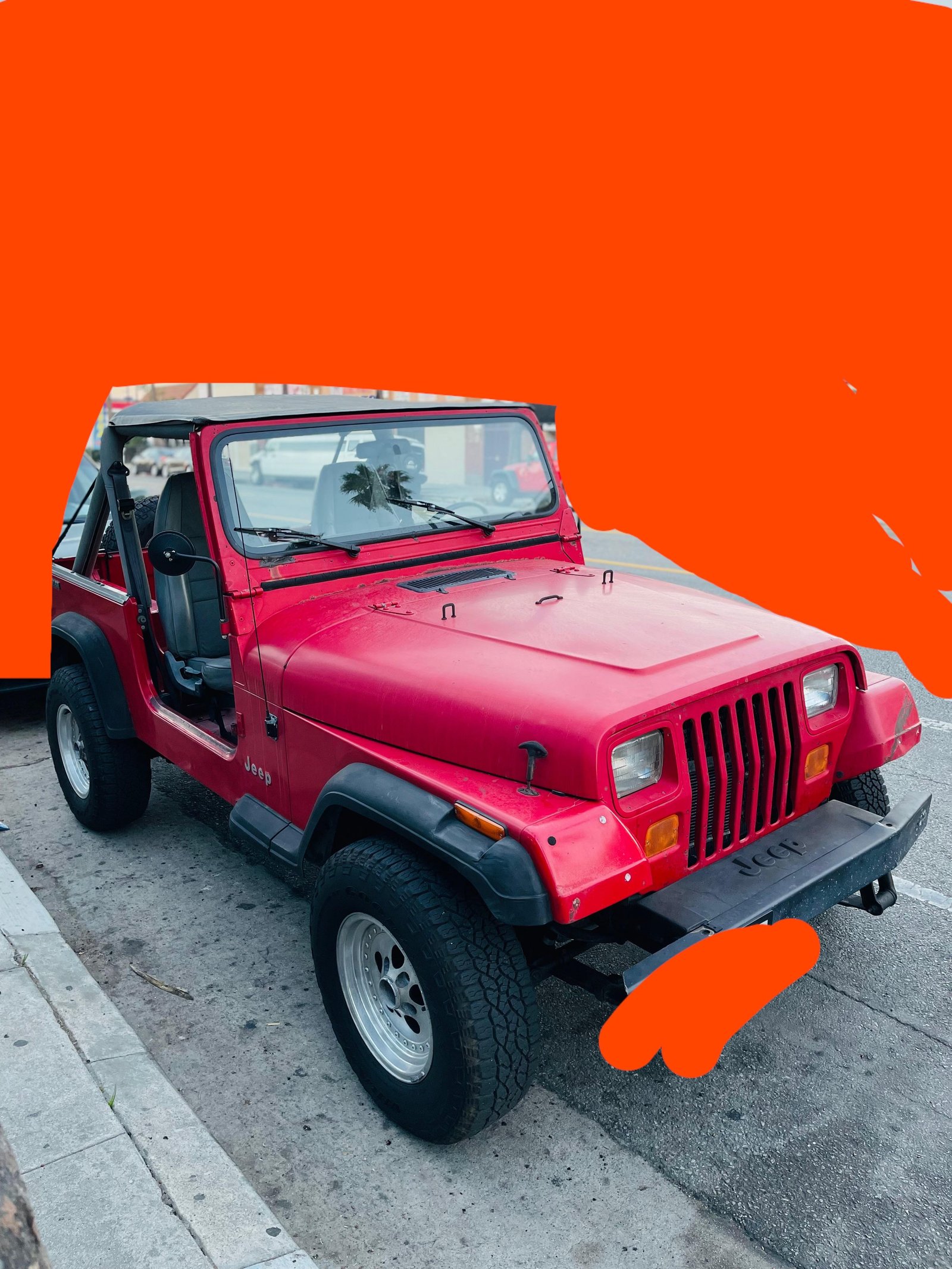
The value of a 1990 Wrangler has slowly increased in the last ten years. This is because more people want classic off-road vehicles, and fewer good examples are available.
As newer Jeeps get more complex, some buyers prefer the simple, tough YJ from 1990.
Jeep clubs and online forums have made these models even more popular.
| Year | Average Value |
|---|---|
| 2013 | $7,800 |
| 2018 | $9,100 |
| 2023 | $10,500 |
Wranglers with low mileage and in original condition have seen the biggest jumps. Modified or rough Jeeps have gone up too, but not as quickly.
If you keep your Wrangler in good shape, it will probably keep its value—or even increase.
How To Get A Realistic Value
If you want to know the true worth of your Jeep:
- Check online listings for similar models. Look for Jeeps in your area and compare their condition and mileage.
- Get a professional appraisal from a classic car expert. This is smart if your Jeep is in great shape or you plan to insure it for full value.
- Compare prices in your local area. Prices in big cities can be very different from small towns.
Remember, a Jeep that looks good in photos may hide problems. Always check in person.
Bring a friend who knows Jeeps if you’re not sure what to look for. Try all the features—lights, wipers, heater, and 4WD system. Small things can reveal bigger issues.