If you own a Jeep, you may have heard people talk about gear ratios or wonder what gears your Jeep actually has. This detail can affect your Jeep’s power, speed, fuel efficiency, and even how well it handles off-road.
But for many owners, gears remain a bit of a mystery. Let’s break down what gears are, why they matter, and how you can find out exactly what gears are in your Jeep.
What Are Gear Ratios And Why Do They Matter?
Inside your Jeep’s axles are ring and pinion gears. The gear ratio is the number of times the driveshaft (from the engine) must turn to spin the wheels once. For example, with a 4.10 gear ratio, the driveshaft turns 4.1 times for every full turn of the wheels.
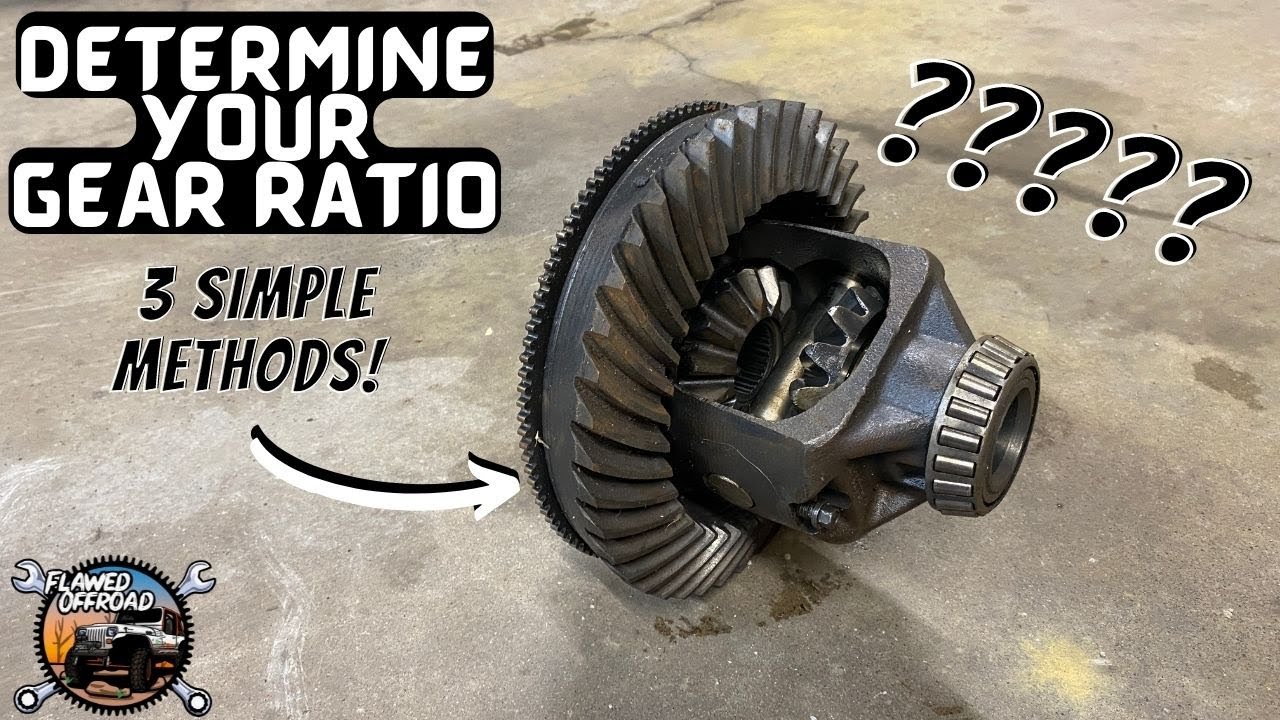
Why does this matter? Gear ratios are all about torque and speed. Lower gears (like 4.56 or 4.88) give more power to the wheels—great for off-roading and towing. Higher gears (like 3.21 or 3.55) allow higher top speeds and better fuel economy, but with less power for climbing or heavy loads.
Common Jeep Gear Ratios
Not all Jeeps have the same gear ratios. Here are some of the most common ones:
- 3.21: Often found in daily drivers, better for highway fuel economy.
- 3.55: Balanced for both city and highway.
- 3.73: Common in off-road or towing packages.
- 4.10, 4.56, 4.88: Used for heavy off-roading or big tire upgrades.
How To Find Out What Gears Your Jeep Has
There’s no single answer for every Jeep, since models and years differ. Here are proven ways to find your Jeep’s gear ratio:
1. Factory Build Sheet Or Window Sticker
Every Jeep leaves the factory with a build sheet, listing all the options—including gear ratio. You can request this from a dealer or find it online using your VIN.
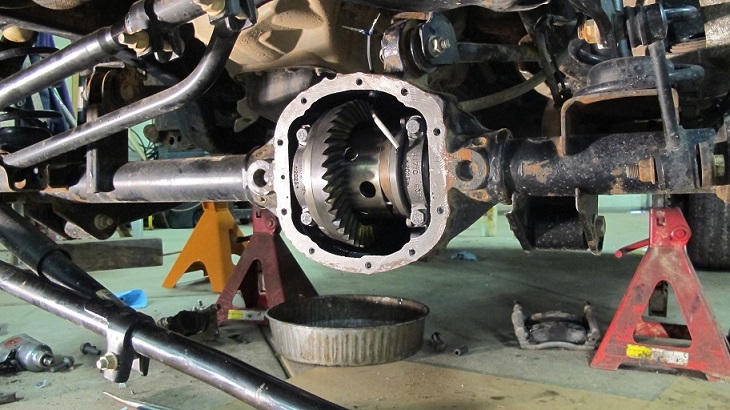
2. Axle Tag Or Stamping
Look for a small metal tag attached to one of the axle cover bolts. It often shows the gear ratio (for example, “3.
73”). Some axles also have numbers stamped directly into the housing.
3. Owner’s Manual
Sometimes, the gear ratio is listed in the specifications section of the manual.
4. Turn Test
If all else fails, you can do a basic test at home:
- Jack up the rear wheels (safely, with chocks and stands).
- Mark the driveshaft and tire.
- Rotate the tire one full turn and count how many times the driveshaft spins.
- If it spins about 3.5 times, you likely have 3.55 gears. If it’s just over 4, you might have 4.10s.
This method isn’t exact, but it gives a good estimate.
How Gears Affect Jeep Performance
Changing your Jeep’s gear ratio can have a big effect on how it drives. Here’s what you might notice:
| Gear Ratio | Acceleration | Top Speed | Fuel Economy |
|---|---|---|---|
| 3.21 | Slower | Higher | Better |
| 3.73 | Balanced | Balanced | Average |
| 4.10 | Faster | Lower | Lower |
If you upgrade to larger tires, your effective gear ratio changes. Big tires make your Jeep work harder, as if you’ve switched to a higher (numerically lower) gear.
This can make it feel sluggish or hurt fuel efficiency.
Example: Tire Size Vs. Gear Ratio
Let’s look at an example. If your Jeep came with 3.
73 gears and 32-inch tires, but you upgrade to 35-inch tires without changing gears, you might notice slower acceleration and more gear-hunting on hills. Many Jeep owners choose to re-gear when they add big tires.
Jeep Gear Ratios By Model And Year
Gear ratios depend on your Jeep’s model, year, and engine. Here’s a general guide:
| Model | Years | Common Gear Ratios |
|---|---|---|
| Wrangler JK | 2007–2018 | 3.21, 3.73, 4.10 |
| Wrangler JL | 2018–Present | 3.45, 3.73, 4.10 |
| Grand Cherokee | Various | 3.07, 3.55, 3.73 |
| Cherokee XJ | 1984–2001 | 3.07, 3.55, 4.10 |
Remember, this is just a starting point. Always check your specific Jeep for exact details.
Non-obvious Insights About Jeep Gears
- Limited slip differentials or lockers don’t change your gear ratio, but they do affect off-road traction. Some Jeep packages include these upgrades.
- Gear ratios affect speedometer accuracy when you change tire size or gears. You might need a tuner or a calibration tool to correct your speed reading.
Should You Change Your Gears?
Most people only need to change gears if they:
- Install much larger tires (2 inches or more over stock)
- Regularly tow heavy trailers
- Do serious off-roading and need more crawling power
Changing gears is a big job, often costing $1,000–$2,000 in parts and labor. But if you drive a lot in the mountains, tow, or want to keep great performance after a tire upgrade, it can be a smart investment.
If you want more technical details, the Wikipedia article on gear ratios offers a deep dive into the math behind the ratios.
Frequently Asked Questions
What Does A Higher Gear Ratio Mean For My Jeep?
A higher gear ratio (like 4.10 or 4.56) gives more torque and power to the wheels. This is better for off-roading, towing, or running big tires, but often lowers top speed and fuel economy.
Can I Find My Jeep’s Gear Ratio Using The Vin?
Yes, you can often find your gear ratio from the VIN. Many Jeep dealers or online VIN decoders can pull up your factory build sheet, which lists the original gear ratio.
Will Changing Tire Size Affect My Gears?
Yes, larger tires make your gears behave as if they are numerically lower. This can reduce power and make your Jeep feel slower unless you re-gear to compensate.
Is It Bad To Drive With The Wrong Gear Ratio?
Driving with a mismatched gear ratio (for example, big tires and stock gears) isn’t dangerous, but it can cause poor performance, transmission strain, and worse fuel economy.
How Do I Know If I Need To Re-gear My Jeep?
If your Jeep feels sluggish after adding big tires, struggles to hold speed uphill, or shifts too much, it may be time to re-gear for better performance.
Understanding your Jeep’s gears helps you get the most out of your vehicle, whether you’re cruising highways or tackling tough trails. Take a little time to check your ratio—it’s a key step toward smarter upgrades and safer adventures.