If you own a Jeep Wrangler, you probably love adventure, off-road fun, and reliability. But choosing the right gas for your Wrangler is not always simple.
Using the wrong fuel can affect performance, engine health, and even your wallet. This guide will help you understand which gas to use, why it matters, and how to avoid common mistakes.
You’ll also see real data and practical examples, so you can make smart decisions every time you fill up.

Understanding Jeep Wrangler Engines
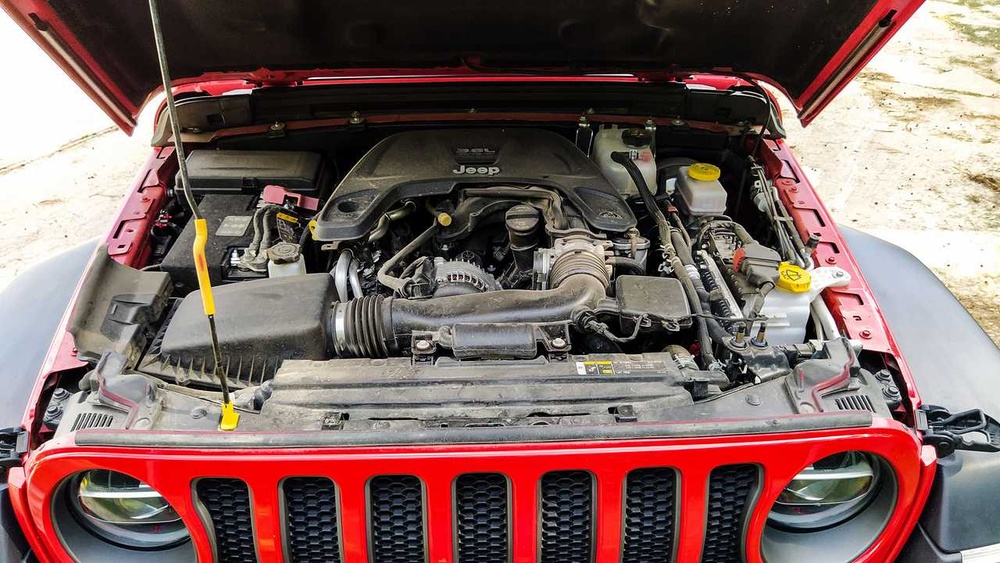
The Jeep Wrangler comes with different engines, each needing a specific type of gas. The most common engines are:
- 3.6L Pentastar V6 (gasoline)
- 2.0L Turbo I4 (gasoline)
- 6.4L V8 (gasoline, in Rubicon 392)
- 3.0L EcoDiesel V6 (diesel)
Most Wranglers on the road use gasoline, but a few models run on diesel.
| Engine | Fuel Type | Recommended Octane |
|---|---|---|
| 3.6L V6 | Gasoline | 87 (Regular) |
| 2.0L Turbo I4 | Gasoline | 87 (Regular) or 91 (Premium for max power) |
| 6.4L V8 | Gasoline | 91 (Premium) |
| 3.0L EcoDiesel V6 | Diesel | #2 Ultra-Low Sulfur Diesel |
Which Gas Should You Use?
Most Jeep Wranglers are designed to run on regular unleaded gasoline (87 octane). This is true for the popular 3.6L V6 and 2.0L Turbo I4 engines. Using regular gas is safe, reliable, and cost-effective.
However, some drivers want extra performance. If you have a 2.0L Turbo engine, you can use premium gas (91 octane) for a slight power boost. For the Rubicon 392 (6.4L V8), premium gas is required for best performance.
Diesel Wranglers need ultra-low sulfur diesel. Never use gasoline in a diesel engine, or vice versa.
Why Octane Matters
Octane measures how resistant gas is to knocking or pinging in the engine. Most engines work well with 87 octane, but turbocharged or high-performance engines may need higher octane to avoid knocking.
| Octane Rating | Purpose | When to Use |
|---|---|---|
| 87 (Regular) | Daily driving, standard engines | Most Jeep Wranglers |
| 89 (Mid-grade) | Little extra protection | Optional, rarely needed |
| 91+ (Premium) | High-performance, turbo engines | Rubicon 392, Turbo models |
Common Mistakes When Choosing Gas
- Using premium gas in regular engines: Many owners think premium gas is always better. But it does not improve performance in engines designed for regular gas. You just spend more money.
- Ignoring the manual: Always check your owner’s manual for the recommended fuel. Each engine has specific requirements.
- Using diesel in gasoline engines: This can cause serious damage. Diesel nozzles don’t usually fit gasoline tanks, but mistakes still happen.
- Mixing fuels: Never mix gasoline and diesel. Even small amounts can cause engine failure.
- Using ethanol blends: Most Wranglers can handle E10 (10% ethanol), but avoid E85 unless your vehicle is labeled as Flex-Fuel.
Practical Examples
Let’s look at real scenarios:
- Daily driver: If you drive a 2019 Wrangler with a 3.6L V6, use 87 octane regular gas. Premium gas will not make it faster or smoother.
- Adventure seeker: If you own a Rubicon 392, only use 91 octane premium gas. Lower octane can cause knocking and reduce engine life.
- Diesel owner: For a Wrangler EcoDiesel, use ultra-low sulfur diesel. Gasoline will damage the engine.
Does Gas Quality Matter?
Yes, but not as much as you think. All major brands in the US meet EPA standards. However, some “Top Tier” brands add extra detergents that help keep your engine clean. It’s wise to use Top Tier Gasoline when possible, but you do not need to panic if you use regular gas from a lesser-known station sometimes.
How Gas Affects Performance And Efficiency
Choosing the right gas affects your Wrangler’s:
- Fuel efficiency: Using the recommended octane gives you the best miles per gallon (MPG).
- Engine health: Wrong fuel can cause knocking, damage, or reduced lifespan.
- Power: Higher octane is needed only for turbo and V8 engines.
A 2022 Wrangler with a 2.0L Turbo engine gets about 24 MPG highway with regular gas, and may see a tiny power increase with premium gas.
How To Find The Right Gas At The Pump
When you visit the gas station, look for:
- Octane labels: Numbers like 87, 89, or 91 are clearly marked.
- Diesel nozzle: Green handles in the US mean diesel.
- Ethanol blends: Avoid E85 unless your Wrangler is Flex-Fuel.
Always double-check before filling. If you make a mistake, do not start the engine—call for help immediately.
Cost Comparison
Gas prices can change, but here’s a typical difference:
| Fuel Type | Average Price per Gallon (2024) | Annual Cost (12,000 miles) |
|---|---|---|
| Regular Gas (87) | $3.60 | $1,800 |
| Premium Gas (91) | $4.10 | $2,050 |
| Diesel | $4.20 | $2,100 |
Using premium or diesel costs more per year. Unless your engine requires it, stick with regular gas to save money.
Non-obvious Insights
- Altitude affects octane needs: At high altitudes, regular gas may work for turbo engines because air is thinner.
- Cold weather and diesel: Diesel engines need special attention in winter. Use winterized diesel to avoid fuel gelling.