The type of gas you put in your Jeep Grand Cherokee may seem like a simple choice, but it can impact your SUV’s performance, fuel economy, and even long-term reliability. With multiple engine options and model years, the right fuel isn’t always obvious.
Using the wrong gas can also waste money or even harm your vehicle. Here’s a clear guide to help you choose the best fuel for your Jeep Grand Cherokee, avoid common mistakes, and get the most out of every fill-up.
Understanding Jeep Grand Cherokee Engines And Fuel Types
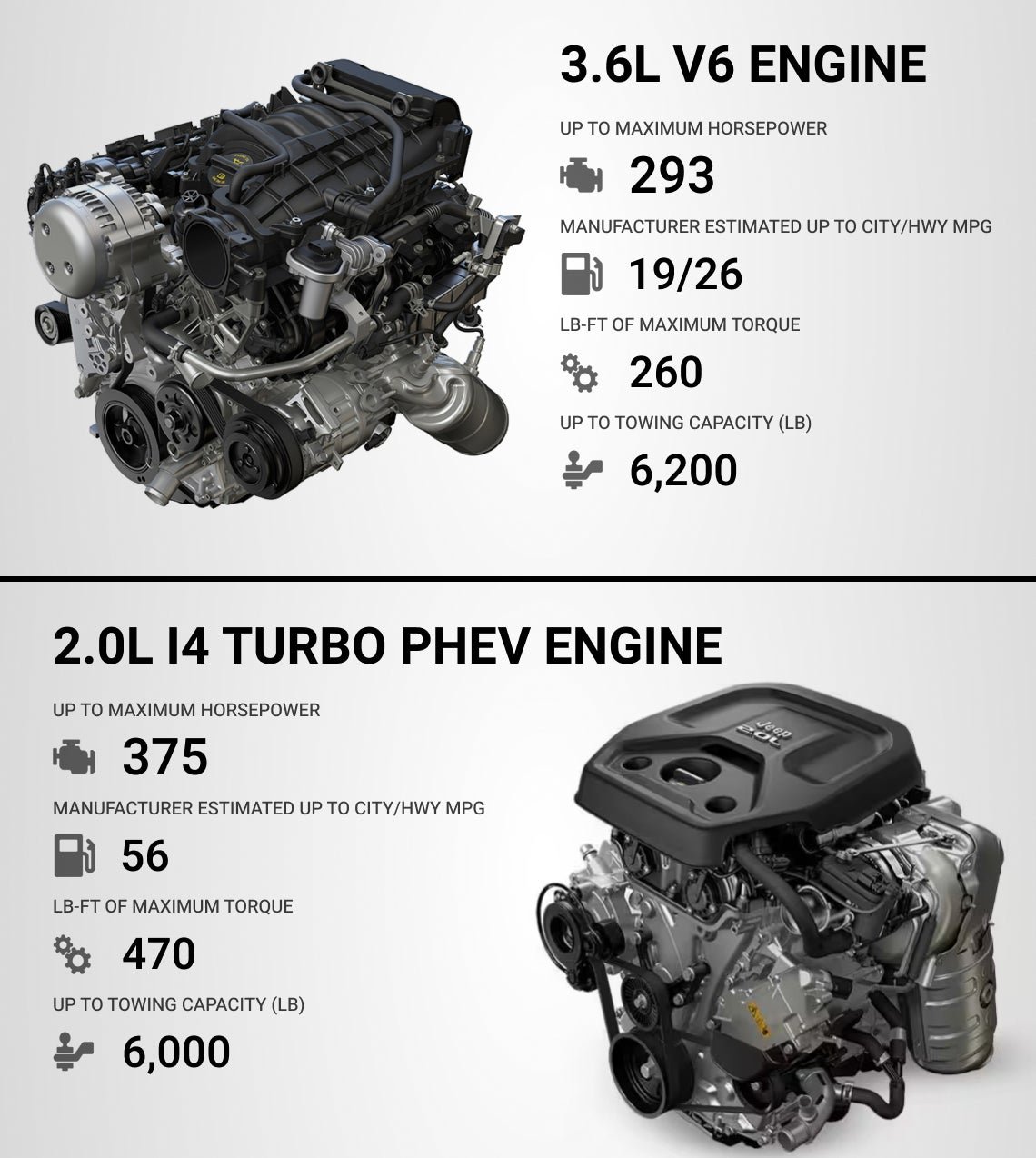
Jeep Grand Cherokees come with several engines, and each engine may have different fuel requirements. The most common options are:
- V6 gasoline engines (3.6L Pentastar)
- V8 gasoline engines (5.7L HEMI, 6.4L SRT, 6.2L Supercharged Trackhawk)
- Diesel engines (3.0L EcoDiesel, less common in the US)
Each engine is designed for a certain type of fuel. Using the correct gas ensures smooth performance and prevents engine knocking.
Common Fuel Types
- Regular unleaded (87 octane): Most common and affordable.
- Mid-grade (89 octane): Slightly higher performance.
- Premium (91-93 octane): Required for high-performance engines.
- Diesel: Only for diesel-specific engines.
Which Gas Should You Use? (by Model And Engine)
Choosing the right gas depends on your model year and engine type. Here’s a quick reference:
| Engine | Recommended Gas | Octane Rating |
|---|---|---|
| 3.6L V6 (Pentastar) | Regular Unleaded | 87 |
| 5.7L V8 (HEMI) | Regular Unleaded | 87 |
| 6.4L V8 (SRT) | Premium Unleaded | 91+ |
| 6.2L Supercharged V8 (Trackhawk) | Premium Unleaded | 91+ |
| 3.0L EcoDiesel | Diesel | N/A |
Most Jeep Grand Cherokee owners have a V6 or standard V8, both of which run perfectly on regular 87 octane gas. Only the high-performance SRT and Trackhawk models need premium fuel for best results.
Why Octane Matters
Octane rating measures how well fuel resists knocking or pinging during combustion. Higher-octane fuels prevent premature ignition in powerful engines. While regular engines don’t benefit from premium gas, high-performance engines can suffer on lower-octane fuels.
Effects Of Using The Wrong Gas
- Using premium in a regular engine: No extra power or efficiency—just higher cost.
- Using regular in a premium-required engine: May cause knocking, reduced performance, and long-term damage.
Gasoline Vs. Diesel: Don’t Mix Them Up
Diesel Grand Cherokees are rare in the US, but it’s critical not to confuse fuel types. Putting gasoline in a diesel engine (or vice versa) can cause severe engine damage and expensive repairs.
Always check the fuel cap and label at the pump.
Real-world Example: Fuel Economy Differences
Let’s compare the average fuel economy for different Jeep Grand Cherokee engines and how fuel choice can affect your wallet.
| Engine | Recommended Gas | EPA MPG (Combined) | Annual Fuel Cost* |
|---|---|---|---|
| 3.6L V6 | Regular | 21 | $2,200 |
| 5.7L V8 | Regular | 17 | $2,700 |
| 6.4L V8 (SRT) | Premium | 15 | $3,200 |
| 3.0L Diesel | Diesel | 24 | $2,000 |
*Based on 15,000 miles/year at average US fuel prices. Actual costs vary.
Should You Use Top Tier Gasoline?
Top Tier gasoline meets higher standards for detergents and additives, helping keep engines clean. Jeep recommends Top Tier gas for all models. It’s available at major brands like Shell, Chevron, and Costco. While it’s not mandatory, it’s a small investment in long-term engine health.
Common Myths And Mistakes
- More expensive gas is always better: Not true. Only use premium if your engine needs it.
- Premium gas increases horsepower in all engines: Only high-compression engines benefit.
- Mixing fuel types is safe: Never mix gasoline and diesel—this can cause breakdowns.
Many drivers fill up with premium thinking it’s a treat for their vehicle, but for most Grand Cherokees, it’s just wasted money.
Non-obvious Insights
- Altitude affects octane needs: At high elevations, engines are less likely to knock, so you can safely use regular fuel even if mid-grade is suggested at sea level. Always check your owner’s manual.
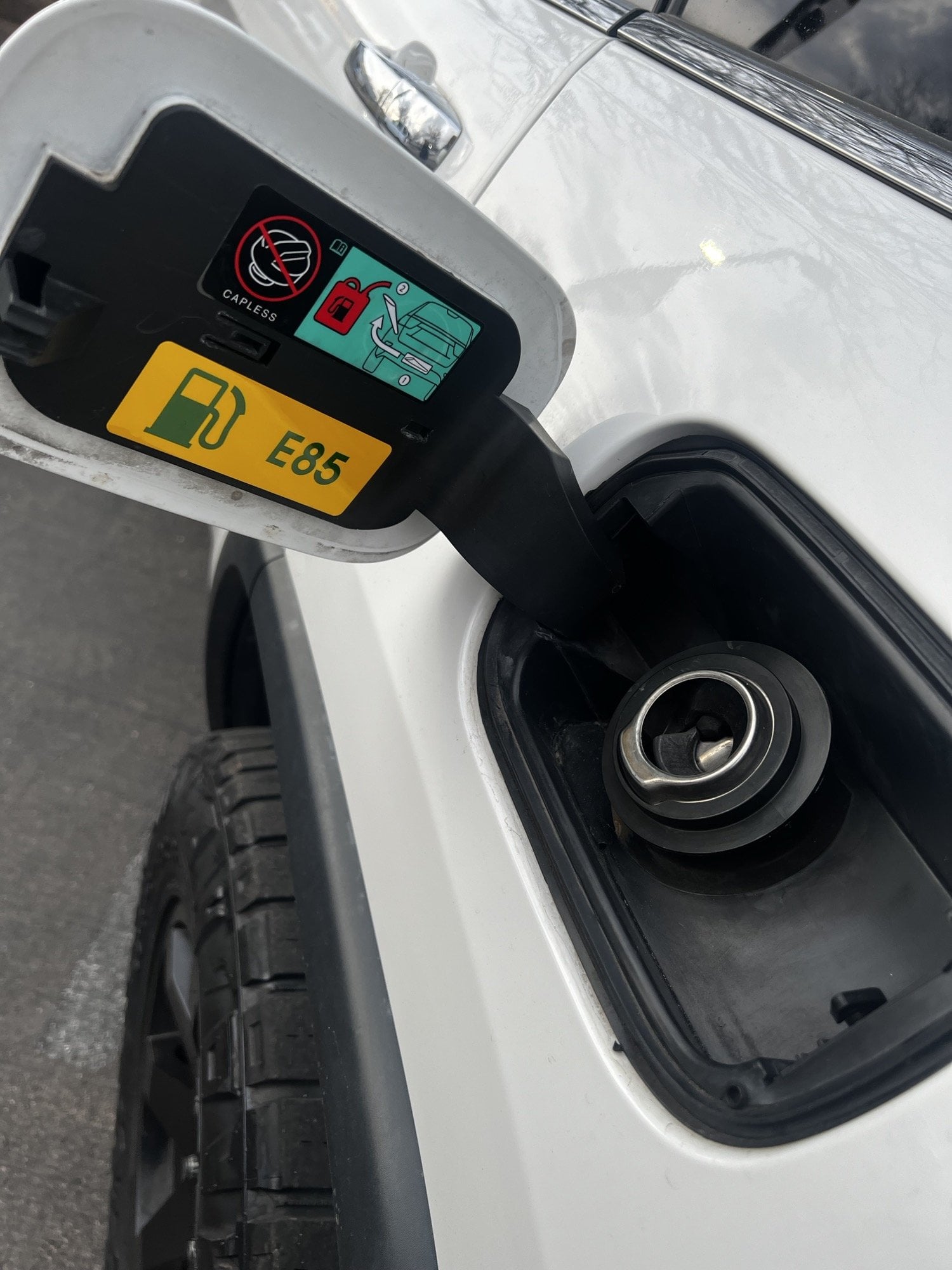
- Ethanol blends (E10, E15): Most Grand Cherokees can run on up to 10% ethanol (E10) without issue. Avoid higher blends like E85 unless your Jeep is marked as “Flex Fuel.”
How To Find The Right Gas For Your Jeep Grand Cherokee
- Check your owner’s manual: It lists the recommended octane and fuel type.
- Look at the fuel cap: Many Jeeps have a sticker showing the correct fuel.
- Ask your dealer: Especially helpful for used Jeeps or rare trims.
If you’re unsure, it’s better to use regular gas in a regular engine and premium only when required. Over time, this saves money and protects your engine.
Frequently Asked Questions
What Happens If I Use Regular Gas In My Srt Or Trackhawk Grand Cherokee?
Using regular gas in a high-performance engine like the SRT or Trackhawk can cause engine knocking, reduced power, and may even lead to engine damage over time. Always use premium fuel in these models.
Can I Use E85 Or Other Ethanol Fuels In My Jeep Grand Cherokee?
Only Flex Fuel Grand Cherokees are designed for E85. Most models safely use up to 10% ethanol (E10), but higher blends can cause engine problems. Check your owner’s manual for specifics.
No. The V6 and standard V8 are tuned for regular 87 octane. Premium gas will not give you more power or better fuel economy in these engines.
How Can I Tell If My Jeep Needs Diesel Or Gasoline?
Check the badging, fuel cap, or owner’s manual. Diesel models are rare and clearly marked. Never put gasoline in a diesel engine or vice versa.
Where Can I Learn More About Recommended Fuels For Jeep Vehicles?
You can find more details on Jeep’s official website or through resources like the US Department of Energy for up-to-date fuel recommendations and economy statistics.
Choosing the right gas for your Jeep Grand Cherokee isn’t complicated, but it does matter. Using the correct fuel protects your engine, saves money, and keeps your Jeep running smoothly for years to come.
Always follow the factory recommendations and don’t be swayed by myths or marketing your Jeep (and your wallet) will thank you.