Choosing the right gas for your Jeep Cherokee is more important than many drivers realize. Using the wrong fuel can hurt engine performance, increase maintenance costs, and even void your warranty.
But with so many engine options and gas grades on the market, it's easy to get confused. If you want smooth drives and fewer trips to the mechanic, understanding your Cherokee’s fuel needs is a must.
This article explains exactly what gas to use, why it matters, and how to avoid common mistakes.

Understanding Jeep Cherokee Engine Types
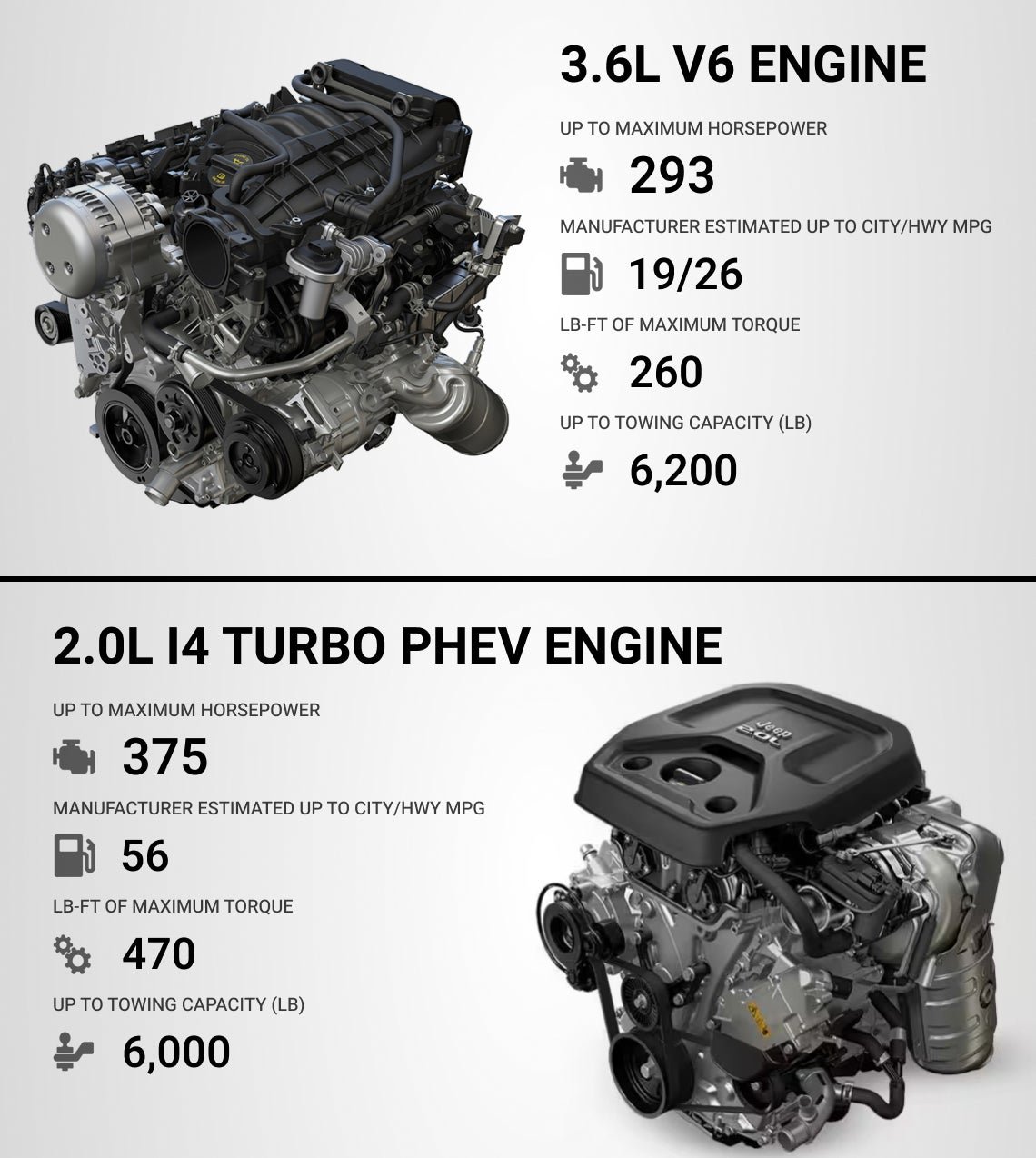
Not all Cherokees are the same under the hood. Over the years, Jeep has offered several engines for the Cherokee, including:
- 2.4L Tigershark I4
- 3.2L Pentastar V6
- 2.0L Turbo I4
Each engine type may have different fuel requirements. Your owner’s manual is always the top reference, but let’s break down what most Cherokees need.
Gasoline Grades Explained
At US gas stations, you’ll see three main grades:
- Regular (87 octane)
- Midgrade (89 octane)
- Premium (91-93 octane)
The octane rating measures how well the fuel resists “knocking” or pre-ignition in the engine. High-performance engines often need higher octane.
Which Gas To Use For Each Cherokee Engine
Knowing your exact engine is key to making the right choice.
2.4l Tigershark I4
This is the base engine for many recent Cherokees. Jeep recommends regular unleaded gasoline (87 octane) for this engine. Using premium fuel gives no added benefit and is a waste of money.
3.2l Pentastar V6
Like the 2.4L, the V6 works best with regular (87 octane) fuel. It is built to handle standard fuel without knocking.
2.0l Turbo I4
This turbocharged engine is more sensitive. Jeep recommends premium (91 octane or higher) for best performance and efficiency. Using regular is possible, but you may notice lower power and reduced fuel economy.
Here’s a quick reference:
| Engine | Recommended Gas | Octane Rating |
|---|---|---|
| 2.4L Tigershark I4 | Regular Unleaded | 87 |
| 3.2L Pentastar V6 | Regular Unleaded | 87 |
| 2.0L Turbo I4 | Premium Unleaded | 91+ |
Why Octane Matters For Your Jeep Cherokee
Many drivers assume higher octane means better performance for any car. That’s not true.
If your Cherokee is built for regular, using premium won’t add power or clean your engine. In fact, it just increases fuel costs with no benefit.
Engines designed for premium (like the 2.0L Turbo) have higher compression and boost. They need premium to prevent knocking, which can damage engine parts over time.
What About Ethanol And Flex-fuel?
Most Cherokees are not flex-fuel vehicles. Standard gas can contain up to 10% ethanol (E10), which is safe for all Cherokee engines.
Avoid E85 or high-ethanol blends unless your Jeep specifically says “Flex-Fuel” on the fuel door or in the manual.
Using the wrong ethanol blend can cause:
- Hard starting
- Rough running
- Fuel system damage
Always check the label at the pump and your owner’s manual.
Comparing Fuel Costs And Performance
Wondering if premium is worth it for your turbo Cherokee? Let’s compare.
| Fuel Type | Average Price/Gallon | Potential MPG | Engine Power |
|---|---|---|---|
| Regular (87) | $3.30 | 25 | Lower |
| Premium (91+) | $4.10 | 27 | Higher |
Note: These numbers are national averages and will change over time. For the 2.0L Turbo, premium fuel usually gives you better mileage and full engine power.
Non-obvious Insights For Jeep Cherokee Owners
- Knocking Isn’t Always Loud: Modern engines often have sensors that adjust performance if you use the wrong octane. You might not hear knocking, but you’ll lose power or fuel efficiency.
- Seasonal Fuel Differences: In winter, gas stations may sell “winter blend” fuel with more additives. Your Cherokee’s performance may change slightly, but stick to the recommended octane.
Common Mistakes When Filling Up
- Ignoring the fuel door: Your Cherokee’s fuel door usually lists the required octane. Don’t rely on memory alone.
- Mixing up E85 and regular gas: E85 is only for flex-fuel vehicles. Using it by mistake can cause expensive damage.
- Thinking premium cleans your engine: Modern fuels already include detergents. Premium does not “clean” better than regular.
Practical Tips For Maximizing Fuel Quality
- Buy from busy stations: High-traffic stations have fresher fuel.
- Avoid filling up during deliveries: Refueling trucks can stir up sediment in station tanks, which may end up in your vehicle.
- Use Top Tier gas: Brands with the “Top Tier” label meet higher standards for detergents and performance.
Table: Quick Reference For Jeep Cherokee Fuel
| Year | Engine | Recommended Gas |
|---|---|---|
| 2014-2021 | 2.4L I4 | Regular (87) |
| 2014-2021 | 3.2L V6 | Regular (87) |
| 2019-2021 | 2.0L Turbo I4 | Premium (91+) |
Frequently Asked Questions
What Happens If I Use Regular Gas In The 2.0l Turbo Engine?
Your Cherokee will run, but you may notice less power and lower fuel economy. Long-term use may increase engine wear.
It’s safe, but not necessary. You won’t see any added benefit, so it’s usually not worth the extra cost.
How Do I Know If My Cherokee Is Flex-fuel?
Look for a yellow gas cap, a “Flex-Fuel” badge, or check your owner’s manual. Most Cherokees are not flex-fuel.
Can I Use Fuel Additives?
Most modern fuels already contain cleaning agents. Only use additives if your manual recommends them, or if you have a specific problem.
Where Can I Find Official Jeep Recommendations?
Always check your owner’s manual or visit the official Jeep website for the latest information.
Choosing the right gas for your Jeep Cherokee is simple once you know your engine and follow the manual. You’ll save money, protect your engine, and enjoy every drive with confidence.