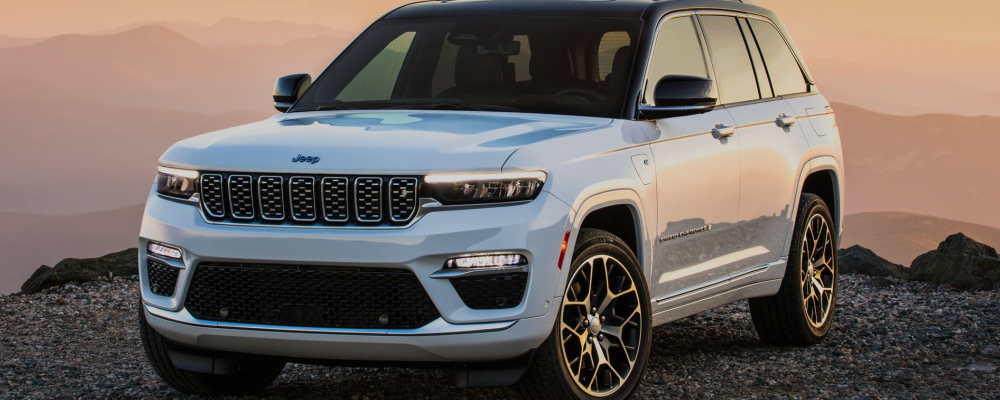
The Jeep Grand Cherokee is a popular SUV in America and around the world. If you own one or plan to buy, choosing the right gas is important for performance, reliability, and cost.
Many drivers are unsure which gasoline is best, what happens if you use the wrong fuel, and how gas choice affects mileage.
This guide explains everything simply, with real data and practical advice.

Gas Types For Jeep Grand Cherokee
The Jeep Grand Cherokee comes with different engines. Each engine has its own recommended gas type. Here’s what you need to know:
Regular Gasoline (87 Octane)
Most Grand Cherokee models, especially those with V6 engines, are designed for regular gasoline. This is the cheapest and most common gas. For example, the 3.6L Pentastar V6, which is in many Grand Cherokees, runs perfectly on 87 octane.
Some Grand Cherokee models, especially the V8 engines or performance versions like the Grand Cherokee SRT or Trackhawk, require premium gasoline. Premium has higher octane (91–93). It helps prevent engine knocking in high-performance engines.
Flex-fuel (e85)
A few Grand Cherokee models are flex-fuel vehicles. They can use E85, which is a mix of 85% ethanol and 15% gasoline. E85 is less common, and often only available in specific regions.
| Engine | Recommended Gas | Octane Rating |
|---|---|---|
| 3.6L V6 | Regular Gasoline | 87 |
| 5.7L V8 | Regular or Midgrade | 87–89 |
| 6.4L V8 SRT | Premium Gasoline | 91+ |
| 6.2L V8 Trackhawk | Premium Gasoline | 91+ |
| Flex-Fuel Models | E85 or Gasoline | N/A |
Always check your owner’s manual. Using the wrong gas can affect performance and even damage your engine.
Why Octane Rating Matters
Octane rating measures how well gasoline resists knocking, which is uncontrolled burning inside the engine. Higher octane is needed for engines with higher compression or turbocharging.
- Regular gas (87) works for most engines.
- Premium gas (91–93) is for engines that need more resistance to knocking.
If your engine needs premium but you use regular, you may notice loss of power, engine knocking, or even long-term damage. If your car is designed for regular, using premium won’t improve performance or mileage.

Comparing Gas Options: Cost Vs Performance
Let’s compare the cost and performance of regular vs premium gas for Grand Cherokee drivers.
| Gas Type | Average Price (US) | Performance | Engine Suitability |
|---|---|---|---|
| Regular (87) | $3.40/gallon | Normal | V6, V8 (non-SRT) |
| Midgrade (89) | $3.70/gallon | Slightly better | Some V8 |
| Premium (91–93) | $4.10/gallon | Best for performance | SRT, Trackhawk |
| E85 Flex-Fuel | $2.85/gallon | Lower mileage | Flex-fuel models |
Regular gasoline is fine for most Grand Cherokees. Premium gasoline is needed only for high-performance models. E85 is cheaper but gives fewer miles per gallon.
Fuel Efficiency: What Gas Affects Mileage?
Gas type can affect your fuel efficiency. Using the right gas helps you get the best mileage.
- A V6 Grand Cherokee gets about 18 mpg city / 25 mpg highway on regular gas.
- The SRT or Trackhawk (with V8) gets 13 mpg city / 19 mpg highway on premium.
Using premium in a regular engine won’t improve mpg. Using E85 in a flex-fuel Grand Cherokee reduces mpg by 20 30%.
This is because ethanol has less energy than gasoline.
| Model | Gas Used | Estimated MPG |
|---|---|---|
| V6 (Regular) | 87 Octane | 21 avg |
| V8 (Premium) | 91 Octane | 16 avg |
| Flex-Fuel | E85 | 14 avg |
Common Mistakes When Choosing Gas
- Using premium when not needed: Many drivers think premium gas is always better. It’s not. If your Grand Cherokee uses regular, premium is just a waste of money.
- Ignoring the owner’s manual: Always check the manual for recommended octane. It’s specific to your engine.
- Switching fuels too often: Switching between regular and premium can confuse some engines, especially older models.
- Assuming E85 is better: E85 is cheaper but reduces mileage and is only for flex-fuel vehicles.
Non-obvious Tips For Jeep Grand Cherokee Owners
- Pay attention to gas station quality. Not all gas is equal. Use stations with high turnover—fresh gas is better for your engine.
- Watch for warning signs. If you hear knocking or notice reduced power after changing gas type, switch back immediately.
Many people overlook the impact of gas quality and think octane is the only factor. But additives in gasoline (like detergents) also help keep your engine clean.

Frequently Asked Questions
What Happens If I Use The Wrong Octane Gas In My Grand Cherokee?
If you use lower octane than recommended, you might hear knocking or lose power. It can cause engine damage over time. If you use higher octane than needed, there’s no harm, but you won’t get better performance.
Can I Use E85 In My Jeep Grand Cherokee?
Only if your Grand Cherokee is a flex-fuel model. Most Grand Cherokees are not flex-fuel, so check your owner’s manual or fuel door label first.
No. For engines designed for regular gas, premium won’t improve mileage or performance. You’re just paying more for no benefit.
How Do I Know Which Gas My Grand Cherokee Needs?
Check the owner’s manual or inside the fuel door. It will list the recommended octane and mention if flex-fuel is allowed.
Is It Safe To Switch Between Gas Types?
If your engine allows both (like some V8s), it’s safe. For most engines, stick with the recommended gas. Switching often is not advised.
Choosing the right gas for your Jeep Grand Cherokee is simple once you know your engine type and what the manual says. For most drivers, regular gasoline is best. For high-performance models, premium is necessary. Remember, using the wrong gas can cost money and hurt your SUV in the long run. For more official information, visit Jeep Official Site. Following these tips keeps your Grand Cherokee running smooth and strong.


















