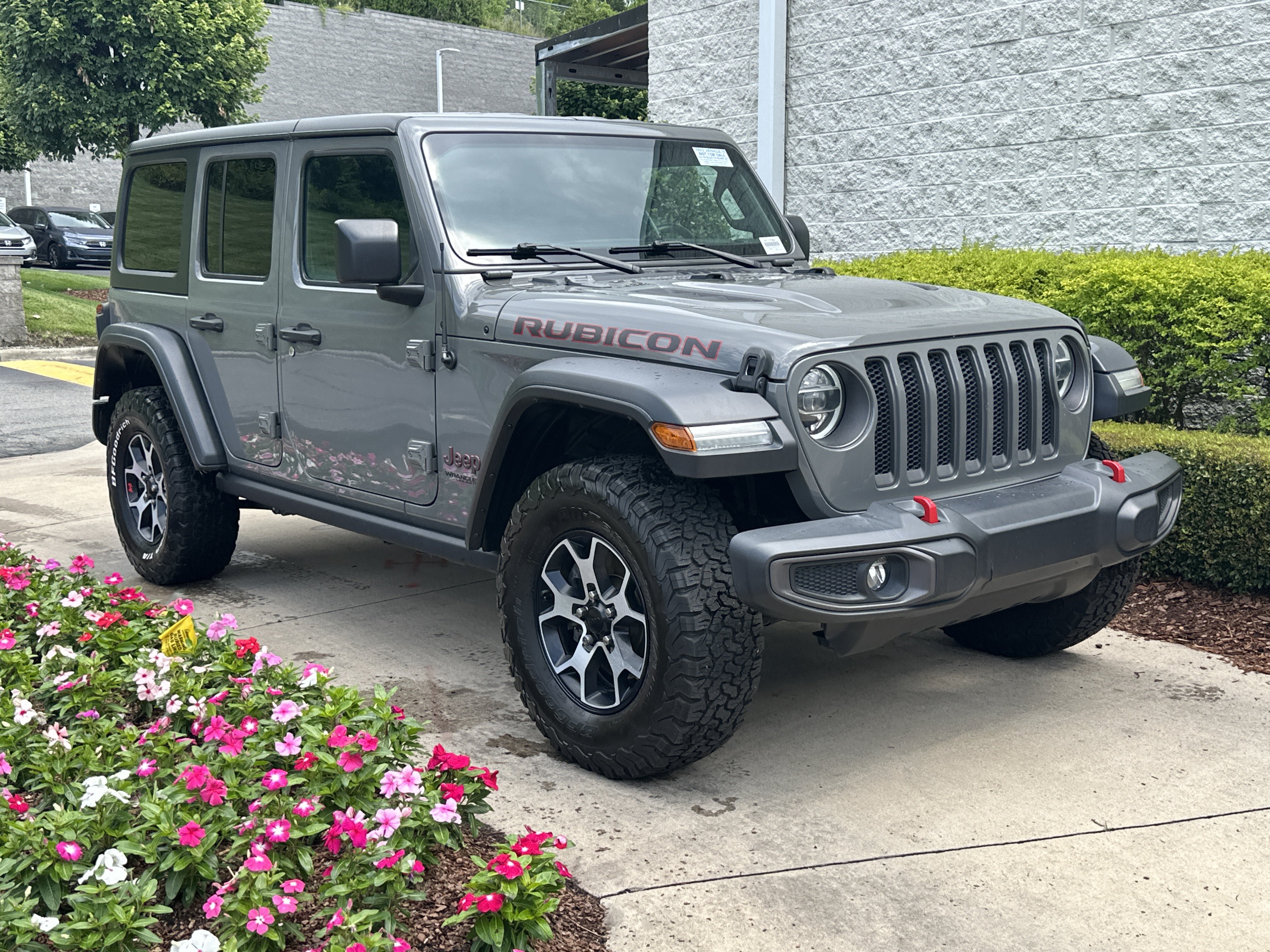
Owning a Jeep Rubicon is more than just driving a vehicle—it's about adventure, confidence, and freedom. But before you hit the trail, you need to know what kind of gas your Rubicon requires.
Using the wrong fuel can reduce power, increase engine wear, and even void your warranty. Many owners, especially first-timers, are unsure if their Jeep Rubicon takes regular gasoline, premium gas, or something else.
Let's clear up the confusion so you can keep your Rubicon running strong and reliable.
What Fuel Type Does A Jeep Rubicon Use?
The Jeep Rubicon comes in different models and engine types, but most share similar fuel needs. Here’s what you need to know:
1. Regular Unleaded Gasoline (87 Octane):
Most Jeep Rubicon models—especially those with the standard 3.6L Pentastar V6—are designed to run on 87 octane regular gasoline. This is the most common fuel at US pumps.
2. Turbocharged And Diesel Variants:
Some Rubicons, like those with the 2.0L Turbo I4 or 3.0L EcoDiesel V6, may have slightly different requirements. The turbo model can use regular gas, but Jeep recommends premium (91 octane) for maximum performance and efficiency. The diesel Rubicon, of course, uses diesel fuel only.
3. High-performance Models:
The Jeep Wrangler Rubicon 392 features a powerful 6.4L V8 engine. This beast needs premium gasoline (91 octane or higher) to prevent knocking and protect the engine.
Here’s a quick comparison of the main Rubicon engines and their fuel needs:
| Model Year | Engine | Recommended Fuel | Octane Rating |
|---|---|---|---|
| 2024 | 3.6L V6 | Regular Gasoline | 87 |
| 2024 | 2.0L Turbo I4 | Premium Gasoline | 91+ |
| 2024 | 3.0L EcoDiesel V6 | Diesel | N/A |
| 2024 | 6.4L V8 (392) | Premium Gasoline | 91+ |
Why Octane Rating Matters
The octane rating measures how well gasoline resists knocking or pinging during combustion. Using lower octane than recommended can cause:
- Reduced engine performance
- Knocking sounds
- Increased wear
High-octane gas is not always better for all engines. For most Rubicon owners, 87 octane is perfect for standard engines. Turbo and V8 engines need 91 or higher for best results.
What Happens If You Use The Wrong Gas?
Many believe premium gas will make any car run better. For most Rubicons, this is not true. Here’s what can happen:
- Using lower octane than required:
Your engine may knock, lose power, and possibly suffer damage over time.
- Using higher octane than required:
No benefit for standard engines. Just extra cost.
- Using diesel in a gasoline engine (or vice versa):
This can severely damage your engine. Always double-check the fuel type.
Non-obvious insight: If you’re planning long road trips or off-roading in remote areas, stick with the recommended fuel. Some rural stations may only offer regular gas, so know your engine’s needs in advance.
Fuel Efficiency And Cost
Fuel choice affects your wallet and the environment. Here’s how Rubicon fuel types compare in terms of efficiency and cost:
| Engine | Estimated MPG (City/Hwy) | Fuel Cost per Year (avg.) |
|---|---|---|
| 3.6L V6 | 17 / 23 | $2,200 |
| 2.0L Turbo I4 | 21 / 24 | $2,000 |
| 3.0L EcoDiesel V6 | 22 / 29 | $1,800 |
| 6.4L V8 (392) | 13 / 17 | $2,800 |
Diesel Rubicon models are more efficient but diesel fuel prices can vary. V8 Rubicon 392 owners pay more for gas, but enjoy unmatched power.

Practical Tips For Jeep Rubicon Owners
1. Check Your Owner’s Manual:
It’s the best source for your exact model’s fuel needs. If you lose it, you can find digital copies online.
2. Avoid E85 Or Flex Fuel:
Most Rubicons are not designed for E85 ethanol blends. Stick with standard gasoline unless your manual says otherwise.
3. Monitor Fuel Quality:
Buy from reputable stations. Poor-quality gas can cause engine issues, especially in turbo or diesel models.
4. Don’t Mix Fuel Types:
If you accidentally use the wrong fuel, don’t start the engine. Call a mechanic.
5. Know Your Engine:
If you’re unsure which engine you have, check under the hood or your VIN info.
Non-obvious insight: In cold climates, diesel Rubicons may need special additives to prevent fuel gelling. Gasoline Rubicons are less affected by cold, but still benefit from regular maintenance.
Comparing Jeep Rubicon To Other Suvs
How does the Rubicon’s fuel needs stack up against other popular off-road SUVs?
| Vehicle | Engine Type | Recommended Fuel |
|---|---|---|
| Jeep Rubicon | V6 / I4 Turbo / Diesel / V8 | Regular / Premium / Diesel |
| Ford Bronco | I4 / V6 Turbo | Regular / Premium |
| Toyota 4Runner | V6 | Regular |
| Land Rover Defender | I4 / V6 / V8 | Premium |
The Rubicon offers flexibility, but the V8 and diesel options require careful attention to fuel type.

Frequently Asked Questions
What Gas Does A Standard Jeep Rubicon Take?
A standard Jeep Rubicon with the 3.6L V6 runs best on regular 87 octane gasoline. This is the most widely available type at US gas stations.
You can use premium gas in standard Rubicons, but there’s no benefit. Only turbocharged or V8 models need premium for peak performance.
What Happens If I Put Diesel In A Gasoline Rubicon?
Using diesel fuel in a gasoline engine can cause severe damage. If this happens, do not start the engine. Call a mechanic for help.
Is E85 Ethanol Safe For Jeep Rubicon?
Most Jeep Rubicons are not designed for E85. Using it can lead to reduced performance and possible engine issues. Always check your manual.
How Do I Know Which Fuel My Rubicon Needs?
Check your owner’s manual or the label inside your fuel door. You can also search your VIN online or at Jeep’s official site for details.
Choosing the right gas for your Jeep Rubicon is simple once you know your engine type. Regular gasoline fits most models, but turbo and V8 versions demand premium. Always follow Jeep’s recommendations to ensure long-lasting performance. If you need more details, visit the official Jeep site or trusted sources like FuelEconomy.gov. Enjoy your adventures, knowing you’re fueling your Rubicon the right way!