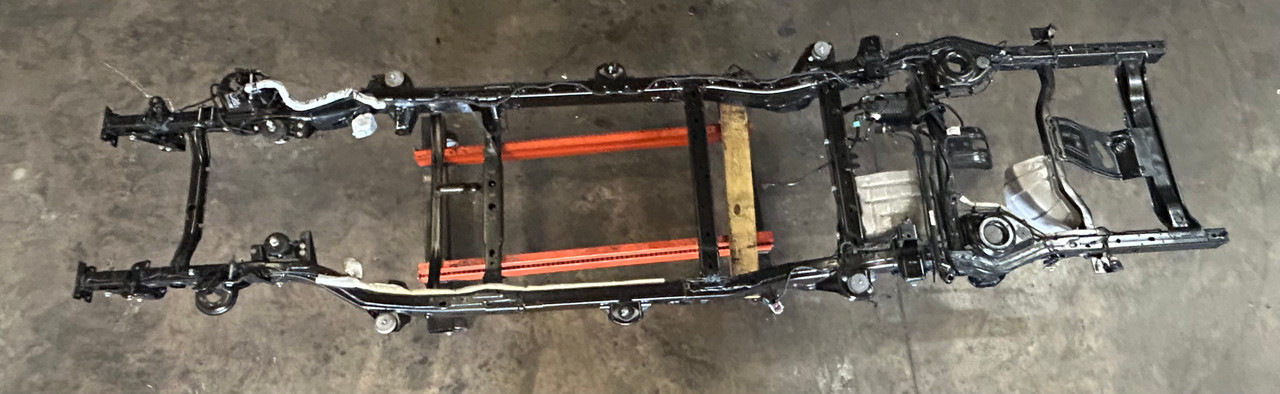
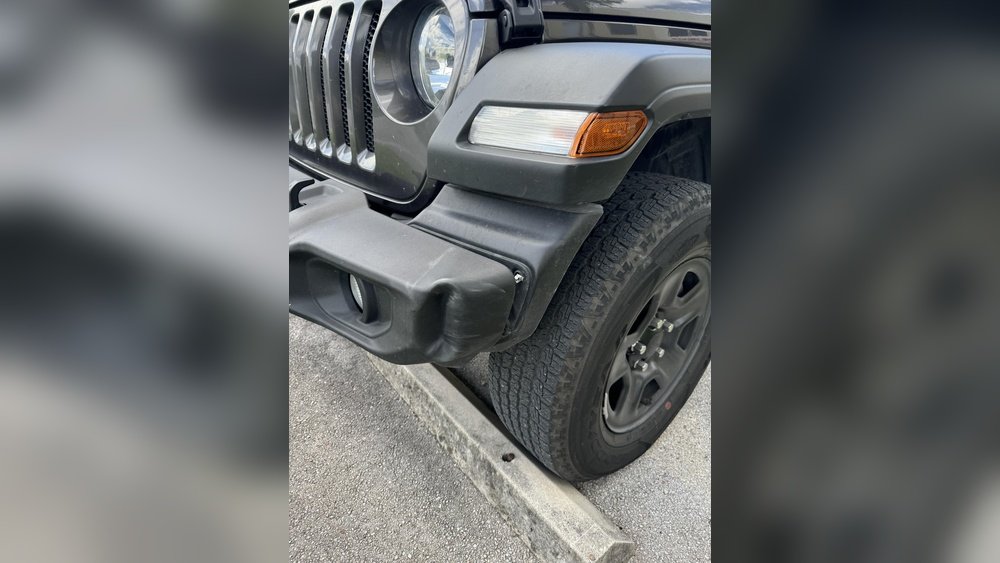
The Jeep Gladiator stands out among pickup trucks for its unique blend of off-road capability and utility. If you’re curious about what frame the Gladiator uses, you’re not alone.
The frame is the backbone of any vehicle—it affects strength, ride, handling, and even towing. Many Jeep fans and truck buyers want to know: Is the Gladiator built like a Wrangler, a traditional truck, or something else?
Understanding the Gladiator’s frame helps you know how tough it really is, how it handles, and why it’s trusted for both adventure and work.
What Frame Does The Jeep Gladiator Use?
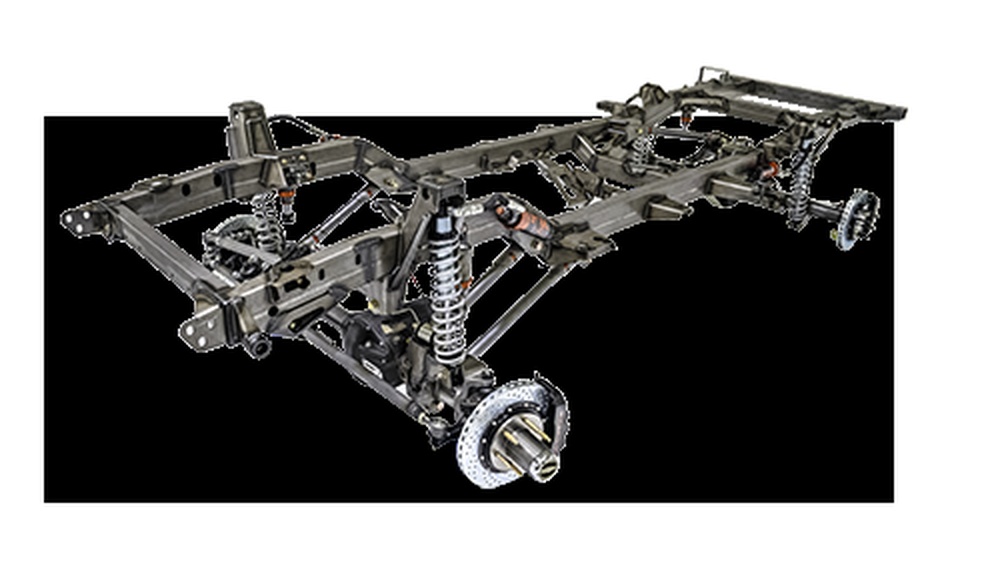
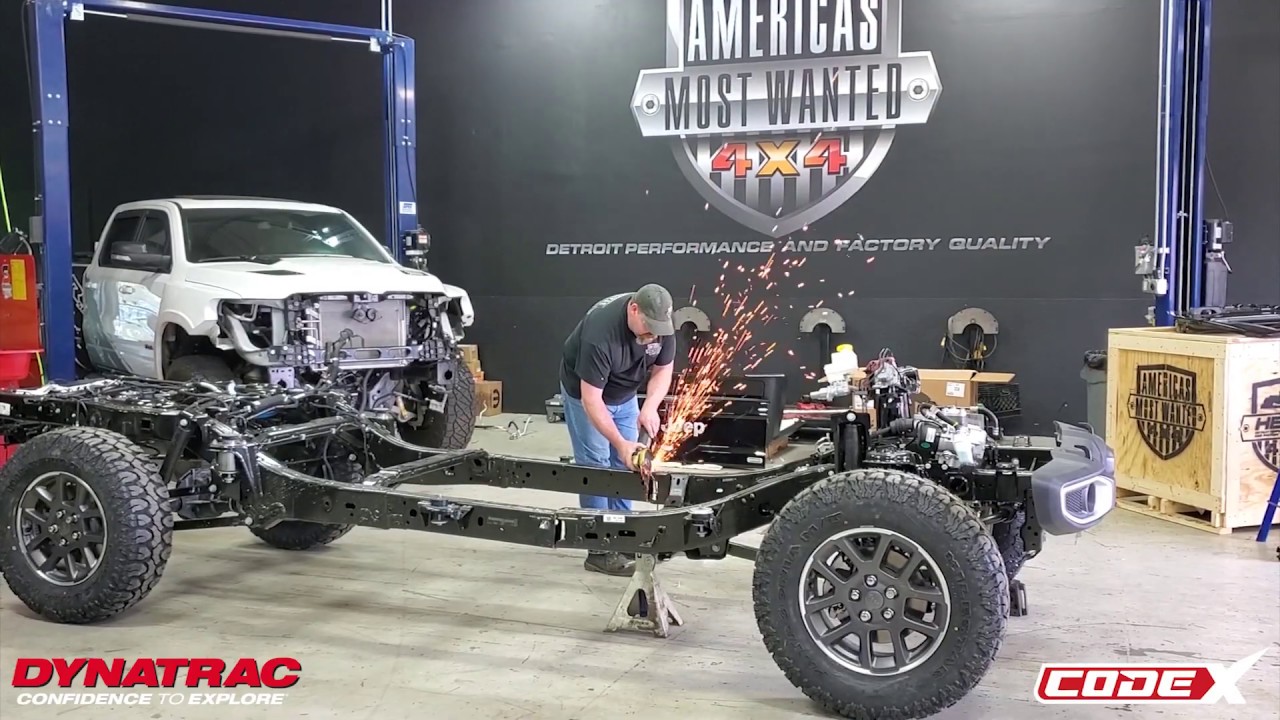
The Jeep Gladiator uses a specialized body-on-frame design. This means the body and cabin are mounted on top of a strong, separate steel frame. It’s different from “unibody” designs, where the body and frame are combined. Jeep engineers took the Wrangler JL frame as a starting point but made changes to fit the Gladiator’s longer bed and extra payload needs.
Key Features Of The Gladiator Frame
- High-strength steel construction for durability and safety
- Boxed frame rails for better rigidity and strength
- Extended wheelbase (218 inches total length, 137.3-inch wheelbase)
- Four cross-members for added support, especially for towing and hauling
The frame isn’t just a copy of the Wrangler’s. Jeep stretched the frame and reinforced it to handle heavier loads.
This makes it stronger than most midsize truck frames, especially for off-roading.
Gladiator Frame Vs. Wrangler And Other Trucks
The Gladiator’s frame shares its roots with the Jeep Wrangler JL, but with notable differences. To help you compare, here’s a look at how the Gladiator stacks up against its sibling and competitors.
| Model | Frame Type | Wheelbase (in) | Payload (lbs) | Towing (lbs) |
|---|---|---|---|---|
| Jeep Gladiator | Body-on-frame | 137.3 | 1,700 | 7,700 |
| Jeep Wrangler JL | Body-on-frame | 118.4 | 1,200 | 3,500 |
| Toyota Tacoma | Body-on-frame | 127.4 | 1,685 | 6,800 |
| Ford Ranger | Body-on-frame | 126.8 | 1,860 | 7,500 |
You can see that the Gladiator’s frame is longer than the Wrangler’s. This allows for a full-size truck bed and greater towing.
Its frame strength is on par with other midsize pickups, but its off-road roots make it unique.
Why Body-on-frame Matters
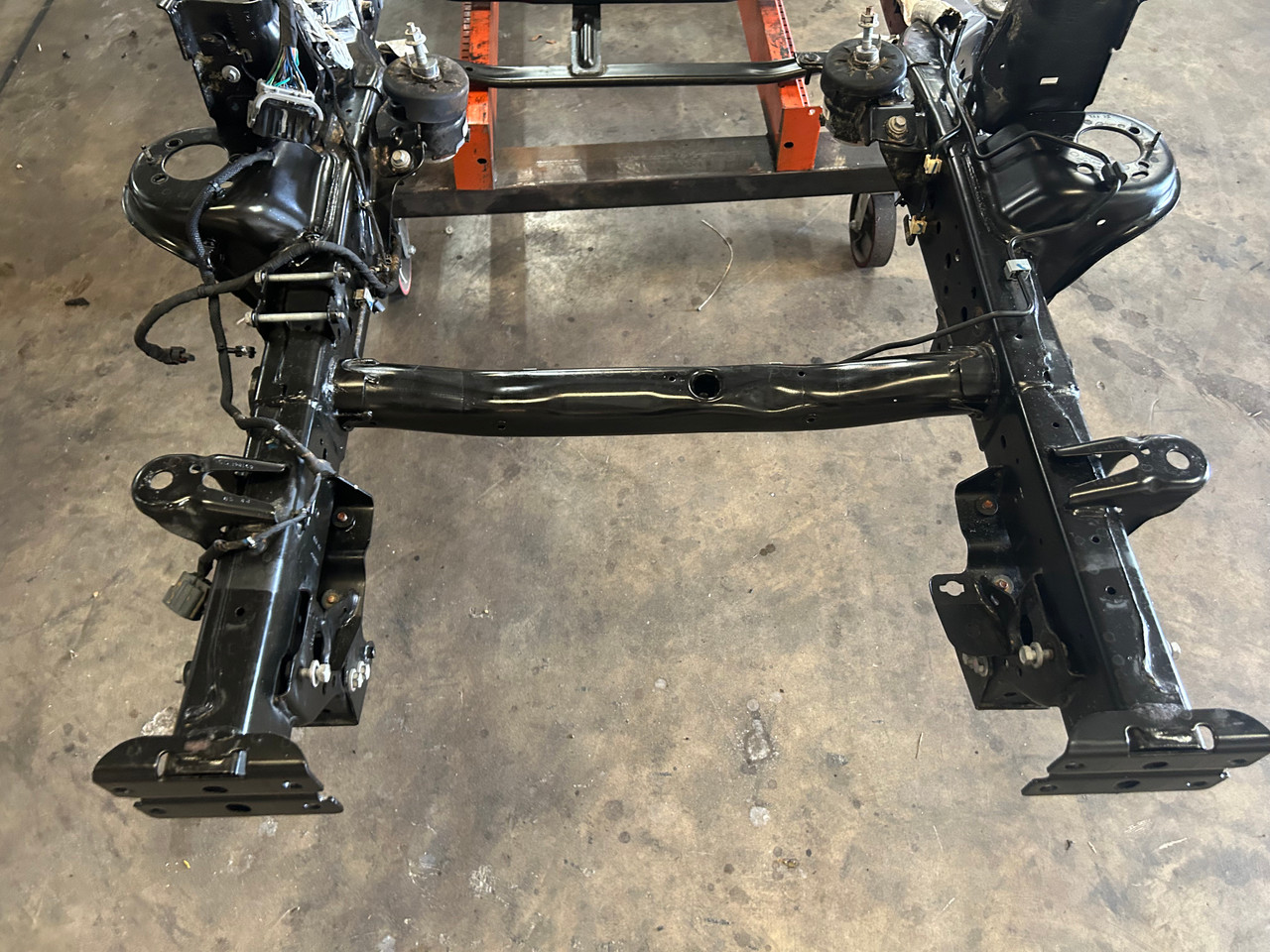
Body-on-frame construction is preferred for trucks and off-road vehicles. Here’s why:
- Durability: The separate frame absorbs impacts and rough terrain better.
- Flexibility: It allows for easy modification, like adding lifts or winches.
- Payload and Towing: Stronger frames handle heavier loads and towing trailers.
- Repairability: Damaged body panels can be replaced without touching the frame.
Most SUVs today use unibody frames for comfort, but the Gladiator sticks to body-on-frame for toughness.
Frame Design Details: What Makes Gladiator Unique?
Jeep didn’t just stretch a Wrangler frame—they engineered changes for the Gladiator’s needs.
- Extra cross-members: These help support the longer bed and increase stability when towing.
- Reinforced rear section: Designed for heavy hauling and off-road stress.
- Suspension mounts: Built to handle both coil springs (front and rear) for ride comfort and solid axles for rugged terrain.
These features make the Gladiator’s frame strong, but also flexible for off-road articulation. Unlike some trucks, it doesn’t use leaf springs in the rear.
This is rare in pickups and gives a smoother ride.
Gladiator Frame Vs. Full-size Trucks
Some buyers wonder if the Gladiator’s frame is as strong as a full-size truck, like the Ford F-150. Here’s a quick comparison:
| Model | Frame Material | Payload (lbs) | Towing (lbs) |
|---|---|---|---|
| Jeep Gladiator | High-strength steel | 1,700 | 7,700 |
| Ford F-150 | High-strength steel & aluminum | 3,325 | 14,000 |
Full-size trucks have larger frames for more payload, but the Gladiator’s frame is optimized for off-road use and midsize hauling.
Many buyers worry about frame strength, rust, and off-road capability. Here are two insights most beginners miss:
- Frame Flex: The Gladiator’s frame is built to flex when off-road, preventing damage. This is different from more rigid truck frames that can crack under stress.
- Coil Spring Suspension: The combination of body-on-frame and coil springs gives a rare balance of comfort and toughness. Most pickups use leaf springs, which are stiffer.
Real-world Performance: Frame Benefits
Drivers notice that the Gladiator’s frame gives:
- Better ride comfort than most midsize trucks
- Stable towing with minimal sway
- Excellent articulation for rock crawling
Owners also report fewer frame-related issues compared to older Jeep trucks. Proper maintenance, like regular rust checks, helps the frame last.