Every Jeep owner knows the thrill of tackling rough trails or cruising down highways, but not everyone thinks about the parts working hard behind the scenes. One of these vital components is the transfer case.
The transfer case keeps your Jeep’s four-wheel drive system running smoothly, sending power to both the front and rear axles. To do its job, it needs the right kind of fluid.
Using the wrong fluid can cause serious problems, so knowing what fluid goes in a Jeep transfer case is essential.
What Is A Transfer Case And Why Does Fluid Matter?
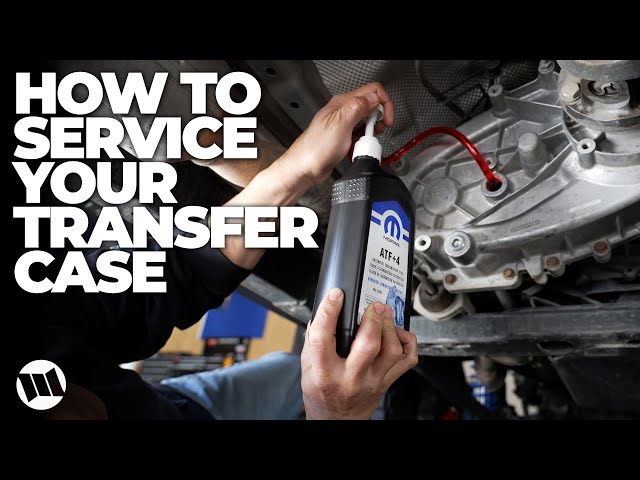
The transfer case sits between your Jeep’s transmission and drive axles. It allows you to switch between two-wheel drive and four-wheel drive, and sometimes low-range gearing for off-roading. Inside, there are gears and chains that need proper lubrication. The right fluid keeps these parts cool, reduces friction, and prevents wear. If you use the wrong type, you risk damaging gears, causing leaks, or even losing 4WD ability.
Not all transfer cases are the same. Jeeps have used various types over the years, from the NP231 in older Wranglers to modern electronic systems in Grand Cherokees. Each type may need a specific fluid.
Common Jeep Transfer Case Fluids
Jeep transfer cases generally use either Automatic Transmission Fluid (ATF) or specialized transfer case fluid. Here’s a comparison of the most common fluids and which Jeep models use them:
| Transfer Case Model | Common Fluid Type | Jeep Models/Years |
|---|---|---|
| NP231 | ATF+4 | Wrangler (YJ, TJ), Cherokee (XJ) |
| NP242 | ATF+4 | Cherokee, Grand Cherokee |
| NV247/NV245 | Mopar NV245/NV247 fluid | Grand Cherokee (WJ, WK) |
| BW44-44 | Mopar BW44-44 fluid | Grand Cherokee (WK2) |
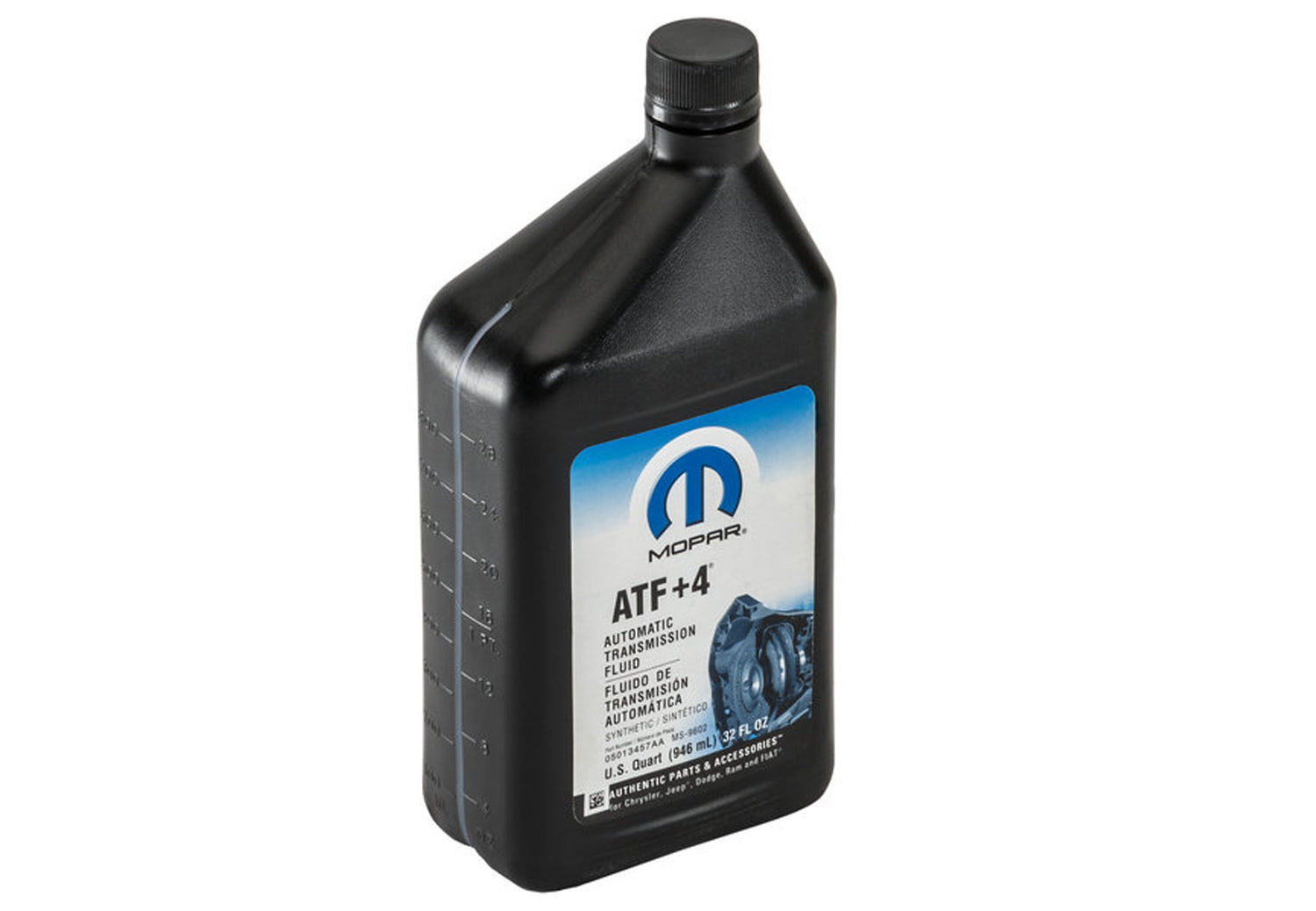
ATF+4 is a common requirement for many older and some current Jeep models. Newer transfer cases often require a dedicated Jeep or Mopar-branded fluid.
How To Identify The Right Fluid For Your Jeep
Before you buy any fluid, check your Jeep’s owner’s manual. Jeep often changes specifications between models and years. If you don’t have the manual, you can find information on the manufacturer’s website or by checking the label on the transfer case itself.
Here are some quick tips to help you choose:
- Year and Model: Know your Jeep’s year, model, and 4WD system.
- Transfer Case Model: If possible, find the exact transfer case model (often stamped on the case).
- Official Recommendations: Mopar fluids are usually safest for newer Jeeps.
- Avoid Universal Fluids: Generic or “universal” fluids may not meet Jeep’s strict requirements.
| Fluid Type | Pros | Cons |
|---|---|---|
| ATF+4 | Easy to find; works for many Jeeps | Not for all transfer cases |
| Specialized Jeep Fluid | Guaranteed compatibility; best protection | More expensive; harder to find |
| Universal Transfer Case Fluid | Cheap; available everywhere | May cause wear or noise in some Jeeps |
Fluid Change: How Often And How Much?
Changing transfer case fluid is not an everyday job, but it’s more important than many people realize. Jeep recommends changing the fluid every 30,000 to 60,000 miles, depending on your model and driving habits. If you use your Jeep for off-roading or towing, more frequent changes are wise.
The amount of fluid you need varies, but most Jeep transfer cases hold 1.5 to 2 quarts. Never overfill; too much or too little fluid can harm the system.
How To Change Jeep Transfer Case Fluid
Here’s a simple step-by-step process for most Jeep models:
- Gather Supplies: Correct fluid, socket set, drain pan, hand pump.
- Locate Fill and Drain Plugs: Usually on the rear or side of the transfer case.
- Remove Fill Plug First: Ensures you can refill after draining.
- Drain Old Fluid: Remove the drain plug, let fluid empty into the pan.
- Inspect Old Fluid: Look for metal shavings or burnt smell (signs of wear).
- Replace Drain Plug: Tighten securely.
- Add New Fluid: Use a hand pump to fill until fluid just starts to run out the fill hole.
- Install Fill Plug: Tighten to spec.
Changing fluid is a good time to check for leaks or loose bolts. Beginners often forget to check the fill plug first—always make sure you can get it open before draining!
What Happens If You Use The Wrong Fluid?
Using the wrong fluid in your Jeep’s transfer case can lead to:
- Slipping: 4WD may not engage properly.
- Noise: Grinding or whining can start.
- Leaks: Seals may swell or shrink.
- Premature Wear: Gears and chains can wear out early.
Some issues appear quickly, while others take months to show. Always double-check before you fill.
Two Common Mistakes Beginners Make
- Mixing Old and New Fluids: Always drain completely. Mixing can cause poor lubrication or chemical reactions.
- Ignoring Transfer Case When Servicing: Many Jeep owners forget the transfer case during routine maintenance. It’s as important as oil or transmission fluid.
Where To Buy Jeep Transfer Case Fluid
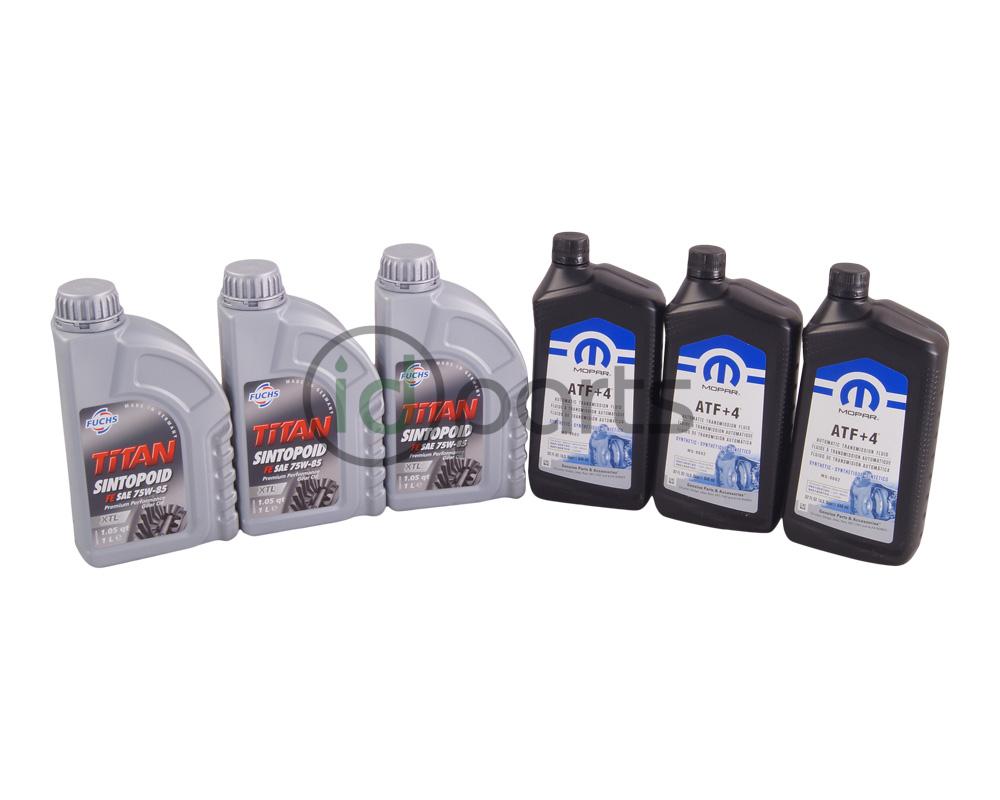
The safest choice is your local Jeep dealership or trusted auto parts store. Online retailers also stock Mopar fluids. For exact specs, check the official Mopar website.
Frequently Asked Questions
What Is The Best Fluid For A Jeep Wrangler Transfer Case?
Most Jeep Wrangler models with NP231 or NP242 transfer cases use ATF+4. Always check your manual for your specific year and model.
Can I Use Regular Atf In My Jeep’s Transfer Case?
Not always. Some older Jeeps can use standard ATF, but most modern Jeeps require ATF+4 or a dedicated transfer case fluid. Using the wrong type can cause damage.
How Often Should I Change Transfer Case Fluid?
Change every 30,000 to 60,000 miles. If you often off-road, tow, or drive in harsh conditions, do it more often.
What Are Signs My Transfer Case Fluid Needs Changing?
Look for strange noises, difficulty shifting into 4WD, or fluid that looks dirty or smells burnt.
Can I Mix Different Brands Of Transfer Case Fluid?
Mixing brands is risky unless they meet the exact Jeep specs. Never mix different types (ATF, gear oil, Mopar fluid), as this can cause serious problems.
Maintaining the right fluid in your Jeep transfer case keeps your four-wheel drive system strong and reliable. Taking a few minutes to check the correct type and changing it on schedule can save you from expensive repairs and keep your adventures worry-free.