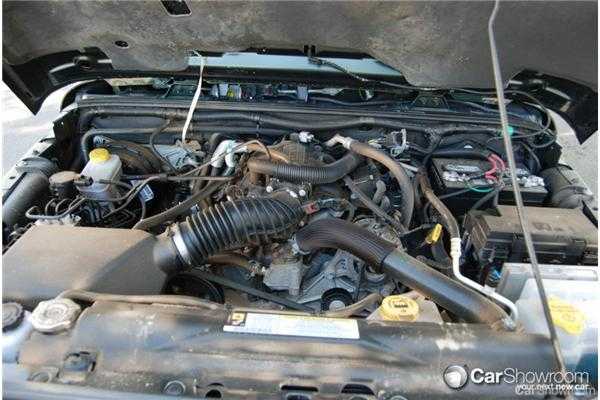
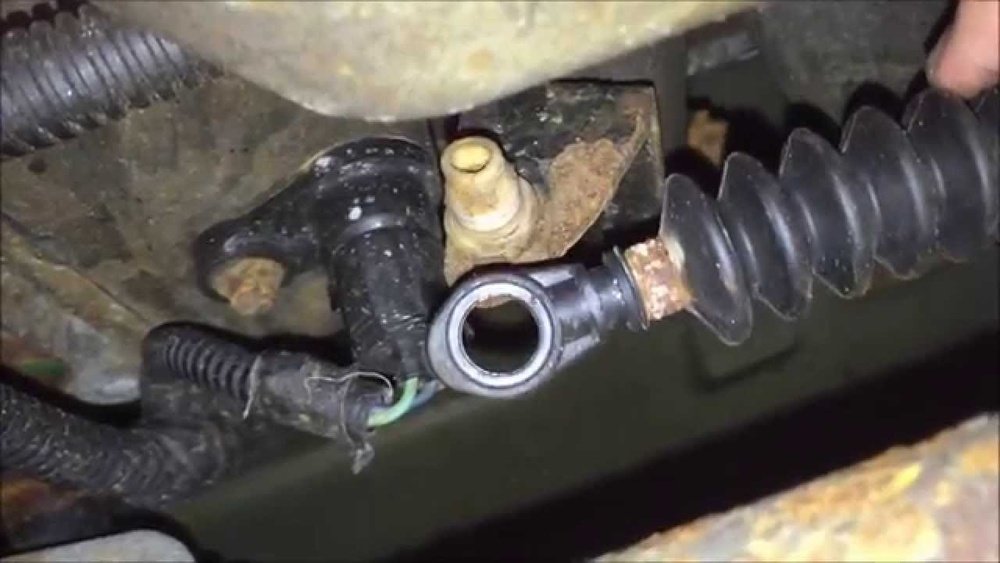
The 2010 Jeep Wrangler is a classic off-road vehicle known for its rugged build and adventure-ready features. For many buyers and enthusiasts, understanding what engine powers this model is important.
The engine affects performance, reliability, and even the cost of ownership. If you’re looking to buy, maintain, or simply learn more about the 2010 Wrangler, this article will give you clear, simple, and complete information.
Engine Options In The 2010 Jeep Wrangler
The 2010 Jeep Wrangler comes with one main engine. All trims and versions use the same base engine, but there are differences in transmission and drivetrain. Let’s break down the engine details.
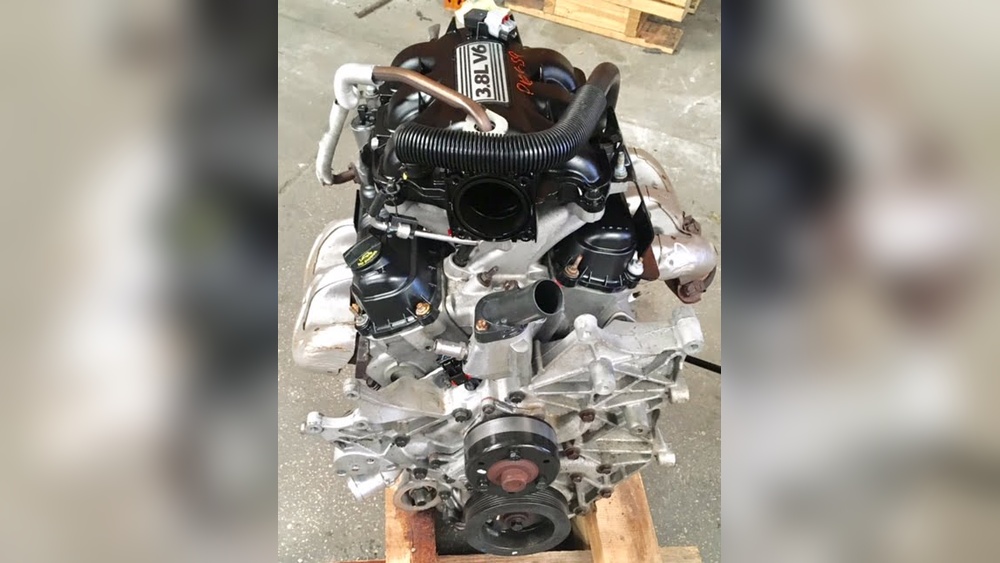
The 3.8-liter V6 Engine
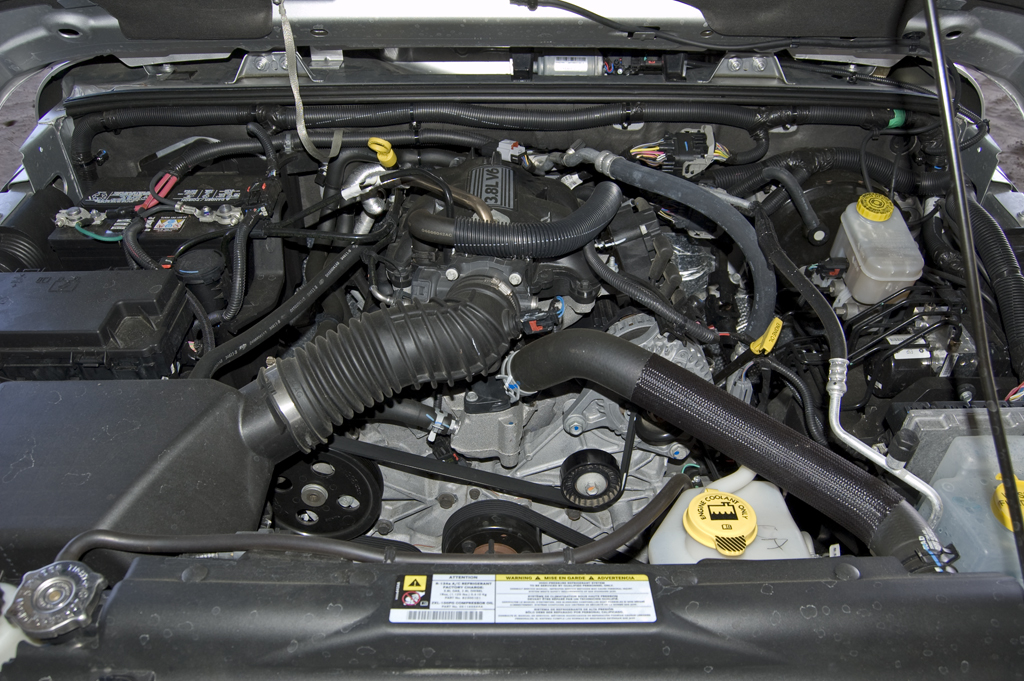
The only engine for the 2010 Jeep Wrangler is the 3.8-liter V6. This engine is called the Chrysler EGH. It was used in several Chrysler vehicles, but in the Wrangler, it is tuned for off-road strength.
- Displacement: 3.8 liters (3,778 cc)
- Configuration: V6, naturally aspirated
- Horsepower: 202 hp at 5,200 rpm
- Torque: 237 lb-ft at 4,000 rpm
- Fuel System: Sequential multi-port fuel injection
- Compression Ratio: 9.6:1
- Block Material: Cast iron
- Cylinder Head Material: Aluminum
This engine is not turbocharged or supercharged. It’s a simple V6 with a strong focus on durability.
Transmission Pairings
You can choose between two transmissions for the 2010 Wrangler:
- 6-speed manual
- 4-speed automatic
Both transmissions pair well with the V6 engine. The manual is popular for off-road control, while the automatic is easier for daily driving.
Drivetrain Choices
The 2010 Wrangler is available in:
- 4×4 (four-wheel drive)
- 2WD (rear-wheel drive) for some special models
Most Wranglers are 4×4, which makes them great for rough terrain.
Performance And Fuel Economy
Many buyers want to know how the engine performs. Here’s a look at the numbers:
| Model | Transmission | Horsepower | Torque | EPA mpg (city/highway) |
|---|---|---|---|---|
| Wrangler Sport | Manual | 202 hp | 237 lb-ft | 15/19 |
| Wrangler Sahara | Automatic | 202 hp | 237 lb-ft | 15/18 |
| Wrangler Rubicon | Manual | 202 hp | 237 lb-ft | 15/19 |
The fuel economy is not very high. Wranglers focus on power and off-road ability, so you get lower mpg compared to smaller SUVs. Most drivers report real-world mpg as 14–17.

Engine Reliability And Maintenance
The 3.8-liter V6 is known for being reliable but has a few common issues:
- Oil consumption: Some engines use oil faster than others. Check oil levels often.
- Valve cover leaks: Over time, gaskets can leak.
- Cooling system problems: Radiator and water pump are weak points.
Regular maintenance keeps the engine running well. Use quality oil, and follow Jeep’s service schedule.
Maintenance Costs
Compared to newer engines, the 3. 8-liter is simple and easier to fix. Parts are common and not expensive.
| Maintenance Task | Estimated Cost (USD) | Frequency |
|---|---|---|
| Oil Change | $40–$70 | Every 5,000 miles |
| Spark Plug Replacement | $90–$130 | Every 30,000 miles |
| Cooling System Flush | $80–$120 | Every 60,000 miles |
Real-world Driving Experience
The 3. 8 V6 is not fast, but it’s dependable.
You can climb hills, drive through mud, and tow small trailers. In city traffic, acceleration is average.
On highways, passing power is enough, but you will not win any races.
One thing beginners miss is the engine’s sound. The V6 is louder than many modern engines, especially when accelerating. This is normal for Wranglers. Another detail is the torque curve. The engine makes most of its torque at low RPMs, which helps with off-road driving.
Upgrade And Swap Options
Some owners want more power. You can swap the engine, but it’s expensive and not simple. Popular swaps include the 5.7-liter Hemi V8 or a modern 3.6-liter Pentastar V6. However, these require special parts and expert installation.
Upgrading with a cold air intake or performance exhaust can give small gains in power and sound. Always check if upgrades affect warranty or emissions.
Comparison With Other Jeep Engines
When comparing the 3.8-liter V6 to other Jeep engines, here’s what you need to know:
| Engine | Year Range | Horsepower | Torque | Fuel Economy |
|---|---|---|---|---|
| 3.8L V6 | 2007–2011 | 202 hp | 237 lb-ft | 15/19 |
| 3.6L Pentastar V6 | 2012–present | 285 hp | 260 lb-ft | 17/21 |
| 2.4L I4 | 2003–2006 | 147 hp | 165 lb-ft | 16/20 |
The newer Pentastar V6 is stronger and more efficient. The 3.8 V6 is simpler and easier to maintain.