Owning a Jeep Wrangler feels like joining a club. But if you’re new to the world of Jeeps, you might see “YJ” and wonder what it means.
Some Jeep fans use “YJ” all the time, but many drivers have no idea what it stands for, or why it matters. Let’s dig into the story behind the YJ code, what makes it different from other Wranglers, and why it’s become a big deal in the off-road community.
What Does Yj Stand For?
The YJ is a model code used by Jeep for the first generation of the Wrangler, built from 1986 to 1995. In simple terms, “YJ” does not stand for a phrase or acronym; it’s just an internal code used by Jeep. This code was assigned to differentiate the new Wrangler from earlier Jeep models, especially the CJ series.
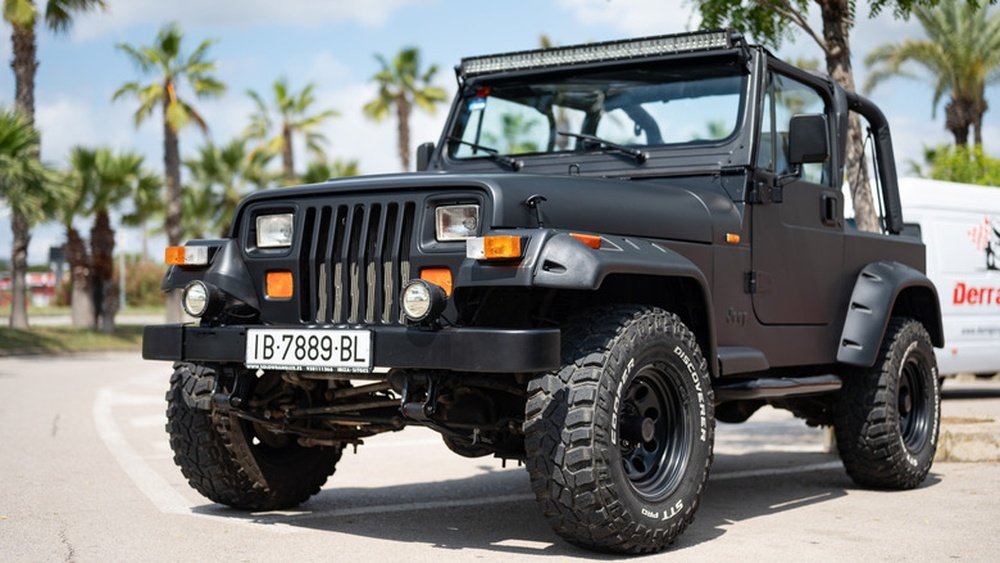
Many people think “YJ” must mean something special, like “Young Jeep” or “Yankee Jeep,” but those are myths. Jeep used “YJ” as a factory designation. Later generations got their own codes, like TJ and JK.
Key Features Of The Yj Wrangler
The YJ Wrangler introduced several changes compared to the older CJ models. Let’s look at what sets the YJ apart:
- Square headlights: The most obvious feature. YJ Wranglers are the only Wranglers with square headlights, making them easy to spot.
- Improved comfort: YJ models got better seats, more comfortable interiors, and more modern dashboard designs.
- Safety upgrades: The YJ included features like a wider track, better roll bars, and improved suspension for safer driving.
- Engine options: Early YJs had a 2.5L four-cylinder engine or a 4.2L six-cylinder. Later models switched to a 4.0L six-cylinder, which became popular for its reliability.
- Leaf spring suspension: The YJ kept the old-style leaf springs, which are strong for off-roading but not as smooth as coil springs found in newer Wranglers.
Here’s a quick comparison between the YJ and the older CJ models:
| Feature | Jeep CJ | Jeep YJ |
|---|---|---|
| Headlights | Round | Square |
| Suspension | Leaf springs | Leaf springs (improved) |
| Interior comfort | Basic | Modernized |
| Safety features | Minimal | Enhanced |
Why Is The Yj Unique?
The YJ Wrangler stands out because it marked a big change for Jeep. The square headlights were controversial—some fans hated them, others loved the new look. But the YJ also brought practical improvements:
- Easier daily driving: The YJ was built to be better on highways and city streets, not just dirt trails.
- More reliable engines: Especially the later 4.0L models, which are still known for lasting hundreds of thousands of miles.
- Affordable entry: Used YJs are often cheaper than other Wranglers, making them a good choice for beginners.
Not many vehicles have such a visible “generation marker. ” The square headlights are now a symbol of the YJ era.
Comparing Yj With Other Wrangler Generations
To understand the YJ better, it helps to compare it with the next generations. Here’s how the YJ stacks up against the TJ and JK Wranglers:
| Model | Years Produced | Headlights | Suspension | Main Engine |
|---|---|---|---|---|
| YJ | 1986–1995 | Square | Leaf springs | 4.0L I6 |
| TJ | 1997–2006 | Round | Coil springs | 4.0L I6 |
| JK | 2007–2018 | Round | Coil springs | 3.6L V6 |
The switch from leaf springs to coil springs in the TJ made Wranglers smoother to drive. The JK went even further, adding more comfort and technology.

Common Misconceptions About Yj
It’s easy to get confused by Jeep codes. Here are two things many beginners miss:
- YJ is not an abbreviation: It’s just a factory code, not a word or phrase.
- All YJs have square headlights: If you see square headlights on a Wrangler, it’s almost always a YJ.
Some people believe YJs are less capable off-road because of the leaf springs. In reality, many off-roaders still prefer YJs for their simple design and strong build.
Buying A Yj Wrangler: What To Look For
If you’re thinking of buying a YJ Wrangler, pay attention to these points:
- Rust: YJs are old, so check the frame and body for rust damage.
- Engine health: The 4.0L engines are reliable, but older ones may need maintenance.
- Suspension condition: Leaf springs wear out over time, especially on off-road vehicles.
- Electrical issues: Wiring can be a problem in older models.
- Aftermarket parts: Many YJs have been modified. Make sure changes are safe and legal.
Here’s a quick guide to the most reliable YJ years:
| Model Year | Main Engine | Notes |
|---|---|---|
| 1991–1995 | 4.0L I6 | Most reliable, fuel injection |
| 1987–1990 | 4.2L I6 | Carbureted, less efficient |
| 1987–1995 | 2.5L I4 | Good for economy, less power |


















