The Jeep Cherokee is one of the most recognizable SUVs in the world. If you spend any time around Jeep enthusiasts or browse forums, you’ll often see the term XJ.
Many new Jeep owners wonder: what does XJ mean for Jeep Cherokee? Let’s explore the history, meaning, and unique features of the XJ Cherokee, and why it matters to owners, buyers, and fans.
The Meaning Behind Xj
The term XJ is a factory code used by Jeep to identify the Cherokee model produced between 1984 and 2001. Jeep uses two-letter codes for many of its vehicles to simplify communication among engineers and dealerships. The XJ Cherokee became a legend due to its design, performance, and strong community.
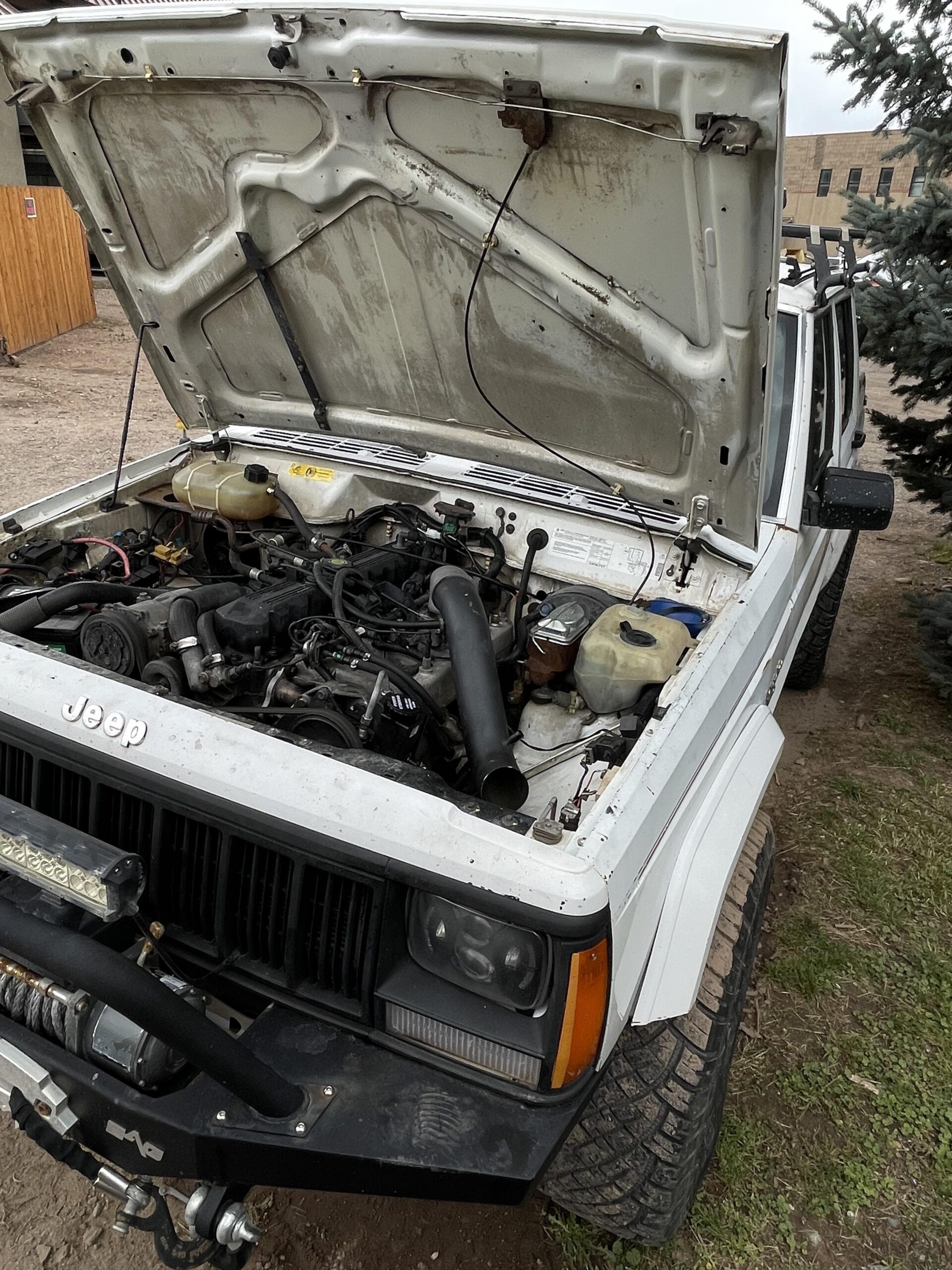
XJ doesn’t stand for any specific words. It’s simply a designation Jeep engineers used.
Over time, the code became popular among owners and is now a badge of pride.
Xj Cherokee: Key Features And Innovations
The XJ Cherokee changed the SUV market in several ways. Here’s what made it special:
- Unibody Construction: Unlike most SUVs at the time, the XJ used a unibody frame instead of a body-on-frame design. This made it lighter, more agile, and easier to handle on and off-road.
- Compact Size: The XJ was smaller than other SUVs but still offered good interior space. This made it easier to drive in cities and on trails.
- Strong Engines: The most famous engine is the 4.0L inline-six. It’s known for reliability and power. There were also four-cylinder and diesel options in some markets.
- 4WD Systems: The XJ came with different four-wheel-drive systems, including Command-Trac and Selec-Trac. These offered solid performance in tough conditions.
Below is a comparison of the XJ Cherokee’s specs versus other Jeep models of the era:
| Model | Years | Engine (Max HP) | Length | Frame Type |
|---|---|---|---|---|
| Cherokee XJ | 1984-2001 | 190 HP (4.0L) | 168.7 in | Unibody |
| Grand Cherokee ZJ | 1993-1998 | 220 HP (5.2L) | 178.1 in | Unibody |
| Wrangler YJ | 1987-1995 | 123 HP (2.5L) | 151.9 in | Body-on-Frame |
Why Xj Matters To Enthusiasts
The XJ Cherokee is more than just a vehicle code. It’s a symbol of ruggedness and adventure. Here’s why people love the XJ:
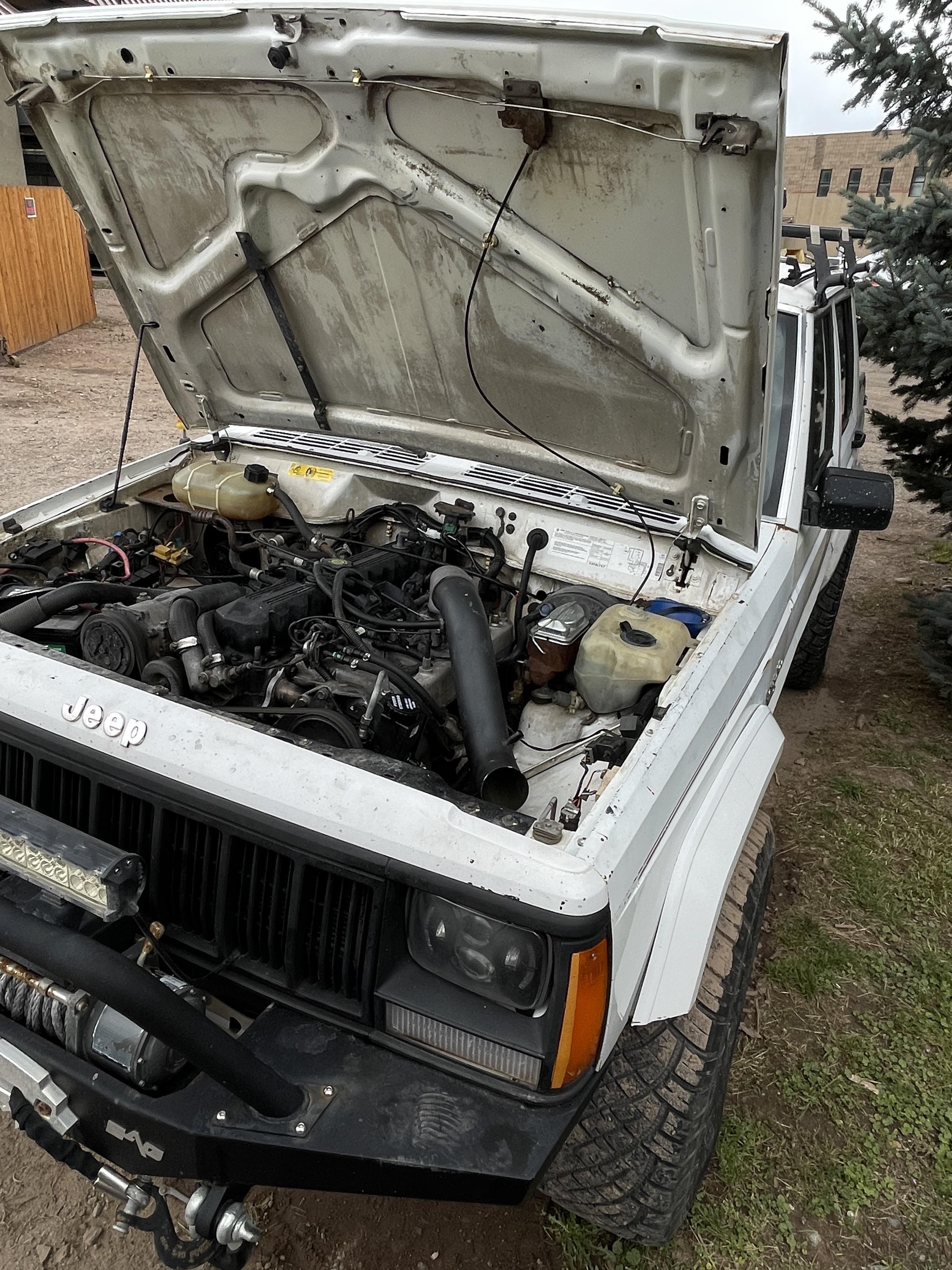
- Easy to Modify: The XJ’s simple design makes it popular for off-road modifications. Lift kits, bigger tires, and winches are common upgrades.
- Affordable Parts: Because so many XJs were sold, parts are easy to find and cheap.
- Reliability: Many XJs still run strong with over 200,000 miles.
- Community: Owners form groups, go on trail rides, and share tips online. The XJ is a favorite in Jeep clubs.
One overlooked insight is that the XJ’s unibody frame, while lighter, means you need to reinforce it for heavy off-road use. Many beginners miss this and risk damage if they push the vehicle too hard.
Common Misunderstandings About Xj
Many new Jeep fans confuse XJ with other codes. For example:
- ZJ refers to the Grand Cherokee (1993-1998).
- TJ is the Wrangler (1997-2006).
- KL is the modern Cherokee (2014+).
It’s important to know the difference. Calling a KL a “XJ” will confuse experienced Jeep owners.
Here’s a simple table showing Jeep model codes and their years:
| Code | Model | Years |
|---|---|---|
| XJ | Cherokee | 1984-2001 |
| ZJ | Grand Cherokee | 1993-1998 |
| TJ | Wrangler | 1997-2006 |
| KL | Cherokee | 2014-Present |

Buying An Xj Cherokee: What You Need To Know
If you’re thinking about buying an XJ Cherokee, pay attention to these factors:
- Rust: XJs are prone to rust, especially in the floor, rocker panels, and rear hatch. Inspect carefully.
- Transmission: The AW4 automatic is reliable. Manual options are rarer but fun to drive.
- Mileage: High miles are common, but regular maintenance keeps XJs running.
- Upgrades: Check if the XJ has aftermarket parts. Some mods improve performance; others may cause problems if done poorly.
A mistake many buyers make is ignoring the condition of the suspension. Because XJs are often used off-road, bushings and shocks may be worn out. Always check these before buying.
Xj Cherokee In Today’s Market
The XJ Cherokee remains popular with collectors and off-road fans. Prices are rising, especially for clean, low-mileage models.
In 2023, average sale prices for good-condition XJs ranged from $5,000 to $10,000, depending on year and upgrades.
Many owners use XJs for:
- Daily driving
- Trail adventures
- Camping trips
- Restoration projects
The XJ’s legacy is strong. Even after two decades, people seek them for their blend of simplicity, toughness, and classic Jeep style.
If you want detailed specs and history, the official Jeep site is a good resource: Jeep History.
Frequently Asked Questions
What Does Xj Stand For?
XJ is a factory code for the Jeep Cherokee made from 1984 to 2001. It doesn’t stand for any specific words.
Is The Xj Cherokee Good For Off-roading?
Yes, the XJ Cherokee is famous for off-road ability. Its light unibody and strong 4WD system make it ideal for trails, but heavy use may require frame reinforcement.
Are Xj Cherokee Parts Easy To Find?
Most XJ parts are affordable and easy to find. Many stores and online retailers offer new and used parts.
How Is Xj Different From Other Jeep Cherokees?
The XJ is smaller and lighter than modern Cherokees. It uses a unibody frame and has simpler technology.
Is The Xj Cherokee Reliable?
With proper care, an XJ Cherokee can last over 200,000 miles. Common issues include rust and worn suspension, but the engine and transmission are strong.
The XJ Cherokee is much more than an old SUV. It’s a community, a symbol of adventure, and a piece of Jeep history.
Whether you’re buying, restoring, or just curious, knowing what XJ means gives you a new respect for this iconic model.