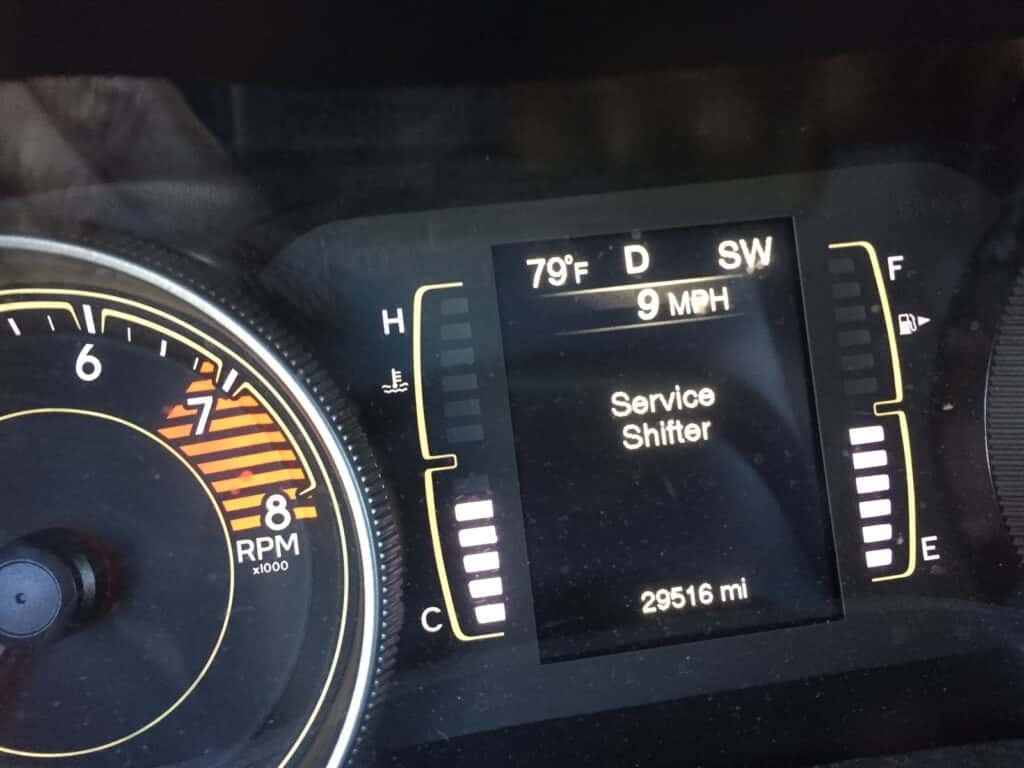
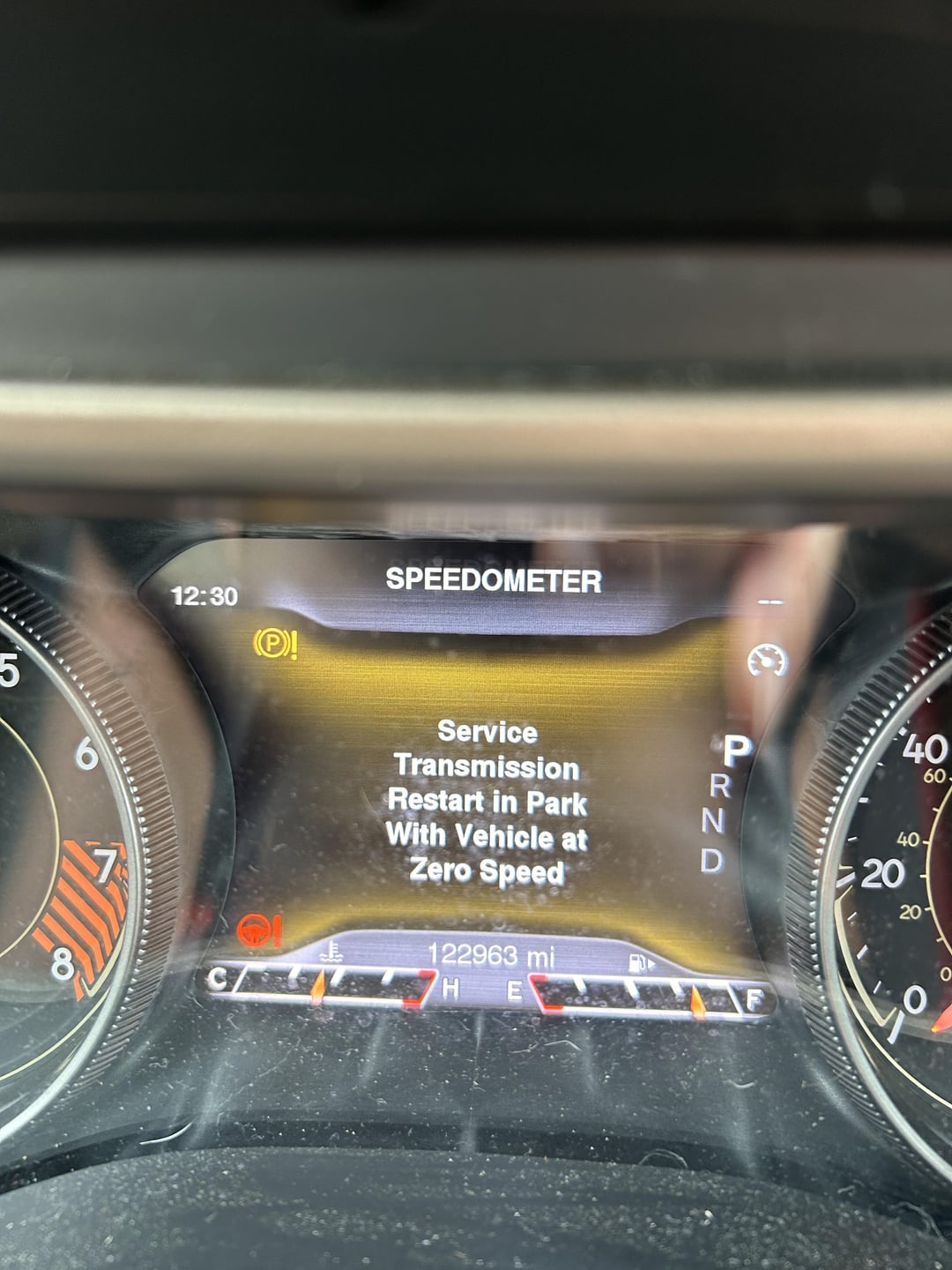
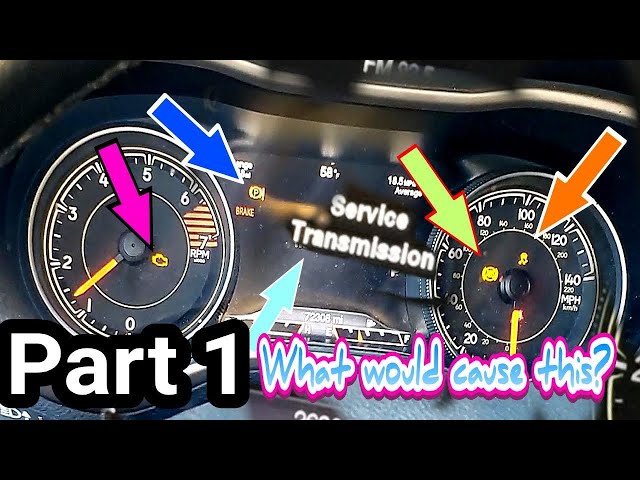
If you own a Jeep and see the Service Transmission message on your dashboard, it can be worrying. Many drivers are unsure what this warning means or how serious it is.
This guide will help you understand what the message means, what causes it, and what steps you should take to keep your Jeep safe and reliable.
What Does “service Transmission” Mean?
When your Jeep displays the Service Transmission warning, it’s telling you there may be a problem with the transmission system. The transmission is a vital part of your vehicle—it sends power from the engine to the wheels and controls your speed. If something goes wrong, the transmission cannot do its job correctly.
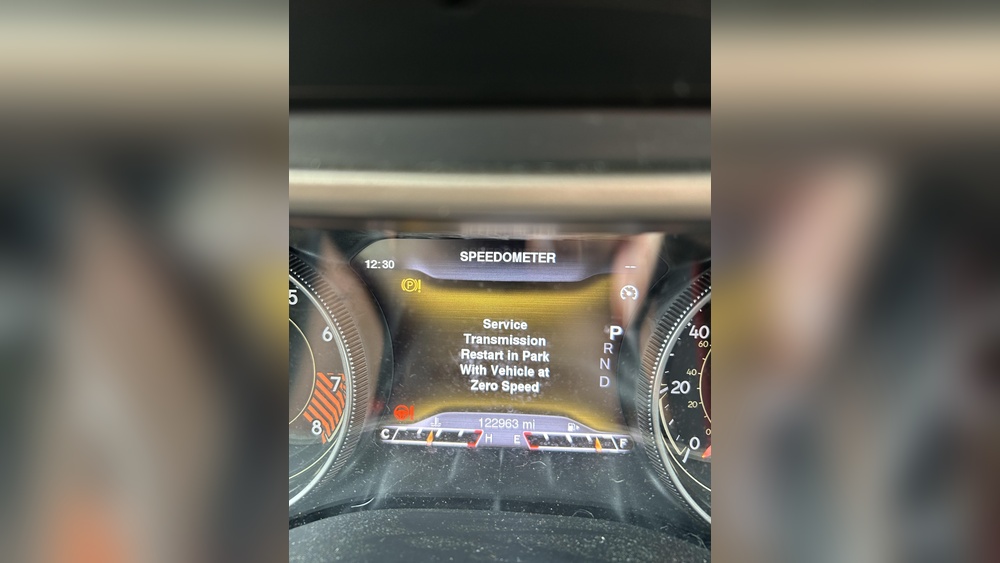
The message can appear for several reasons:
- A sensor detected abnormal data
- The transmission fluid is low or dirty
- Internal parts are wearing out
- The vehicle’s computer found a software issue
This warning does not always mean a complete failure. Sometimes, it’s a small fix like a fluid change.
But ignoring it can lead to serious, expensive damage.
Why Transmission Issues Matter
The transmission is one of the most important parts of your Jeep. If it fails, your vehicle may:
- Shift roughly or not at all
- Lose power while driving
- Make grinding or clunking noises
- Stop moving completely
Repairing a broken transmission can cost $1,800 to over $4,000 in the US. Early action can save you money and prevent breakdowns.
Common Causes Of The Service Transmission Message
Several problems can trigger the warning. Here are the most common causes:
1. Low Transmission Fluid
Transmission fluid cools and lubricates moving parts. If levels are low, gears can overheat or slip.
2. Dirty Or Old Fluid
Fluid gets dirty over time. This can cause slow or harsh shifting.
3. Faulty Sensors
Your Jeep uses sensors to monitor the transmission. If a sensor fails, the computer may see false problems.
4. Software Glitches
Modern Jeeps use computer systems. Sometimes, a software update or reset is needed.
5. Worn Clutches Or Gears
High mileage or rough driving can wear out internal parts, making shifting difficult.
6. Faulty Solenoids
Solenoids control the flow of fluid. If they stick, you may notice delayed gear changes.
7. Wiring Issues
Damaged wires or connectors can interrupt signals and cause the warning.
Jeep Transmission Warning Vs. Check Engine Light
Some Jeep owners confuse the Service Transmission message with the Check Engine Light. They are not the same. The transmission message is focused on gear problems, while the Check Engine Light covers many systems, including the engine and emissions.
Here’s a quick comparison:
| Warning | Systems Affected | Urgency |
|---|---|---|
| Service Transmission | Transmission and related parts | High |
| Check Engine Light | Engine, emissions, sensors | Medium to High |
If you see both lights together, the problem is more serious. Drive carefully and get help as soon as possible.
What To Do When The Service Transmission Message Appears
Taking the right steps can prevent bigger problems:
1. Stop Safely
If your Jeep shifts hard, won’t move, or you hear strange noises, pull over safely.
2. Check Transmission Fluid
Look at the fluid level and color. It should be pink or red, not brown or burnt.
3. Restart The Vehicle
Sometimes, restarting clears a temporary error. If the message returns, get it checked.
4. Drive Gently
Avoid high speeds, towing, or heavy loads until the issue is fixed.
5. Visit A Professional
A mechanic can read error codes with a scanner. They’ll find the root cause.
6. Don’t Ignore The Warning
Driving too long with transmission problems can ruin the system.
How Mechanics Diagnose Transmission Problems
Professionals use several tools and tests to find the problem:
- OBD-II Scanner: Reads error codes from the Jeep’s computer.
- Fluid Inspection: Checks color, level, and smell of transmission fluid.
- Road Test: Drives the Jeep to feel for slipping, jerking, or delays.
- Visual Check: Looks for leaks, broken wires, or damaged parts.
Here’s a quick overview of common diagnostic steps:
| Step | Purpose | Time Required |
|---|---|---|
| OBD-II Scan | Finds error codes | 10-20 mins |
| Fluid Check | Assesses fluid health | 5-10 mins |
| Road Test | Detects driving symptoms | 15-30 mins |
Preventing Transmission Problems In Your Jeep
You can reduce the chance of seeing the Service Transmission warning with good habits:
- Change transmission fluid every 30,000–60,000 miles (check your Jeep’s manual)
- Avoid hard acceleration and sudden stops
- Don’t tow more than the rated limit
- Warm up the vehicle in cold weather before driving
- Get regular check-ups from a trusted mechanic
A common mistake is ignoring fluid changes. Many drivers believe transmission fluid lasts forever, but it breaks down just like engine oil.
Another easy-to-miss tip: Small leaks can cause big problems over time. Even a few drops of fluid on your driveway mean you should get your Jeep checked soon.
Real-world Example
A 2017 Jeep Grand Cherokee owner saw the Service Transmission warning after driving through heavy rain. The dealer found water in a wiring connector, causing false signals. A quick cleaning and sealing fixed the issue. This shows not all transmission warnings mean expensive repairs—sometimes, the fix is simple.
Cost Of Fixing Service Transmission Issues
Repair costs depend on the problem. Here’s a comparison:
| Repair Needed | Average Cost (USD) | Repair Time |
|---|---|---|
| Fluid Change | $100 – $250 | 1 hour |
| Sensor Replacement | $150 – $350 | 1–2 hours |
| Solenoid Replacement | $300 – $850 | 2–4 hours |
| Transmission Rebuild | $1,800 – $4,500 | 2–4 days |
Getting a professional diagnosis early can keep costs lower.
Frequently Asked Questions