If you’ve seen the “Service Shifter” message pop up on your Jeep’s dashboard, you might be wondering what it means and how serious it is. This warning isn’t just a random alert—it’s your Jeep’s way of telling you there’s a problem with the gear shifter system.
Ignoring it could lead to trouble shifting gears or even leave you stranded. But don’t worry—you’re not alone, and understanding what “Service Shifter” means is the first step to fixing it. You’ll discover the common causes behind this warning, what you should do next, and how to get your Jeep back to smooth shifting.
Keep reading to protect your ride and avoid costly repairs down the road.
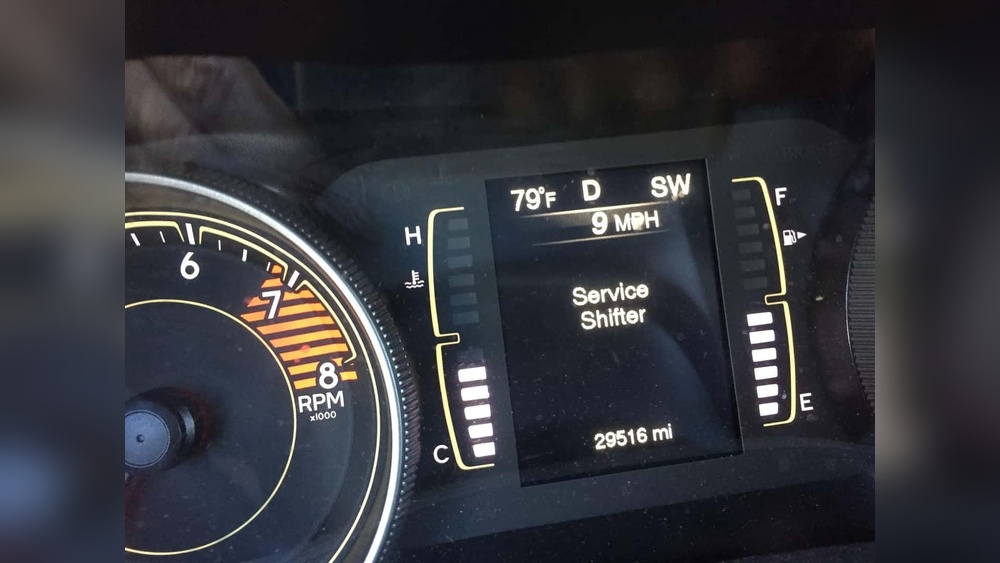
Service Shifter Warning Explained
The “Service Shifter” warning is a message Jeep drivers may see on the dashboard. It signals an issue with the vehicle’s gear shifter system. This warning often means the electronic shifter is not working correctly.
The warning is important. Ignoring it can cause problems with shifting gears. The Jeep may become hard to control or even stop moving.
What The Warning Means
The warning means the vehicle’s computer found a problem with the shifter. The issue is usually electrical or related to communication between parts.
Common causes include a faulty shifter module, damaged wiring, or low battery voltage. These faults can stop the shifter from working properly.
The warning helps prevent bigger problems. It tells you to check the shifter system soon.
How It Affects Your Jeep
The warning can change how your Jeep drives. You may find it hard to shift gears manually.
Sometimes, the Jeep may stay stuck in one gear. This limits your control over the vehicle.
In worse cases, the Jeep might lose power or fail to move. This can be dangerous on the road.
Paying attention to the warning keeps your Jeep safer and avoids costly repairs.
Common Causes Of Service Shifter Issues
The “Service Shifter” warning on a Jeep often signals issues with the vehicle’s electronic shifting system. Understanding the common causes helps in identifying the problem quickly. These causes usually relate to electrical faults or physical damage to parts involved in gear shifting.
Addressing these issues early can prevent further damage and keep your Jeep running smoothly. Here are the main reasons why this warning may appear.
Faulty Shifter Bezel And Module
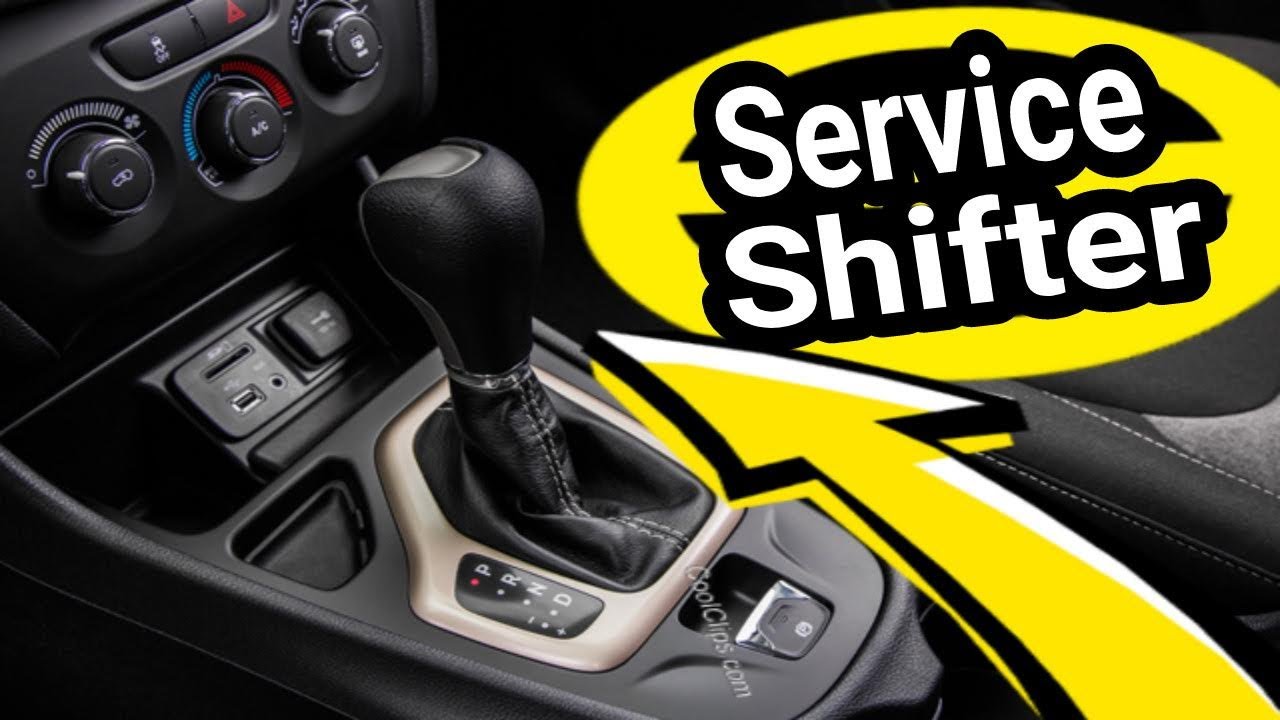
The shifter bezel is the plastic frame around the gear shifter. Inside, it contains electronic components that control shifting. Over time, these parts can wear out or get damaged. This causes the system to send incorrect signals to the vehicle’s computer. A faulty bezel or module often leads to the “Service Shifter” alert.
Damaged Wiring Harness
The wiring harness connects the shifter to the transmission and other systems. Wires can become frayed, loose, or broken due to wear or accidents. Damaged wiring interrupts communication between parts. This results in shifting errors and triggers the warning message.
Low Battery Voltage
The electronic shifter depends on stable voltage from the battery. A weak battery or failing alternator causes voltage drops. These drops can create false faults in the shifter’s electronics. Low battery voltage is a common cause of the warning light appearing unexpectedly.
Symptoms Of A Service Shifter Problem
Symptoms of a service shifter problem in a Jeep show up clearly. These signs warn drivers about possible issues with the electronic gear shifter. Recognizing these symptoms early helps avoid bigger problems. The Jeep may behave differently, and the driver will notice changes in how it shifts or drives.
Knowing these symptoms can help you decide when to get professional help. Ignoring the warning might lead to more serious damage or unsafe driving conditions.
Dashboard Lights And Messages
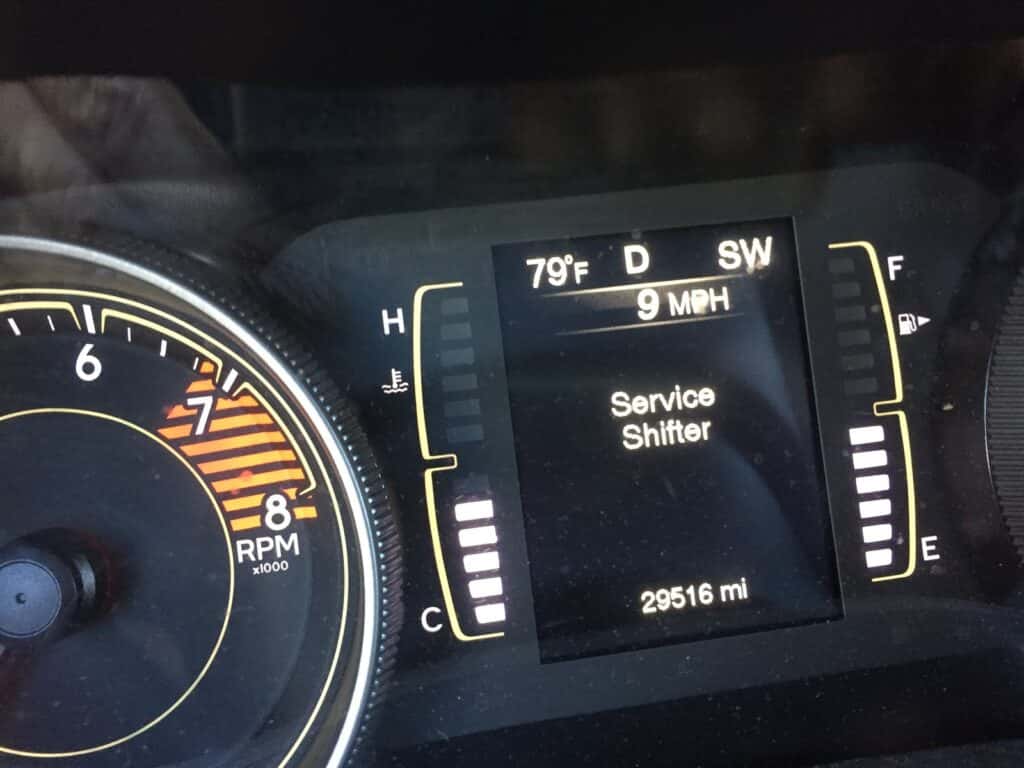
The most obvious symptom is a warning light on the dashboard. The message may say “Service Shifter” or show a gear icon. This alert tells you there is a problem with the shifter system. It may flash or stay on, signaling a fault that needs attention.
Sometimes, the dashboard may display additional messages about transmission or gear problems. These warnings appear to keep you informed about the vehicle’s status.
Difficulty Shifting Gears
You might find it hard to change gears smoothly. The shifter may feel stuck or not respond correctly. Shifting delays or jerks can happen, making driving uncomfortable. The Jeep might refuse to go into certain gears or stay in one gear longer than usual.
This difficulty usually points to an electrical or mechanical issue with the shifter module. It can affect both automatic and manual gear changes.
Unexpected Power Loss
The Jeep may lose power suddenly while driving. This loss can feel like the engine is weak or the vehicle slows down without warning. Power loss happens because the transmission is not shifting properly. The car may go into a “limp mode” to protect itself from damage.
Unexpected power drops make driving unsafe and can cause accidents if not addressed quickly.
Diagnosing The Problem
The “Service Shifter” message on a Jeep signals an issue with the electronic gear shifter. Diagnosing the problem quickly helps avoid further damage. This section explains simple steps to identify the root cause. Each step targets common trouble spots in the shifter system.
Checking Battery Health
The battery powers all electronic components in your Jeep. A weak or failing battery can cause the shifter to malfunction. Use a multimeter or visit an auto store to test battery voltage. A healthy battery should read around 12.6 volts when the engine is off. Voltage below 12 volts often triggers electronic errors. Replace or recharge the battery if the voltage is low.
Running Electronic Diagnostics
Electronic diagnostics reveal error codes from the vehicle’s computer. Use an OBD-II scanner to check for transmission or shifter faults. These codes help pinpoint the exact problem. Many auto shops offer this service for free or a small fee. The scan may show issues with sensors, modules, or software glitches. Clearing codes and retesting after repairs ensures the problem is fixed.
Inspecting Wiring And Connectors
Wiring connects the shifter module to the transmission and computer. Loose or damaged wires cause communication failures. Visually inspect wiring harnesses near the shifter and transmission. Look for frayed wires, corrosion, or loose connectors. Secure any loose plugs and clean dirty contacts. Repair or replace damaged wiring to restore proper signals. This step often solves intermittent shifter problems.
Repair And Maintenance Options
The “Service Shifter” message on a Jeep signals a problem with the gear shifter system. Repair and maintenance options vary depending on the root cause of the issue. Addressing these problems quickly helps avoid further damage and keeps the vehicle safe to drive. Below are common repair choices that Jeep owners and mechanics consider.
Replacing The Shifter Module
The shifter module includes the plastic bezel and internal electronics. Over time, these parts can wear out or fail. Replacing the module often fixes the “Service Shifter” warning. The new module restores proper gear shifting and communication with the transmission. This repair requires removing the old part and installing the new one carefully.
Fixing Wiring Issues
Wiring problems are a common cause of the “Service Shifter” alert. Frayed wires or damaged connectors can interrupt signals between the shifter and vehicle computer. A mechanic checks the wiring harness for faults and repairs or replaces damaged sections. Proper wiring ensures clear communication and avoids false warning messages.
Software Updates And Resets
Sometimes, the issue lies in the vehicle’s software. Electronic systems may have bugs or need a reset to work correctly. Dealers or technicians use diagnostic tools to update or reset the Jeep’s software. This process often clears error codes and restores normal shifter function. Software fixes can be a quick and effective solution.
Cost Factors For Service Shifter Repairs
Repairing the service shifter on a Jeep can vary widely in cost. Several factors influence the final price of fixing this electronic gear shifter issue. Understanding these cost factors helps Jeep owners prepare for the repair process without surprises.
Costs depend on the parts needed, labor charges, and where the repair is done. Warranty status and recalls may also reduce or eliminate expenses. Each of these elements plays a role in the total repair bill.
Parts And Labor Estimates
Parts for the service shifter repair include the shifter bezel, wiring harness, or the shifter module itself. These parts vary in price depending on the Jeep model and year. Labor costs also vary based on repair complexity and shop rates. Simple fixes may take less time, lowering labor fees. Complex electrical issues require more diagnostic work, increasing labor costs.
Dealer Vs. Independent Mechanic
Dealership repairs usually cost more than independent mechanics. Dealers use original equipment manufacturer (OEM) parts and have specialized tools. Independent shops may offer lower labor rates and use aftermarket parts. Choosing a mechanic depends on budget and trust in repair quality. Independent mechanics can provide affordable service with good results for many Jeep owners.
Warranty And Recall Considerations
Check if the Jeep’s service shifter issue is covered under warranty. A valid warranty can cover parts and labor, reducing costs to zero. Also, some Jeep models have recalls for shifter problems. If a recall applies, repairs may be free at authorized dealers. Always check for active recalls by entering your Vehicle Identification Number (VIN) on official sites.
Driving With A Service Shifter Warning
The “Service Shifter” warning on a Jeep signals a problem with the gear shifter system. This issue can affect how the vehicle shifts gears or even stop it from shifting altogether. Driving with this warning requires care and attention to avoid further damage or unsafe conditions.
Ignoring the warning can lead to sudden loss of control or unexpected vehicle behavior. It is important to understand how to drive safely and what steps to take if shifting problems occur.
Safety Precautions
Drive slowly and avoid sudden gear changes. Keep both hands on the wheel and focus on the road. Watch for unusual noises or difficulty shifting gears. Use the brake gently and avoid rapid acceleration. If the warning light flashes or stays on, prepare to stop safely.
When To Avoid Driving
Stop driving if the Jeep cannot shift into gear properly. Avoid driving on highways or busy roads with this warning. Do not drive if the vehicle jerks or stalls during gear changes. If the transmission feels stuck or unresponsive, it is safer to stay parked. Have the Jeep checked by a mechanic before continuing your trip.
Emergency Steps If The Jeep Won’t Shift
Try turning the engine off and then restarting the vehicle. Shift through all gears slowly to see if any respond. Check the parking brake and release it fully before trying to shift. If the Jeep still won’t shift, call for roadside assistance. Avoid forcing the shifter as it may cause more damage.
Preventing Future Service Shifter Problems
Preventing future service shifter problems on your Jeep keeps your driving smooth and safe. Taking simple steps can reduce the risk of electrical faults and gear shifting issues. Regular attention to key areas helps avoid costly repairs and unexpected breakdowns.
Regular Battery Maintenance
Check your Jeep’s battery often for corrosion or loose connections. Clean the terminals and ensure they are tight. Replace the battery every three to five years to keep power steady. A strong battery prevents false errors in the shifter system.
Routine Electrical System Checks
Inspect wiring harnesses and connectors near the shifter for damage or wear. Look for frayed wires or loose plugs that could cause communication faults. Have a trusted mechanic test the electrical system during service visits. Early detection stops small issues from growing.
Staying Updated On Recalls
Monitor Jeep recalls related to the shifter or electrical components. Use your Vehicle Identification Number (VIN) on official recall websites. Fixing recall issues promptly protects your vehicle and maintains warranty coverage. Staying informed helps avoid known problems.
Resources For Jeep Owners
Jeep owners can access many resources to manage the “Service Shifter” warning. These tools help find trusted repair shops and important vehicle information. Staying informed keeps your Jeep running smoothly and safely.
Using Repairpal And Certified Shops
RepairPal offers a list of certified Jeep repair shops near you. These shops meet high standards for quality and fair pricing. You can compare reviews and prices before choosing a mechanic. Certified shops use genuine parts and trained technicians. This helps fix “Service Shifter” problems correctly the first time.
Checking Nhtsa Recall Database
The National Highway Traffic Safety Administration (NHTSA) website has a recall database. Enter your Jeep’s Vehicle Identification Number (VIN) to see if recalls affect your model. Recalls may relate to the shifter or transmission system. Addressing recalls promptly avoids safety risks and unexpected failures.
Online Forums And Support Groups
Jeep forums and support groups connect owners with similar issues. Members share advice about the “Service Shifter” warning and fixes that worked for them. These communities offer practical tips and emotional support. You can ask questions and learn from experienced Jeep owners.

Conclusion
The “Service Shifter” message on your Jeep warns of a problem with the gear shifter system. It often means electrical or wiring issues that need attention. Ignoring this warning can cause shifting trouble or even stop the vehicle from moving.
Checking your battery and wiring can help identify the cause. Getting a professional diagnosis is the safest step to fix the problem. Staying on top of this issue keeps your Jeep running smoothly and prevents bigger repairs later.