When you see the Serv 4Wd light on your Jeep Wrangler’s dashboard, it can be confusing and worrying. Many drivers wonder if it means a major repair or just a simple fix.
Understanding this warning can help you avoid bigger problems and keep your Jeep running smoothly. Let’s break down what “Serv 4Wd” really means, why it happens, and what you should do next.
What Does Serv 4wd Mean?
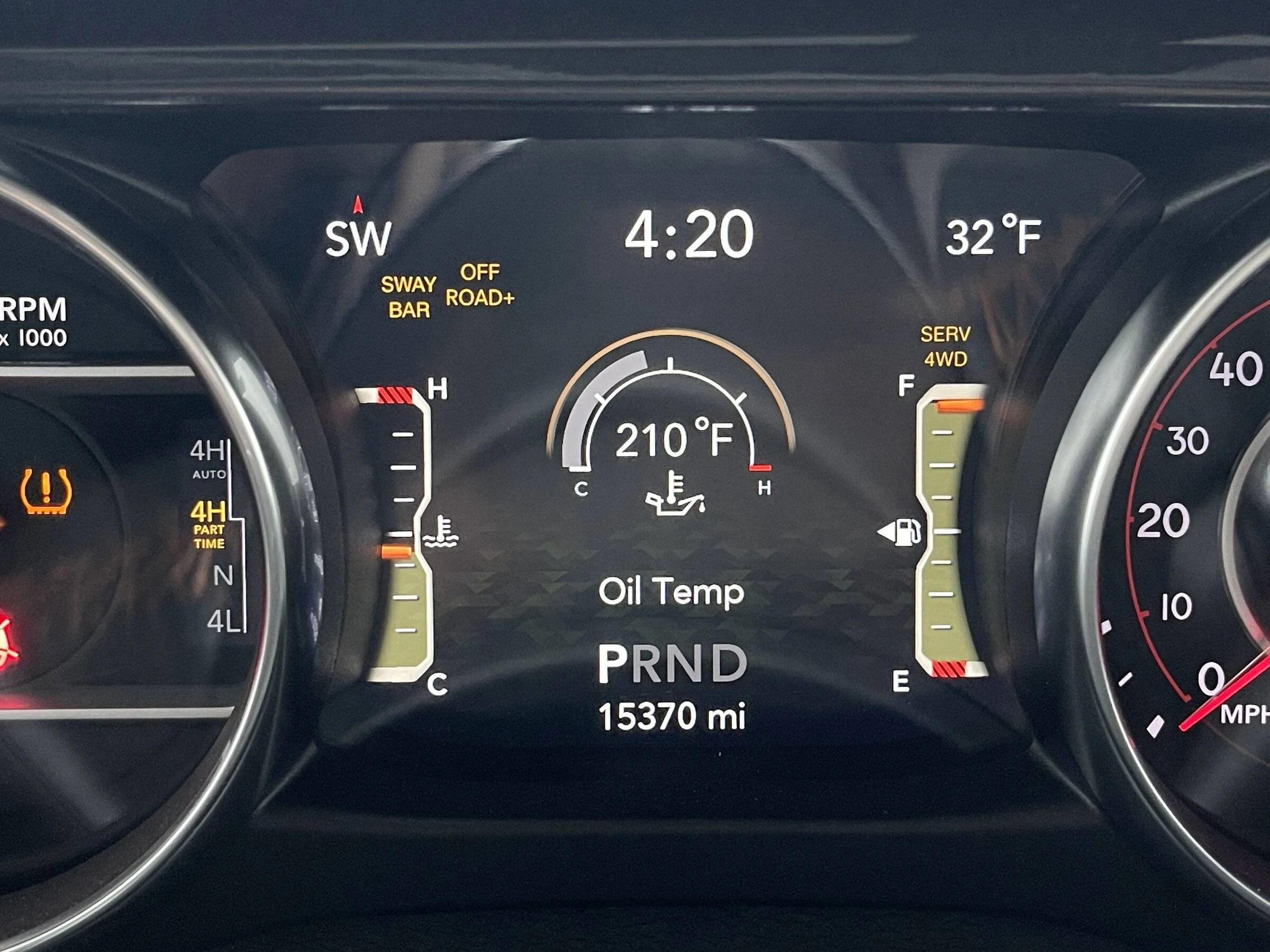
The Serv 4Wd message stands for “Service Four-Wheel Drive.” It’s a warning from your Jeep’s onboard computer. When this light appears, it means there’s an issue with your Jeep’s four-wheel drive (4WD) system. This could be a simple sensor problem or a more serious mechanical issue.
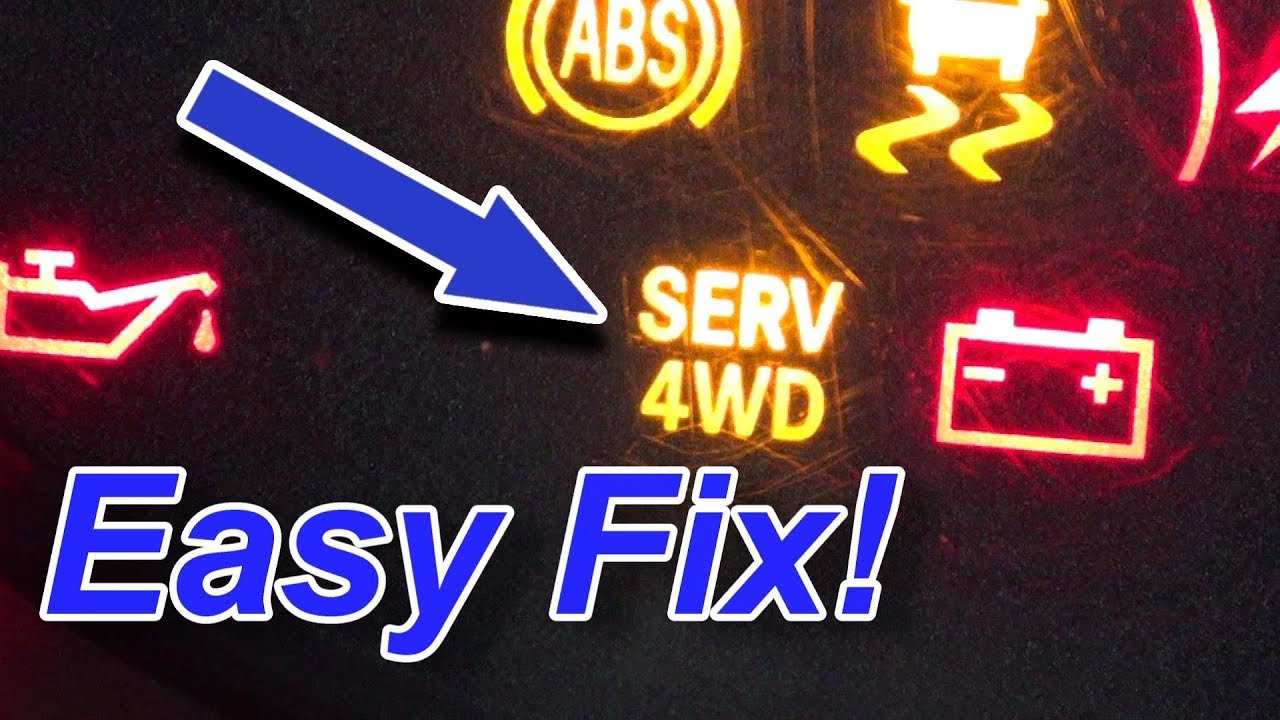
Unlike other warning lights, Serv 4Wd does not mean the 4WD is disabled. Instead, it signals that something needs attention. The 4WD system may still work, but it could be less reliable or not work as intended. If you ignore this warning, you risk damaging your Jeep or losing traction when you need it most.
Common Causes Of The Serv 4wd Light
Several reasons can trigger the Serv 4Wd message. Here are the most frequent causes:
1. Faulty Sensors
The Jeep Wrangler uses sensors to monitor the 4WD system. If a sensor fails or sends wrong information, the computer shows the warning.
2. Transfer Case Issues
The transfer case shifts power between the front and rear wheels. If it has a problem (like low fluid or internal wear), the light may appear.
3. Actuator Failure
The actuator helps switch between 2WD and 4WD. A malfunction here can trigger the warning.
4. Electrical Problems
Wiring or connectors may get corroded, loose, or damaged.
5. Software Errors
Sometimes, the computer needs an update or reset.
Let’s compare some key parts that commonly fail:
| Component | Typical Failure | Repair Cost (Estimate) |
|---|---|---|
| Sensor | Signal error | $100 – $250 |
| Actuator | Cannot shift modes | $300 – $600 |
| Transfer Case | Fluid leak, gear damage | $800 – $2,500 |
How To Fix Serv 4wd On Jeep Wrangler
Fixing the Serv 4Wd light depends on the cause. Here are the main steps:
1. Scan For Codes
Use an OBD-II scanner to check for error codes. This tool gives detailed information about the problem.
2. Inspect Sensors And Wiring
Look for broken, loose, or corroded wires near the transfer case and actuator.
3. Check Transfer Case Fluid
Low fluid can cause shifting issues. Top up or replace the fluid as needed.
4. Test The Actuator
If your Jeep won’t switch between 2WD and 4WD, the actuator may be faulty.
5. Reset The System
Sometimes, disconnecting the battery for 10-15 minutes can clear software errors.
Here’s a quick comparison of DIY fixes vs. professional service:
| Fix Type | Difficulty | Cost | Success Rate |
|---|---|---|---|
| DIY (Fluid check, battery reset) | Easy | Free – $50 | 60% |
| Professional (sensor, actuator replacement) | Moderate | $200 – $800 | 90% |
When Should You Worry?
Not every Serv 4Wd warning means disaster. But here’s when you should act quickly:
- The Jeep won’t shift into 4WD or gets stuck.
- You hear strange noises from the transfer case.
- The warning stays on after a reset.
If these happen, drive carefully and avoid rough terrain. Schedule a checkup as soon as possible.

Real-world Examples
Jeep owners have shared many experiences with this warning. For example, one driver found the Serv 4Wd light came on after driving through deep mud. Cleaning and reconnecting a muddy sensor fixed it. Another owner needed a transfer case rebuild after ignoring the warning for months, costing over $2,000.
You can find more stories and advice from Jeep forums and the official Jeep website. According to Jeep Owners, regular 4WD system checks reduce the risk of these issues.
Preventing Serv 4wd Issues
Prevention is often easier than repair. Here are practical tips:
- Check transfer case fluid every 12,000 miles.
- Inspect wiring after off-road trips.
- Test the 4WD system monthly, even if you don’t use it often.
- Keep sensors clean by avoiding deep water or mud when possible.
It’s smart to keep a maintenance log. Note when you last checked fluids, wiring, and sensors.
This helps spot patterns and prevent future problems.
Non-obvious Insights
- Many Jeep owners think the Serv 4Wd light only appears during off-road driving. In reality, it can come on after regular city driving if a sensor is loose or dirty.
- Some drivers ignore the warning if their Jeep still shifts into 4WD. However, the system may be working harder than normal. This increases wear and can lead to expensive repairs.
Frequently Asked Questions
What Happens If I Ignore The Serv 4wd Light?
Ignoring the warning can lead to transfer case failure or loss of traction. Small problems can turn into big repairs over time.
Can I Drive With The Serv 4wd Light On?
You can drive, but avoid rough roads and heavy loads. The 4WD system may not work correctly, which can be risky in bad weather.
How Do I Reset The Serv 4wd Warning?
Disconnect the battery for 10-15 minutes or use an OBD-II scanner to clear codes. If the warning returns, seek professional help.
Is The Repair Covered By Warranty?
If your Jeep is still under factory warranty, most 4WD repairs are covered. Check your paperwork or ask your dealer.
Does Serv 4wd Affect Fuel Economy?
A faulty 4WD system can increase fuel consumption. The system may stay engaged or work harder, using more gas.
Taking care of your Jeep Wrangler’s Serv 4Wd warning is important for safety and avoiding costly repairs. If you see this message, act quickly, check the basics, and don’t hesitate to seek expert advice. With smart maintenance and attention, your Jeep will keep tackling adventures for years to come.


















