The word Jeep brings to mind images of rugged vehicles crossing muddy fields or rocky hills. But have you ever wondered where the name came from, especially in the context of the military?
The story behind the term is more complex—and fascinating—than most people realize. Many think Jeep is just a brand, but its roots run deep in military history.
Let’s uncover what “Jeep” really stands for in the military world, why the name stuck, and how it became a symbol of versatility and strength.

The Origin Of The Name “jeep”
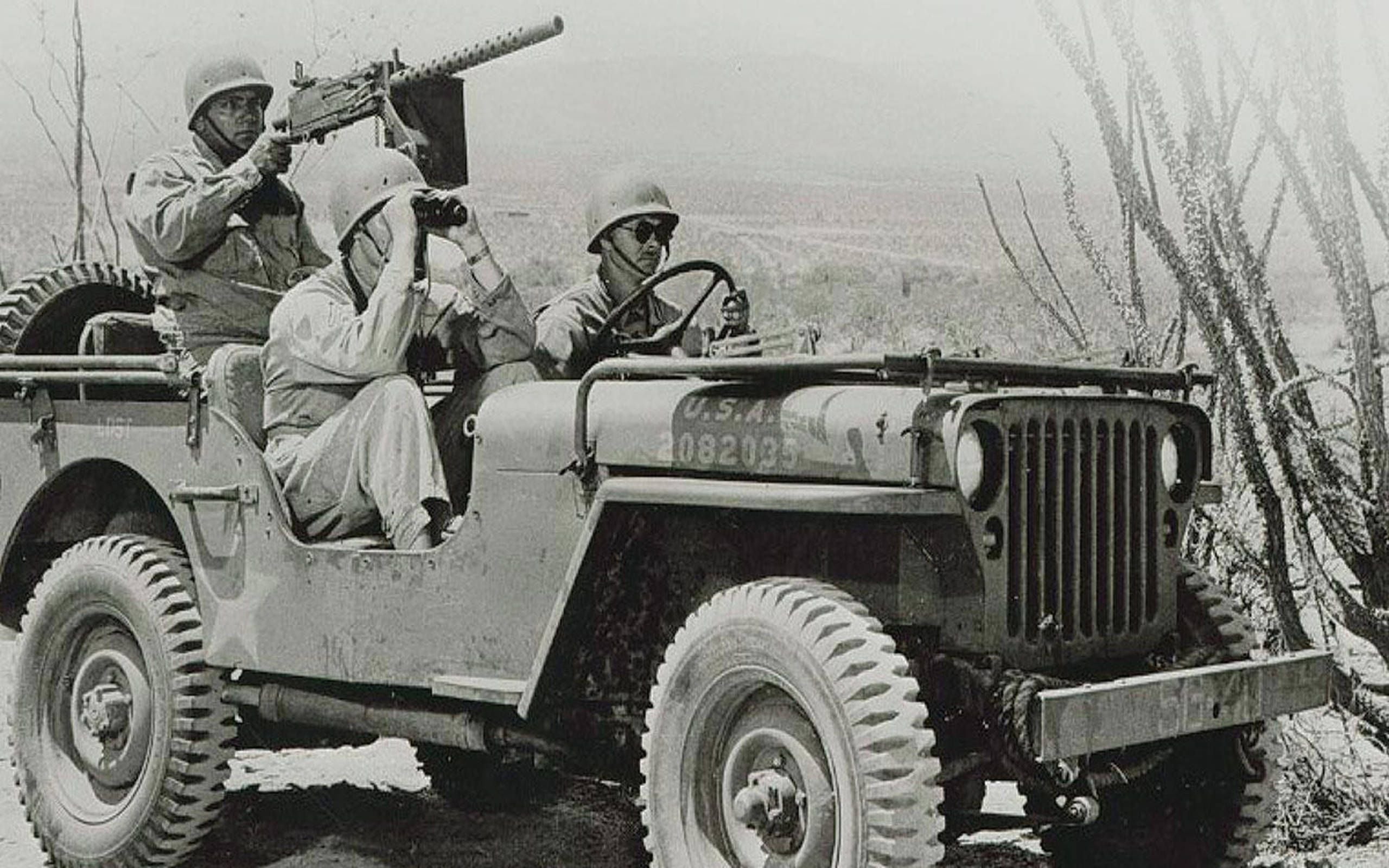
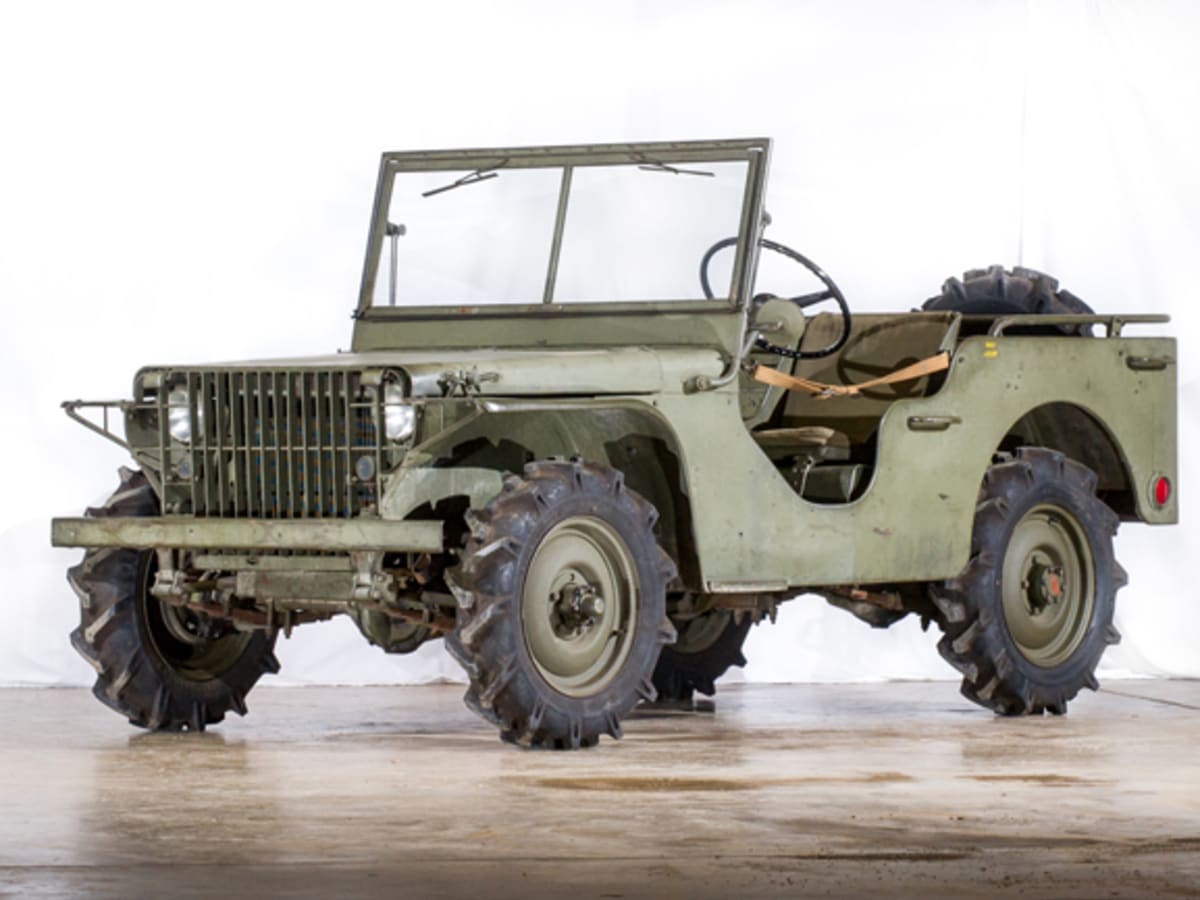
Many people believe Jeep is an acronym, but the truth is less straightforward. During World War II, the U.S. Army needed a light, fast, and reliable vehicle for reconnaissance and transportation. Several companies, including Willys-Overland and Ford, developed prototypes. But where did the “Jeep” name come from?
Not An Official Acronym
Contrary to popular belief, Jeep is not officially short for “Just Enough Essential Parts” or “General Purpose” vehicle. These stories are myths. The vehicle was called the 1/4-ton 4×4 truck in official documents.
The Slang Theory
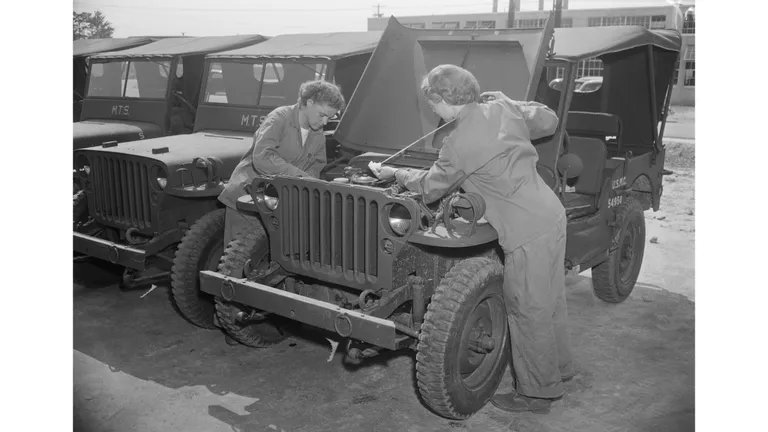
The most accepted explanation is that Jeep was military slang. Soldiers often called any new, untested vehicle or equipment a “jeep.” Over time, the name stuck specifically to the Willys MB and Ford GPW vehicles. The press and soldiers helped spread the term, and soon, “Jeep” became the everyday name.
Pop Culture And Popeye’s Eugene The Jeep
There’s another fun story: in the 1930s, a Popeye comic strip character named Eugene the Jeep appeared. Eugene was a small, magical creature who could “go anywhere and do anything.” Many believe soldiers made the connection because the vehicle could go almost anywhere, just like Eugene.
Why The Jeep Became A Military Icon
The Jeep was not the first military vehicle, but it quickly became one of the most important. Here’s why:
- Versatility: The Jeep could be used for transport, ambulance, communications, and even as a weapon platform.
- Durability: It handled mud, snow, sand, and rough terrain.
- Lightweight: Two or three soldiers could pick up and move the Jeep if needed.
- Easy to Repair: Its design was simple, making field repairs fast and easy.
- High Production: Over 600,000 Jeeps were built during WWII.
| Feature | Why it Mattered |
|---|---|
| 4-Wheel Drive | Improved off-road ability |
| Simple Engine | Easy to fix under pressure |
| Small Size | Fit in tight spaces, easy to transport |
These qualities made the Jeep a favorite on the battlefield and a legend after the war.
Myths And Misconceptions
Many still believe Jeep is an acronym. Here are some common myths and the real story:
- General Purpose (GP): Some say Jeep comes from “GP,” which stands for “General Purpose.” However, the Ford model was called the “GP,” but the letters actually meant “Government,” “80-inch wheelbase,” and “Reconnaissance.”
- Just Enough Essential Parts: This phrase is catchy but was invented long after the Jeep became famous.
- Jeep as a Brand: Jeep became a brand only after World War II. Before that, it was a military nickname.
| Myth | Fact |
|---|---|
| GP = General Purpose | Actually refers to Ford’s coding system |
| Just Enough Essential Parts | Phrase invented much later |
| Jeep always a brand | Became a brand post-WWII |
Real Military Use And Impact
The Jeep did more than transport troops. It changed military operations in many ways.
- Reconnaissance: Quick and quiet, it was perfect for scouting.
- Command Car: Used by generals and officers to move around the battlefield.
- Ambulance: Carried wounded soldiers to safety.
- Weapons Platform: Some Jeeps had machine guns or rocket launchers mounted on them.
One insight many people miss: the Jeep’s shape and design influenced postwar civilian vehicles, including the first mass-produced SUVs. Also, its use in Allied operations made it a symbol of American engineering worldwide.
| Role | Example |
|---|---|
| Reconnaissance | Patrolling behind enemy lines |
| Medical | Evacuating wounded quickly |
| Logistics | Delivering ammunition and supplies |
| Command | Transporting senior officers |
The Legacy Of The Military Jeep
After World War II, the Jeep became a civilian legend. Willys trademarked the name and started selling Jeeps to the public.
Veterans brought their love of the Jeep home, and it soon became popular for farming, ranching, and adventure. The design inspired many vehicles around the world.
Another point many overlook: the Jeep’s influence on global military vehicles. The basic design can be seen in British Land Rovers and Russian GAZ vehicles. The idea of a small, tough, go-anywhere vehicle became the standard for armies everywhere.
For more on the history and development of the military Jeep, check out the Willys MB page on Wikipedia.
Frequently Asked Questions