What Does Jeep Certified Mean
Buying a used car often brings worry. You want a vehicle that’s dependable, but it’s hard to know what happened to it before you.
This is where the term Jeep Certified comes in. But what does it really mean?
Is a Jeep Certified Pre-Owned (CPO) car worth the higher price? Let’s break down exactly what “Jeep Certified” means, why it matters, and how it compares with regular used Jeeps.

What Does “jeep Certified” Really Mean?
A Jeep Certified vehicle is a used Jeep that has passed a strict inspection and meets specific standards set by Jeep and its parent company, Stellantis. Not every used Jeep can become certified. Each one must:
- Be less than five years old
- Have fewer than 75,000 miles
- Pass a detailed 125-point inspection
The goal is to offer buyers more confidence, almost like buying a new car, but at a lower price. Certified Jeeps come with extra benefits, like a limited warranty and roadside assistance.
The Certification Process
Inspection
Each Jeep must pass a 125-point inspection. This includes checks on:
- Engine and transmission
- Brakes and suspension
- Steering and alignment
- Interior features and electronics
- Exterior condition (no major damage or rust)
Any problem found during the inspection must be fixed with genuine Jeep parts. If the car can’t meet all standards after repair, it can’t be certified.
Vehicle History
Jeep also checks the vehicle history report. The car cannot have:
- A branded title (like salvage or flood)
- Major accidents
- Odometer issues
This helps filter out cars with hidden problems.
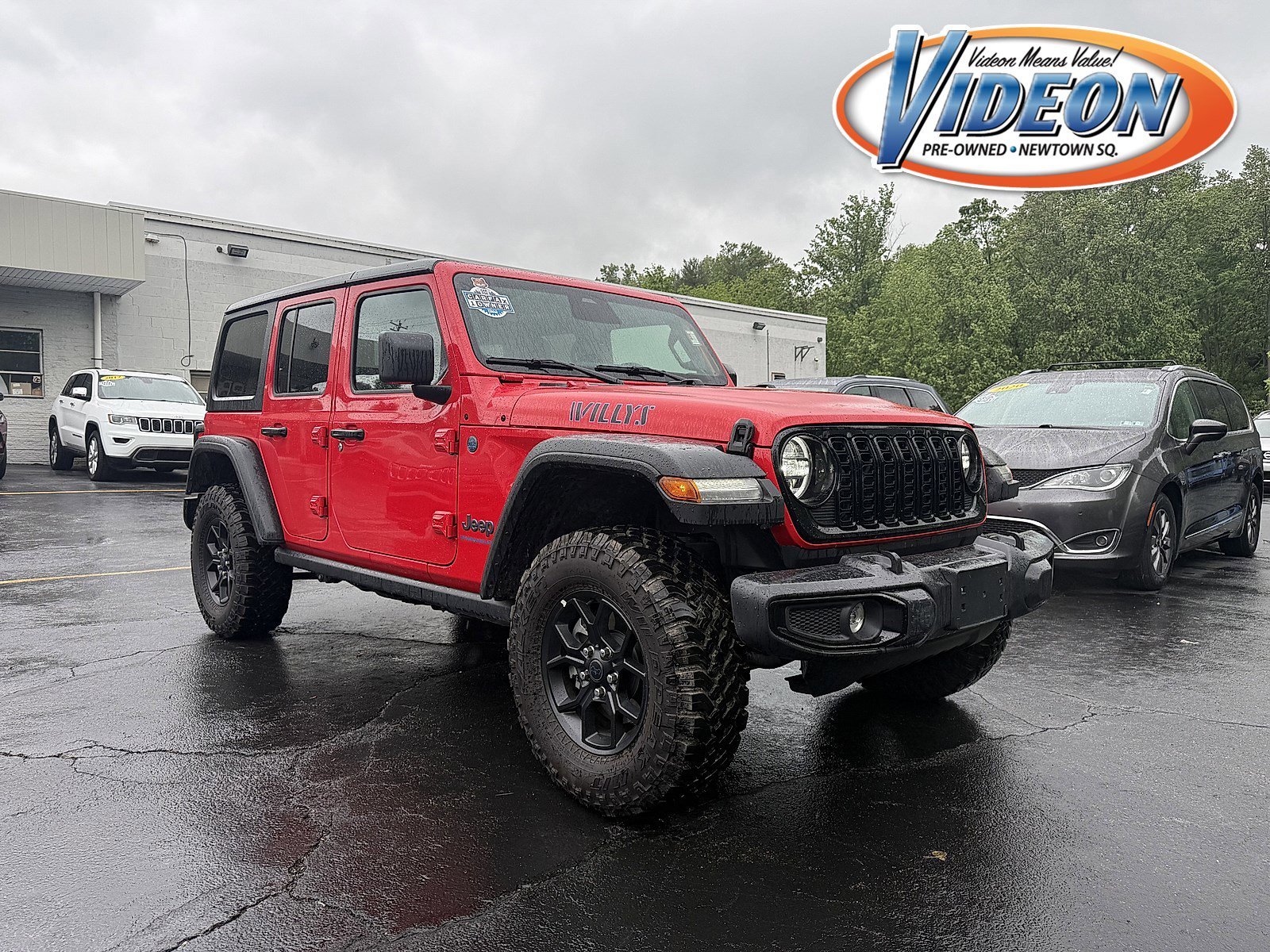
What’s Included With A Jeep Certified Vehicle?
When you buy a Jeep Certified Pre-Owned vehicle, you get more than just a used car. Here’s what’s included:
1. 7-year/100,000-mile Powertrain Warranty
Covers engine and transmission repairs. The countdown starts from the car’s original sale date.
2. 3-month/3,000-mile Maximum Care Warranty
This bumper-to-bumper coverage starts when you buy the car.
3. 125-point Inspection Report
Buyers get a copy of the full inspection results.
4. 24/7 Roadside Assistance
Includes towing, flat tire help, lockout service, and jump-starts.
5. Car Rental Allowance
If your Jeep needs repairs under warranty, you get a rental car.
6. Free Carfax Vehicle History Report
See details about previous owners, accidents, and more.
Here’s a quick comparison between Jeep Certified and regular used Jeeps:
| Feature | Jeep Certified | Regular Used Jeep |
|---|---|---|
| Warranty | Yes (up to 7 years/100,000 miles) | Usually none |
| Inspection | 125-point, strict | Varies by seller |
| Roadside Assistance | Included | Rarely included |
| Vehicle Age Limit | 5 years or newer | No limit |
| Mileage Limit | Under 75,000 miles | No limit |
Pros And Cons Of Buying Jeep Certified
Advantages
- Peace of Mind: The inspection and warranty reduce risk.
- Better Value: The car is often in near-new condition.
- Added Perks: Roadside help and rental car coverage.
Disadvantages
- Higher Price: Certified Jeeps cost more than regular used cars.
- Limited Selection: Only newer, low-mileage Jeeps qualify.
- May Overlap with New Car Prices: Sometimes, a new Jeep with discounts isn’t much more expensive.
Here’s how prices often compare:
| Type | Approx. Price Range |
|---|---|
| New Jeep Wrangler | $35,000 – $50,000 |
| Jeep Certified Wrangler (2-4 yrs old) | $28,000 – $38,000 |
| Regular Used Wrangler (5+ yrs old) | $18,000 – $28,000 |

Common Misunderstandings About Jeep Certified
Many buyers think “certified” means “like new. ” While these cars are carefully inspected, they may still have minor wear, such as small scratches or worn seats.
Certification does not mean the car was never in a minor accident, but it does mean any issue was repaired to Jeep’s standards.
Also, the Jeep Certified program is only available at official Jeep dealerships. Cars from private sellers or non-Jeep dealers are not certified, even if they look similar.
Is Jeep Certified Worth It?
A Jeep Certified Pre-Owned vehicle can be a smart choice if you want extra security but don’t want to pay for a brand-new car. The extended warranty and inspection help you avoid expensive surprises.
However, if you’re on a tight budget, a regular used Jeep might make more sense.
Non-obvious tip: Always read the fine print on the warranty. Some items, like tires or batteries, may not be covered. Also, ask for the inspection report and check if all repairs were done at a Jeep dealership.
Another insight: certified cars often have better financing rates than regular used cars. This can save money over time, so check with your dealer or bank before deciding.
For more details on certified programs, you can visit the official Jeep Certified Pre-Owned page.

Frequently Asked Questions
What’s The Difference Between Jeep Certified And Other Certified Programs?
Each car brand has its own certification standards. Jeep’s program is known for its strict inspection and long powertrain warranty.
Always compare details between brands if you’re not set on Jeep.
Can I Transfer The Jeep Certified Warranty If I Sell The Car?
Yes, the Jeep Certified warranty can usually be transferred to a new owner. This can make your car easier to sell in the future.
Does Jeep Certified Cover Everything On The Car?
No. While many parts are covered, items like brake pads, tires, and some electronics may be excluded. Always review the warranty document.
Are All Used Jeeps At A Dealer Jeep Certified?
No. Only select vehicles that pass the certification process become Jeep Certified.
Many used Jeeps for sale do not meet the requirements.
Can I Get A Jeep Certified Jeep From A Private Seller?
No, only official Jeep dealerships can sell Jeep Certified vehicles. Private sellers and independent dealers do not offer this certification.
When you understand what Jeep Certified means, you can make a smarter choice when shopping for a used Jeep. The extra cost often brings real value, but always check the details before you buy.



















