The world of vintage military vehicles is full of unique codes, markings, and stories. If you’ve come across an old Jeep with “GPW” stamped on its frame or paperwork, you may wonder what those three letters mean.
Understanding the GPW designation not only gives insight into Jeep history, but also helps collectors and enthusiasts identify, restore, and value these classic vehicles.
What Does Gpw Stand For?
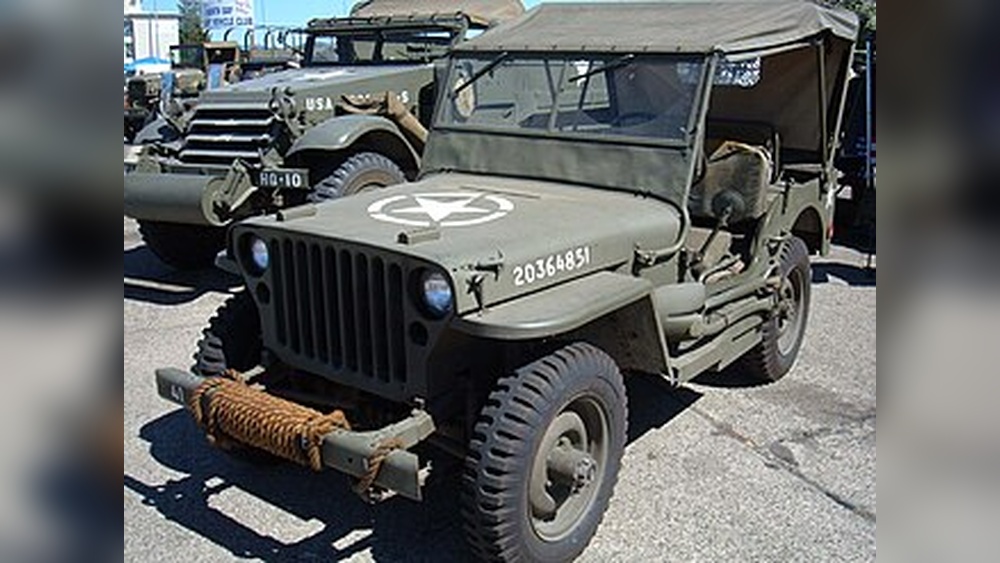
The term GPW is a model code used during World War II. It stands for “Government, Passenger, Willys”—each letter tells a part of the story:
- G: Stands for “Government,” showing it was built for the US military.
- P: Means “80-inch wheelbase Reconnaissance Car” (the P code used by Ford).
- W: Refers to “Willys,” the originator of the Jeep design.
So, a Jeep marked GPW is a Ford-built military Jeep, based on the Willys MB design.
The Origin Of The Gpw Jeep
During World War II, the US Army needed a light, tough, and reliable vehicle. Willys-Overland won the contract with its MA and then MB Jeep design. However, Willys could not produce enough vehicles alone, so the US government asked Ford Motor Company to help.
Ford produced Jeeps under license using the Willys design. To identify their Jeeps, Ford stamped them with “GPW” on the frame and data plates.
Gpw Vs Mb: What’s The Difference?
It’s easy to confuse GPW with MB. Both look nearly identical and were built to the same specifications.
But there are a few differences worth noting.
| Feature | Willys MB | Ford GPW |
|---|---|---|
| Manufacturer | Willys-Overland | Ford Motor Company |
| Frame Marking | “MB” prefix | “GPW” prefix |
| Grille | Stamped steel (later models) | Pressed steel, “F” marked parts |
| Parts Markings | Usually unmarked | Many parts have a small “F” |
| Serial Numbers | MB-XXXXXX | GPW-XXXXX |
While the differences are subtle, collectors often look for the “F” marks on Ford GPW parts. These marks can add value and authenticity to a restoration.
Production Numbers And Timeline
Between 1941 and 1945, over 640,000 Jeeps were built for the US military. Ford produced about 277,896 GPW Jeeps during the war, while Willys built around 362,841 MB models.
| Year | GPW Units Built | MB Units Built |
|---|---|---|
| 1941 | ~4,458 | ~25,808 |
| 1942 | ~104,100 | ~140,253 |
| 1943 | ~110,000 | ~120,000 |
| 1944 | ~54,000 | ~60,000 |
| 1945 | ~5,338 | ~16,780 |
Both companies followed the same blueprint. Over time, Ford introduced minor production changes, but the core design remained the same.
Key Features Of A Gpw Jeep
When identifying a Ford GPW Jeep, look for these characteristics:
- GPW Serial Number: Stamped on the frame rail.
- “F” Marked Parts: Many bolts, handles, and brackets have a small “F.”
- Ford Script: Early GPWs (up to mid-1942) had “Ford” script on the rear panel.
- Pressed Steel Grille: Later models used the Willys stamped grille, but early GPWs had Ford’s pressed steel version.
- Engine: Still used the Willys “Go Devil” engine.
A common mistake for beginners is to focus only on the body shape. Small details, like the frame number and parts markings, are more reliable for identification.
Why The Gpw Matters To Collectors
The GPW Jeep is valued for its place in history. These vehicles played a huge role in World War II, and owning a GPW is like holding a piece of that era.
Collectors often seek out original GPWs, especially those with matching serial numbers and untouched “F” marked parts.
Original GPW Jeeps can sell for $20,000 to $40,000 in restored condition. Rare features, such as the Ford script or unique production details, can increase value.

Common Misunderstandings About Gpw Jeeps
Many people think every old military Jeep is a Willys. Others believe “GPW” is just another name for any Jeep.
In reality, only Ford-built, WWII-era Jeeps with the correct markings are true GPWs.
Another misconception is that all parts are interchangeable. While most parts fit both MB and GPW, some Ford-specific components, especially those with “F” marks, are unique and more valuable.
How To Identify A Genuine Gpw Jeep
Here’s a simple process for confirming if a Jeep is a GPW:
- Check the Frame: Look for a stamped GPW serial number on the left frame rail.
- Look for “F” Marks: Examine bolts, brackets, and handles for small “F” stamps.
- Inspect the Rear Panel: On early models, see if it has the “Ford” script.
- Review the Data Plate: Original plates will say “GPW” and include the serial number.
If you’re buying a GPW, verify the paperwork matches these physical signs. Restorers often swap parts, so not all GPWs are 100% Ford even if the frame says so.
Gpw Jeeps In The Modern World
Today, GPW Jeeps show up in military vehicle rallies, museums, and classic car events. Owners take pride in restoring them with original parts and keeping the history alive. Some even participate in reenactments or parades, showing the Jeep’s lasting legacy.
Finding spare parts for a GPW can be a challenge, especially for “F” marked items. Some modern suppliers make reproduction parts, but original Ford items are always more prized.
For more in-depth information on WWII Jeeps, you can visit the Willys MB Wikipedia page.
Frequently Asked Questions
What Does Gpw Stand For On A Jeep?
GPW stands for Government, Passenger, Willys. It’s Ford’s model code for their version of the WWII military Jeep, built using the Willys design.
How Can I Tell If My Jeep Is A Gpw?
Look for a GPW serial number on the frame, small “F” stamps on parts, and, on early models, a Ford script on the rear panel.
Are Gpw Jeeps Rare?
Ford built about 278,000 GPW Jeeps during WWII. While not extremely rare, finding one with original markings and parts is much harder today.
What Is The Difference Between A Gpw And A Willys Mb?
Both are WWII Jeeps, but the GPW was built by Ford with some unique “F” marked parts, while the MB was built by Willys-Overland.
Are Gpw Parts Interchangeable With Willys Mb Parts?
Most parts fit both models, but some Ford GPW parts have special “F” markings and minor design differences. Collectors prefer original, correctly marked parts.
The story of the GPW Jeep is more than just a set of letters—it’s a chapter in automotive and military history. Understanding what GPW stands for helps connect you to the legacy of these rugged, reliable vehicles that helped shape the world.