When you see the "ESP OFF" light on your Jeep’s dashboard, it can cause worry or confusion, especially if you’re not familiar with your vehicle’s safety systems. This small message actually refers to a key part of your Jeep’s technology designed to keep you safe on the road.
But what does it really mean when it comes on, and should you be concerned? Understanding the ESP system can help you drive with more confidence, whether you’re on city streets or tackling tough trails.
What Is Esp In A Jeep?
ESP stands for Electronic Stability Program. This system helps your Jeep stay stable by automatically controlling the brakes and sometimes the engine power. It works together with other safety systems like ABS (Anti-lock Braking System) and traction control. In simple terms, ESP prevents your Jeep from skidding or sliding, especially during sharp turns or slippery conditions.
Here’s how ESP works:
- It uses sensors to check your steering and the direction your Jeep is moving.
- If the system detects your Jeep is not following your steering (like during a skid), it gently applies brakes to certain wheels.
- Sometimes, ESP also reduces engine power to help the driver regain control.
This technology has been standard in most Jeep models since the mid-2000s. For example, the Jeep Wrangler, Grand Cherokee, and Cherokee all come with ESP or similar stability systems.
What Does “esp Off” Mean?
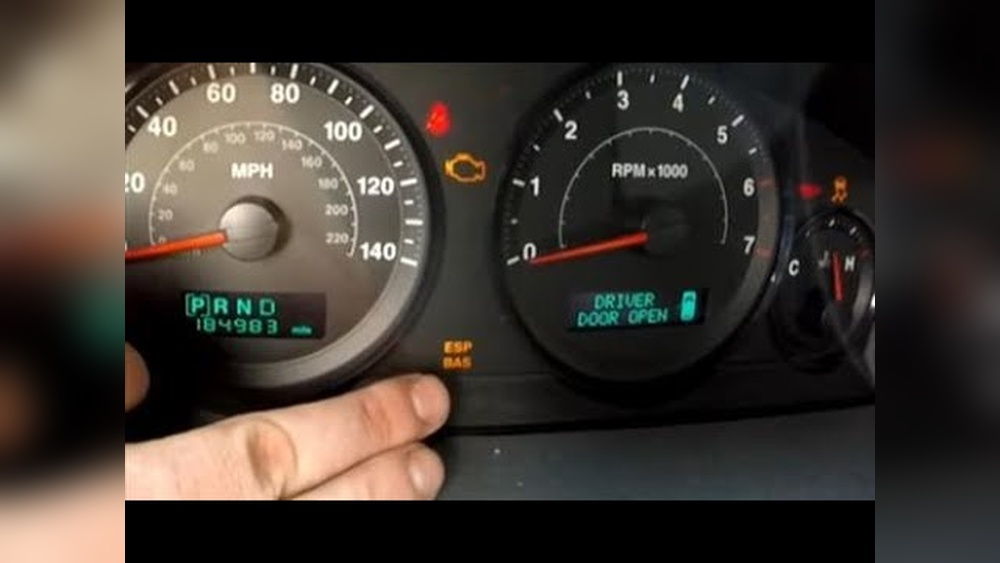
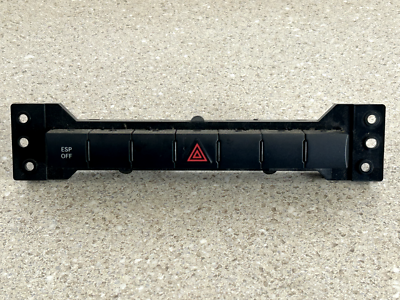
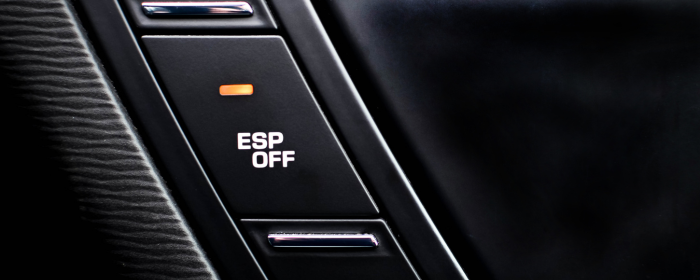
When the “ESP OFF” light appears, it means the stability system is turned off, either by you or due to a problem. Most Jeeps have a button labeled “ESP OFF” or “ESC OFF” that lets you manually switch off the system. This is usually done in specific situations, like:
- Off-roading: When driving on sand, deep snow, or mud, ESP might limit wheel spin, which can make it hard to get out. Turning it off allows the wheels to spin more freely.
- Performance driving: Some drivers prefer to control the vehicle fully without electronic interference, especially on tracks or closed courses.
However, if you didn’t press the button and the light comes on, there might be an issue with the system.
Esp On Vs Esp Off: What’s The Difference?
Here’s a quick comparison to show what changes when ESP is active or turned off:
| Feature | ESP ON | ESP OFF |
|---|---|---|
| Stability Control | Active | Disabled |
| Traction Control | Usually Active | Often Reduced or Off |
| Wheel Spin Allowed | Limited | More Freedom |
| Best for | Normal Driving, Wet or Icy Roads | Off-roading, Deep Snow, Sand |
Why Would You Turn Off Esp On A Jeep?
While ESP is a valuable safety feature, there are times when turning it off is helpful. Here are some real-world examples:
- Stuck in snow or mud: ESP may cut engine power when you need more force to get out.
- Rock crawling: Off-road situations often require more wheel spin to climb over rocks or obstacles.
- Sand driving: Too much stability control can cause you to lose momentum and get stuck.
In these cases, pressing the ESP OFF button gives you more control and lets the wheels spin as needed.
Common Mistakes When Using Esp Off
Many new Jeep owners make the mistake of leaving ESP off after off-roading or forgetting to turn it back on for highway driving. This can reduce safety, especially on slick roads.
Another mistake: thinking ESP OFF makes the Jeep “sportier” for normal driving. In reality, it removes a major safety net that can prevent accidents.
What To Do If Esp Off Light Stays On
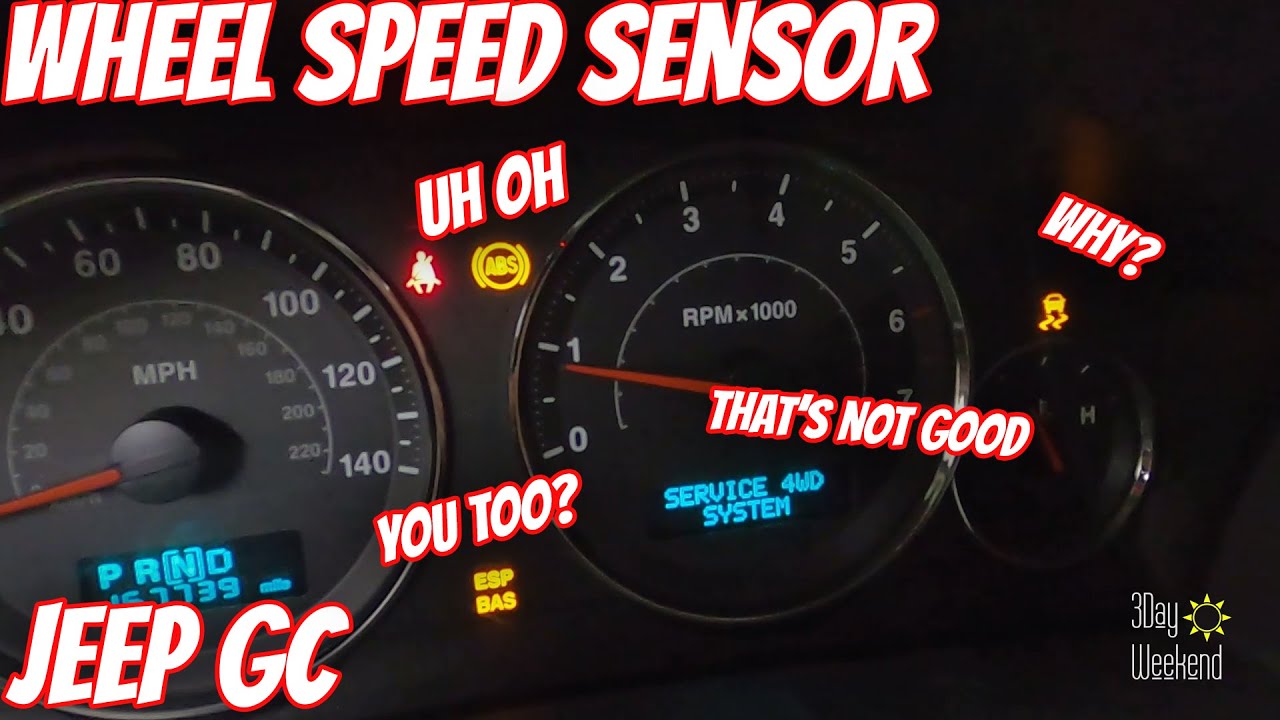
If you see the ESP OFF light and you didn’t press the button, there could be a problem. Common causes include:
- Faulty wheel speed sensors
- Steering angle sensor issues
- Low battery voltage
- Damaged wiring
Here’s a simple troubleshooting guide:
- Restart the vehicle. Sometimes, the system resets after turning off and on.
- Check if you pressed the ESP OFF button by accident.
- Inspect your battery. Low voltage can trigger warning lights.
- Scan for error codes. Many auto parts stores offer free code checks.
If the light stays on, it’s best to have a professional look at your Jeep. Driving without ESP can be risky, especially in bad weather.
How Esp Compares To Other Safety Systems
It’s easy to confuse ESP with other systems in your Jeep. Here’s a comparison to clarify:
| System | Main Function | When It Works |
|---|---|---|
| ESP/ESC | Prevents skidding and loss of control | During sharp turns or slides |
| ABS | Prevents wheel lock during braking | When braking hard |
| Traction Control | Prevents wheel spin during acceleration | On slippery starts |
These systems often work together, but each has a unique role in keeping you safe.
Key Insights Most Drivers Miss
- ESP doesn’t make you invincible: Even with ESP, you still need to drive carefully. High speed or sharp turns can overwhelm any safety system.
- Turning off ESP doesn’t disable all safety systems: ABS and basic traction control often remain active, but their effectiveness might be reduced.
Real-world Data: Why Esp Matters
According to the National Highway Traffic Safety Administration (NHTSA), vehicles with electronic stability control are 33% less likely to be involved in fatal single-vehicle crashes. This is why ESP is now required on all new cars sold in the US. For more details, you can visit the NHTSA’s official page.
Frequently Asked Questions
What Is The Difference Between Esp And Esc?
ESP and ESC are different names for the same technology. Some brands use ESP (Electronic Stability Program), while others use ESC (Electronic Stability Control). Both help prevent skidding.
Is It Safe To Drive With Esp Off?
For normal driving, it’s safer to keep ESP ON. Only turn it off in off-road or special conditions.
Leaving it off on wet or icy roads increases the risk of losing control.
How Do I Turn Esp Back On In My Jeep?
Usually, you press the ESP OFF button again, or restart the vehicle. Check your owner’s manual for details, as steps can vary by model.
Can Esp Cause Power Loss?
Yes, when ESP is ON and senses a skid, it may reduce engine power to help regain control. This is normal and helps prevent accidents.
Does Esp Work In 4wd Mode?
In most Jeeps, ESP and 4WD work together. However, in some off-road modes, ESP may be partially disabled to allow for more wheel spin.
If you understand what ESP OFF means and when to use it, you’ll get the best mix of safety and performance from your Jeep. Always remember to turn ESP back on after your off-road adventure or anytime you return to regular driving.
With the right knowledge, your Jeep’s technology can help you handle almost any road or trail with confidence.