When you open the hood of your Jeep or see a warning light on your dashboard, you may come across the term “ESIM. ” It sounds technical and mysterious, but understanding what ESIM means is important for Jeep owners.
This article explains what ESIM stands for, why it matters for your vehicle, and how it affects your Jeep’s performance.
You’ll also learn about common issues, maintenance tips, and answers to popular questions.
What Does Esim Stand For In Jeep Vehicles?
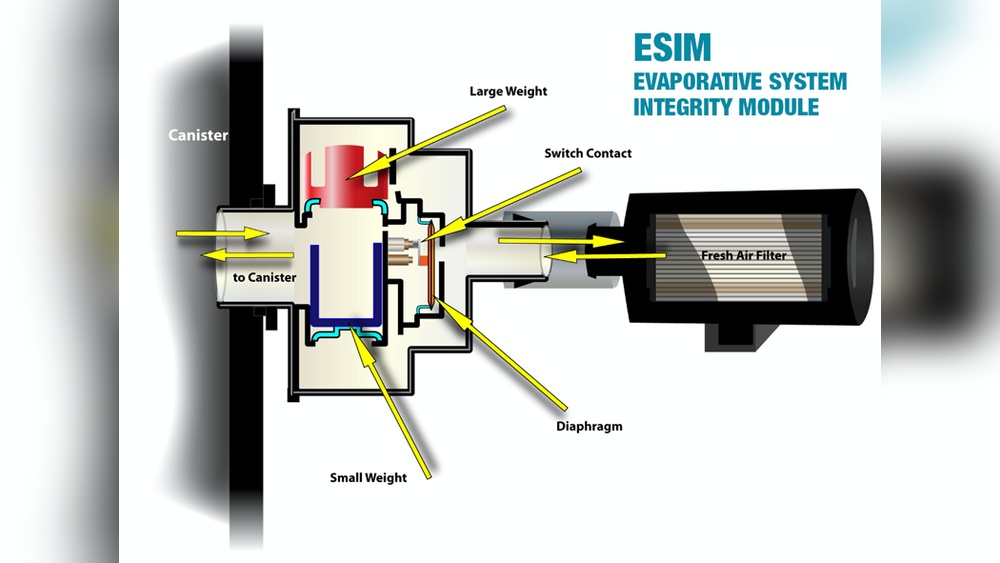
In the context of Jeep, ESIM stands for Evaporative System Integrity Module. This small, electronic device plays a critical role in your Jeep’s emissions system. It is not related to the “eSIM” used in cell phones for digital SIM cards. Instead, the Jeep ESIM keeps your car’s fuel and vapor system working correctly.
The ESIM is found in many Jeep models, including the Jeep Wrangler, Jeep Grand Cherokee, and Jeep Renegade. It helps your vehicle meet environmental laws and ensures the engine runs efficiently.
How Does The Esim Work?
The main job of the Evaporative System Integrity Module is to monitor the integrity, or “tightness,” of the fuel vapor system. Modern vehicles use a system called EVAP (Evaporative Emission Control System) to prevent gasoline vapors from escaping into the air. The ESIM is a key part of this.
The ESIM acts as a switch or sensor. It checks for leaks in the fuel system by watching pressure changes. Here’s how it works:
- Closed and Open State: When your Jeep is off, the ESIM valve is closed. During certain tests, it opens to see if vapors escape.
- Detecting Leaks: The ESIM uses a small weight and diaphragm. If there’s a leak, the pressure changes and the module signals a problem.
- Triggering Warnings: If the ESIM finds a leak, it can trigger the Check Engine Light with codes like P0456 (small leak detected).
This process protects the environment and prevents fuel loss. The ESIM does not affect engine performance directly, but a faulty ESIM can cause annoying warning lights and failed emissions tests.
Esim Vs. Esim: Common Confusion
It’s easy to confuse the Jeep ESIM with the eSIM found in smartphones and new vehicles for wireless connectivity. But these two are very different:
| Term | Meaning in Jeep | Other Common Use |
|---|---|---|
| ESIM | Evaporative System Integrity Module (emissions system part) | Not used outside automotive industry |
| eSIM | Not used in Jeep emissions | Embedded SIM card for mobile devices and connected cars |
In Jeep, ESIM always refers to the emissions control module, not digital SIM technology.
Why Is The Esim Important?
The ESIM helps your Jeep:
- Meet emissions standards set by the government.
- Prevent harmful gasoline vapors from escaping.
- Diagnose leaks quickly.
- Save fuel by keeping the system sealed.
Without a working ESIM, your Jeep may release more pollution and fail state inspections. In fact, according to the EPA, vehicles with faulty EVAP systems can emit up to 30 times more hydrocarbons than normal.

Signs Of Esim Problems
Most drivers learn about the ESIM only when something goes wrong. Here are common signs of ESIM issues in Jeep vehicles:
- Check Engine Light: The most common symptom. Often paired with codes like P0456, P0455, or P0440.
- Failed Emissions Test: An EVAP leak often causes your Jeep to fail the test.
- Fuel Odor: A strong gasoline smell near the vehicle, especially after refueling.
- Difficulty Refueling: The gas pump may shut off early due to pressure problems.
If you notice these issues, it’s wise to have your Jeep checked by a mechanic. Ignoring ESIM problems can lead to more expensive repairs and legal trouble in areas with strict emissions laws.
How To Fix Or Replace A Jeep Esim
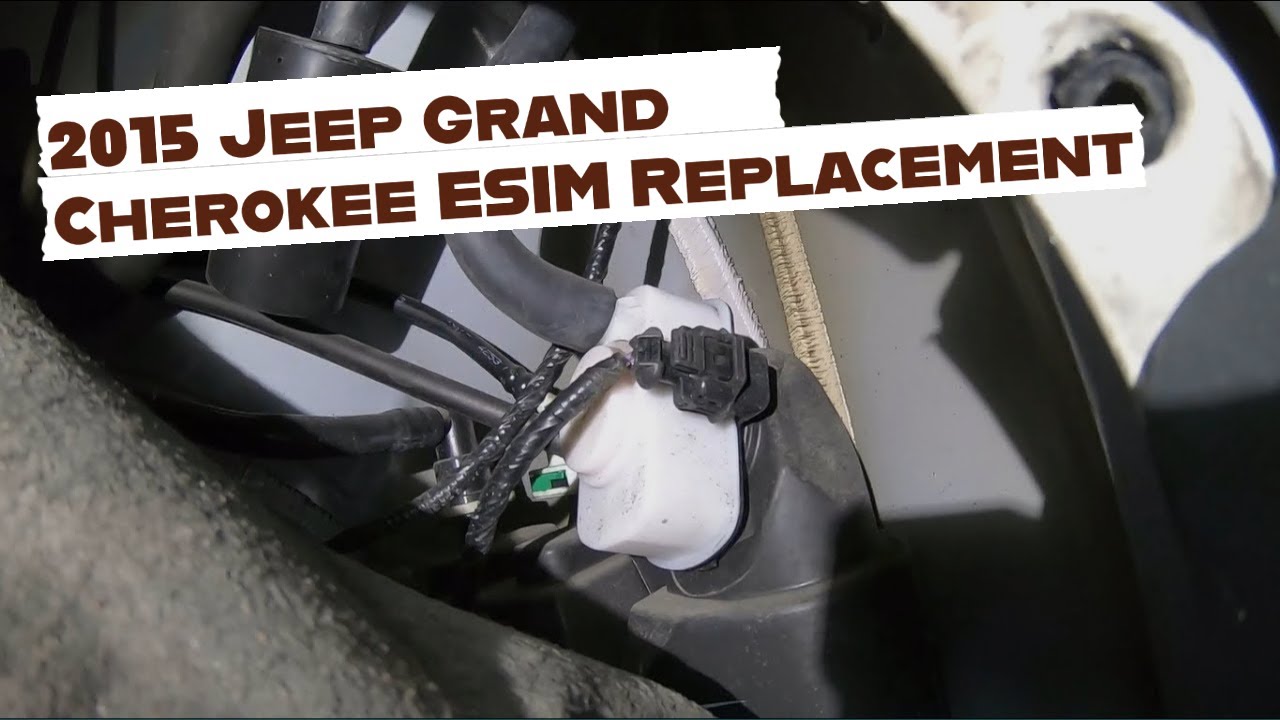
If your mechanic finds the ESIM is faulty, replacing it is usually straightforward. The ESIM is often attached to the EVAP canister or near the fuel tank.
- Cost: An ESIM replacement typically costs $50–$150 for the part, plus labor.
- Time: Most repairs take less than an hour.
- DIY? : Some skilled owners can replace the ESIM themselves, but it often requires getting under the vehicle and disconnecting hoses.
Below is a simple comparison of dealership vs. DIY ESIM replacement:
| Replacement Method | Average Cost | Time Required |
|---|---|---|
| Dealership | $150–$250 | 1–2 hours |
| DIY | $50–$150 | 30–60 minutes |
Always use the correct ESIM part number for your Jeep model.

Maintenance Tips For A Healthy Esim
- Tighten the Gas Cap: A loose cap is a common cause of EVAP leaks.
- Check for Cracked Hoses: Old hoses can let vapors escape.
- Listen for Fuel Odors: Unusual smells may point to leaks.
- Get Codes Read Early: Don’t ignore the check engine light.
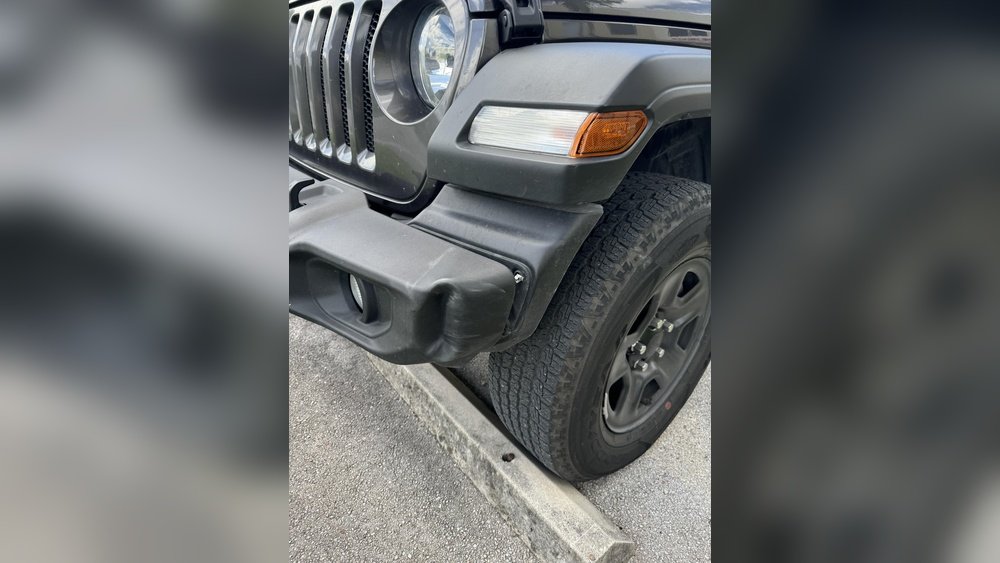
One thing most owners miss: even a minor bump or off-road adventure can dislodge EVAP parts, including the ESIM. After heavy use, inspect the underside of your Jeep.
Real-world Example
The Jeep Wrangler JL (2018+) uses an ESIM module on its EVAP canister. Many owners report the P0456 code after off-roading. Usually, dust or a loose connector is the cause—not a broken ESIM. Cleaning and resetting the code often solves the problem.
Environmental Impact Of A Faulty Esim
A working ESIM means your Jeep releases fewer harmful vapors. According to the EPA, fixing a small EVAP leak can reduce hydrocarbon emissions by up to 95%. This helps keep the air cleaner and protects your health and the environment.
Frequently Asked Questions