You’re driving your Jeep Wrangler, enjoying the open road, when suddenly the check engine light flickers on. It’s a moment that can quickly turn your excitement into worry.
What does that warning really mean? Is it something you can ignore, or do you need to take immediate action? Understanding why your Jeep Wrangler’s check engine light comes on can save you time, money, and stress. You’ll learn what this light signals, the most common causes behind it, and the smart steps you should take to keep your Jeep running smoothly.
Don’t let that little light catch you off guard—read on to take control of your Jeep’s health today.

Check Engine Light Basics
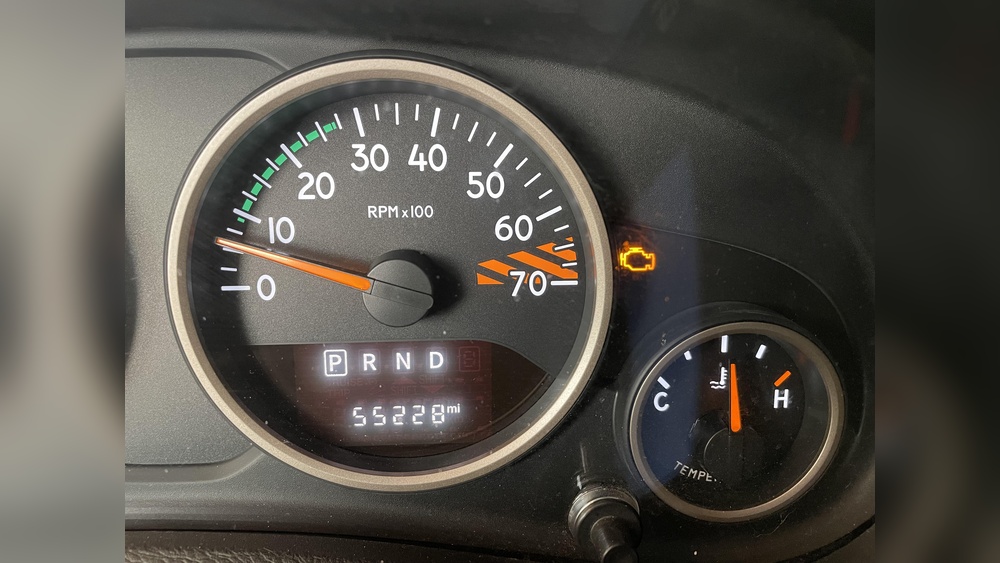
The check engine light is an important alert on your Jeep Wrangler’s dashboard. It signals that the vehicle’s computer found an issue. This light helps you avoid bigger problems by warning early.
Understanding the check engine light basics helps you act fast. It is not always an emergency but needs attention. Knowing what it means can save time and money.
What The Light Indicates
The check engine light shows that your Jeep’s engine or emission system has a problem. The vehicle’s onboard computer monitors many parts. When it detects a fault, it triggers the light. The issue can range from minor to serious. A steady light usually means a less urgent problem. A flashing light signals a severe engine misfire. This requires immediate action to prevent damage.
Common Causes In Jeep Wranglers
Several common problems can cause the check engine light to turn on in Jeep Wranglers. A loose or damaged gas cap is the most frequent cause. It affects the fuel system pressure and triggers the warning. Faulty oxygen sensors also cause the light to appear. These sensors measure the air-fuel mix for better engine performance. Problems with spark plugs or ignition coils can lead to misfires. Issues with the catalytic converter or mass airflow sensor are other reasons. Regular maintenance helps prevent these faults and keeps your Jeep running well.
Diagnosing The Issue
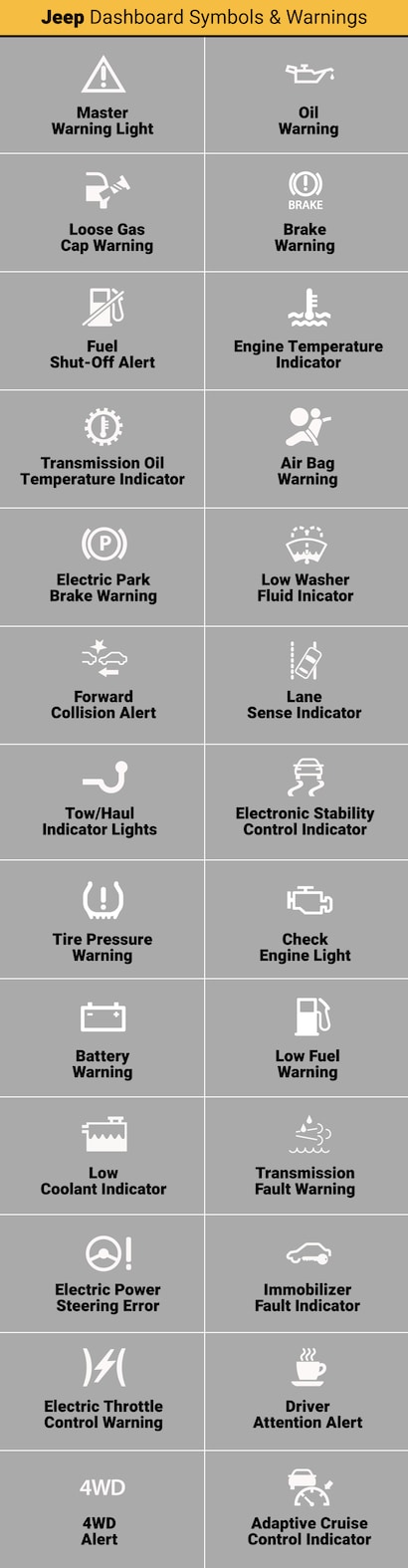
The check engine light on your Jeep Wrangler signals a problem in the engine system. Knowing when to seek professional help can prevent costly repairs. Some issues require immediate attention, while others allow for a scheduled visit to the mechanic. Understanding the light’s behavior helps you decide what to do next.
Steady Vs. Flashing Light Meanings
A steady check engine light means a mild issue. You can drive but should have it checked soon. A flashing light signals a serious problem. It usually means the engine is misfiring. Driving with a flashing light can cause more damage.
Potential Engine Misfires
Engine misfires happen when fuel does not burn properly in the cylinders. This can cause rough running or loss of power. Misfires may damage the catalytic converter if ignored. A flashing check engine light often means misfires are happening. Stop driving and get your Jeep checked immediately.
Avoiding Further Damage
Ignoring the check engine light can lead to bigger problems. Small issues can turn into costly repairs. Professional diagnosis helps identify the exact cause. Mechanics use special tools to read error codes. Timely repairs keep your Jeep running smoothly and safely.
Common Fixes For Jeep Wranglers
Preventive maintenance is key to keeping your Jeep Wrangler running smoothly. It helps avoid unexpected check engine light warnings. Regular care improves engine life and performance. Simple steps can save time and money on repairs.
Regular Inspections
Check your Jeep’s engine and components often. Look for leaks, worn belts, and loose connections. Use a diagnostic tool to scan for early trouble codes. Spotting issues early prevents bigger problems later.
Keeping Engine Components Clean
Dirt and grime can cause engine parts to wear out faster. Clean the engine bay gently to remove dust and debris. Pay attention to air filters and throttle bodies. Clean parts help the engine run efficiently and reduce warning lights.
Timely Repairs And Replacements
Fix minor problems quickly to stop them from growing. Replace worn parts like spark plugs, hoses, and sensors as needed. Follow the Jeep Wrangler’s maintenance schedule strictly. Timely repairs keep the check engine light off and your Jeep reliable.
When To Seek Professional Help
Driving with the check engine light on in your Jeep Wrangler can be stressful. The light signals a problem within the engine or emission system. Sometimes the issue is minor, but other times it can affect safety and performance. Understanding how to drive safely and monitor your vehicle helps prevent further damage. This section covers key points for driving with the check engine light on in your Jeep Wrangler.
Safe Driving Practices
Drive smoothly and avoid sudden acceleration or hard braking. Keep speeds moderate to reduce engine stress. Listen for unusual noises like knocking or sputtering. Stop the vehicle if the light flashes, as this indicates a serious problem. Avoid towing or heavy loads until the issue is fixed. Use gentle turns and avoid steep hills when possible. These habits help protect the engine and prevent breakdowns.
When To Limit Vehicle Use
Limit driving if the check engine light stays on for several days. Avoid long trips or highway driving until a mechanic checks the problem. If you notice poor fuel economy or rough idling, reduce usage immediately. In cases of overheating or smoke, stop driving right away. Prioritize repairs to avoid costly damage. Keeping your Jeep off the road when needed ensures your safety and the vehicle’s health.
Monitoring Vehicle Performance
Track changes in engine sound and power. Watch for dashboard warnings or unusual smells. Check fuel efficiency to spot hidden problems. Use an OBD-II scanner to read error codes if available. Record symptoms to share with your mechanic. Regularly inspect fluid levels and tire pressure. Staying alert to performance changes helps catch issues early and maintains your Jeep’s reliability.

Frequently Asked Questions
Can I Drive My Jeep With The Engine Light On?
You can drive your Jeep briefly with a steady engine light on. Avoid hard acceleration and get it checked soon. Stop driving if the light flashes, as it signals a serious engine problem.
What Is The Most Common Check Engine Light On A Jeep Wrangler?
The most common check engine light on a Jeep Wrangler indicates a loose or faulty gas cap. Tighten or replace it to fix the issue.
What To Do When The Check Engine Light Comes On A Jeep Wrangler?
When the Jeep Wrangler check engine light turns on, check the gas cap first and tighten it securely. Avoid hard acceleration if the light flashes. Schedule a diagnostic scan to identify the issue. Address repairs promptly to prevent further damage and maintain vehicle performance.
What Is The First Thing To Check When The Check Engine Light Comes On?
The first thing to check when the check engine light comes on is the gas cap. Ensure it is tight and sealed properly.
Conclusion
The check engine light on a Jeep Wrangler signals the vehicle needs attention. It could mean a small issue like a loose gas cap or a bigger engine problem. Do not ignore the warning. Drive carefully and get the Jeep checked soon.
Early action can prevent costly repairs later. Knowing what the light means helps keep your Jeep running smoothly. Stay aware and respond quickly to keep your adventures safe.