When you’re driving your Jeep and notice the word Aero appear on the dashboard, it’s natural to wonder what it means. This simple message can be confusing, especially for new Jeep owners or those who have never seen it before.
Understanding what Aero indicates, why it activates, and how it affects your driving can help you get the most from your vehicle. Let’s break down the meaning, function, and importance of the Aero mode on Jeep dashboards, using clear explanations and practical examples.
What Does ‘aero’ Mean On Jeep Dash?
The Aero indicator on a Jeep dashboard is connected to the vehicle’s air suspension system. When you see Aero, your Jeep is adjusting its ride height to the Aerodynamic Mode. This mode lowers the vehicle to a certain level to reduce wind resistance, improve fuel efficiency, and enhance stability at higher speeds.
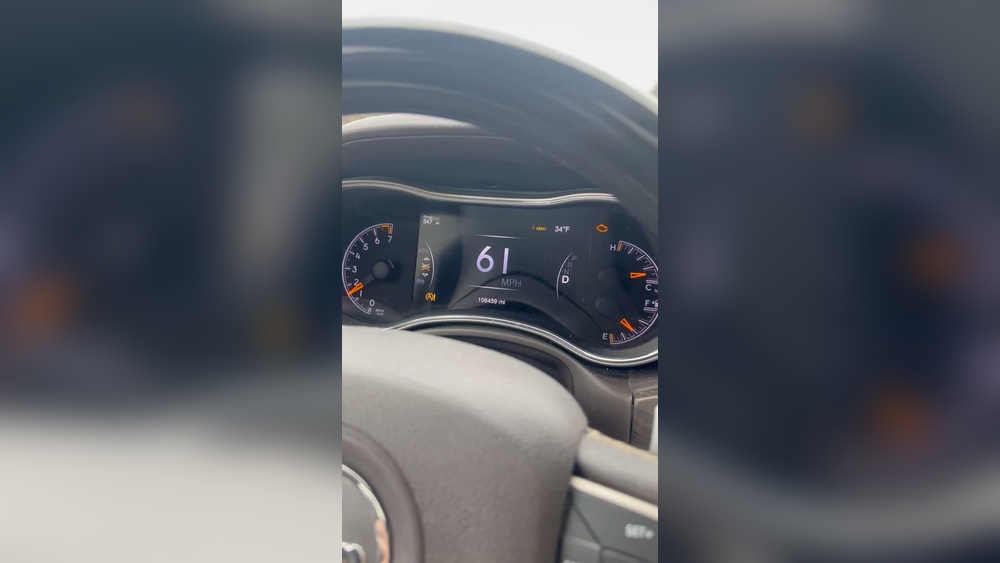
Most modern Jeep models, like the Grand Cherokee and Jeep Wagoneer, have advanced suspension systems. These systems automatically change the vehicle height based on speed, terrain, or the driver’s choice. The Aero mode is specifically designed to optimize the Jeep for highway driving.
How Aero Mode Works
When your Jeep reaches a set speed (usually around 55 mph or higher), the suspension lowers the car. This happens automatically. The dashboard displays Aero to let you know the adjustment is active.
Key benefits of Aero mode:
- Better fuel economy due to reduced air drag
- Improved handling at high speeds
- Enhanced stability for safer highway driving
Jeep Models With Aero Mode
Not every Jeep has the Aero feature. It’s most common in models with Quadra-Lift Air Suspension or similar systems. Here’s a comparison of popular Jeep models and their Aero capability:
| Jeep Model | Aero Mode Available |
|---|---|
| Grand Cherokee | Yes (with air suspension) |
| Wagoneer | Yes (with air suspension) |
| Compass | No |
| Wrangler | No |
| Renegade | No |
If you own a Grand Cherokee or Wagoneer with air suspension, you’ll likely see Aero mode during highway driving. Owners of other models won’t see this indicator because their vehicles lack the necessary suspension technology.
Why Is Aero Mode Important?
Lowering the vehicle height at high speeds is not just a fancy feature—it has real benefits. Here’s why Aero mode matters:
- Fuel Savings: According to Jeep, using Aero mode can improve fuel efficiency by up to 2-3% on highways. This might sound small, but over thousands of miles, it adds up.
- Safety: A lower center of gravity means your Jeep is less likely to sway or feel unstable, especially in strong winds.
- Performance: With reduced air resistance, the engine doesn’t have to work as hard. This can lead to smoother acceleration and a quieter ride.
Real-world Example
Imagine driving from New York to Chicago, mostly on highways. Your Jeep enters Aero mode, lowering itself for better aerodynamics. Over this long trip, you save both gas and enjoy a more stable ride—especially when passing large trucks or during windy weather.
How Does Aero Mode Compare To Other Ride Modes?
Jeep air suspension systems offer multiple ride heights. Each mode is designed for different driving conditions. Here’s how Aero stacks up against other modes:
| Mode | Height Adjustment | Best Used For |
|---|---|---|
| Normal | Standard height | Everyday driving |
| Aero | Lowered height | Highway speeds |
| Off-Road 1 | Raised height | Light off-roading |
| Off-Road 2 | Maximum height | Serious off-roading |
| Park | Lowest height | Easy entry/exit |
The Aero mode is unique because it’s triggered automatically by speed, not by the driver or terrain. Most owners appreciate the seamless transition without needing to press any buttons.

Common Questions And Misunderstandings
Many Jeep owners worry when they see new dashboard indicators. Here are non-obvious points about Aero mode that beginners often miss:
- Aero is not a warning: It’s just an informational message.
- You can’t manually activate Aero: The system controls it based on speed.
- Aero can be disabled: If you change modes (like Off-Road), the system exits Aero mode.
- Aero mode won’t work if the suspension has a fault: If the air suspension is malfunctioning, you may not see Aero mode even at high speeds.
Troubleshooting Aero Mode Issues
Sometimes, the Aero message doesn’t appear when expected. This can signal a problem with the air suspension system. Here’s a quick guide:
| Issue | Possible Cause | Action |
|---|---|---|
| Aero doesn’t activate | Suspension fault or low speed | Check speed, visit dealer |
| Aero stays on | Stuck in Aero mode | Cycle modes, restart vehicle |
| Warning light with Aero | Suspension malfunction | Seek service immediately |
If you see Aero with other warning lights or notice strange noises, get your Jeep checked at a certified dealer. Ignoring suspension problems can lead to expensive repairs.
Can You Customize Aero Mode?
Most Jeep air suspension systems allow some customization. You can often select ride heights for off-road or parking, but Aero mode remains automatic. This is for safety and efficiency—Jeep engineers designed it to work only when needed.
However, some advanced models let you adjust when Aero mode activates, usually through the settings menu. Always check your Jeep’s manual for details.
Frequently Asked Questions