Jeep owners often hear about steering stabilizers, especially when modifying their vehicles for off-road adventures. But what exactly does a steering stabilizer do, and is it necessary for every Jeep? Let’s explore how this simple part affects the way your Jeep handles, why it matters, and how to make smart decisions when upgrading or replacing it.
What Is A Jeep Steering Stabilizer?
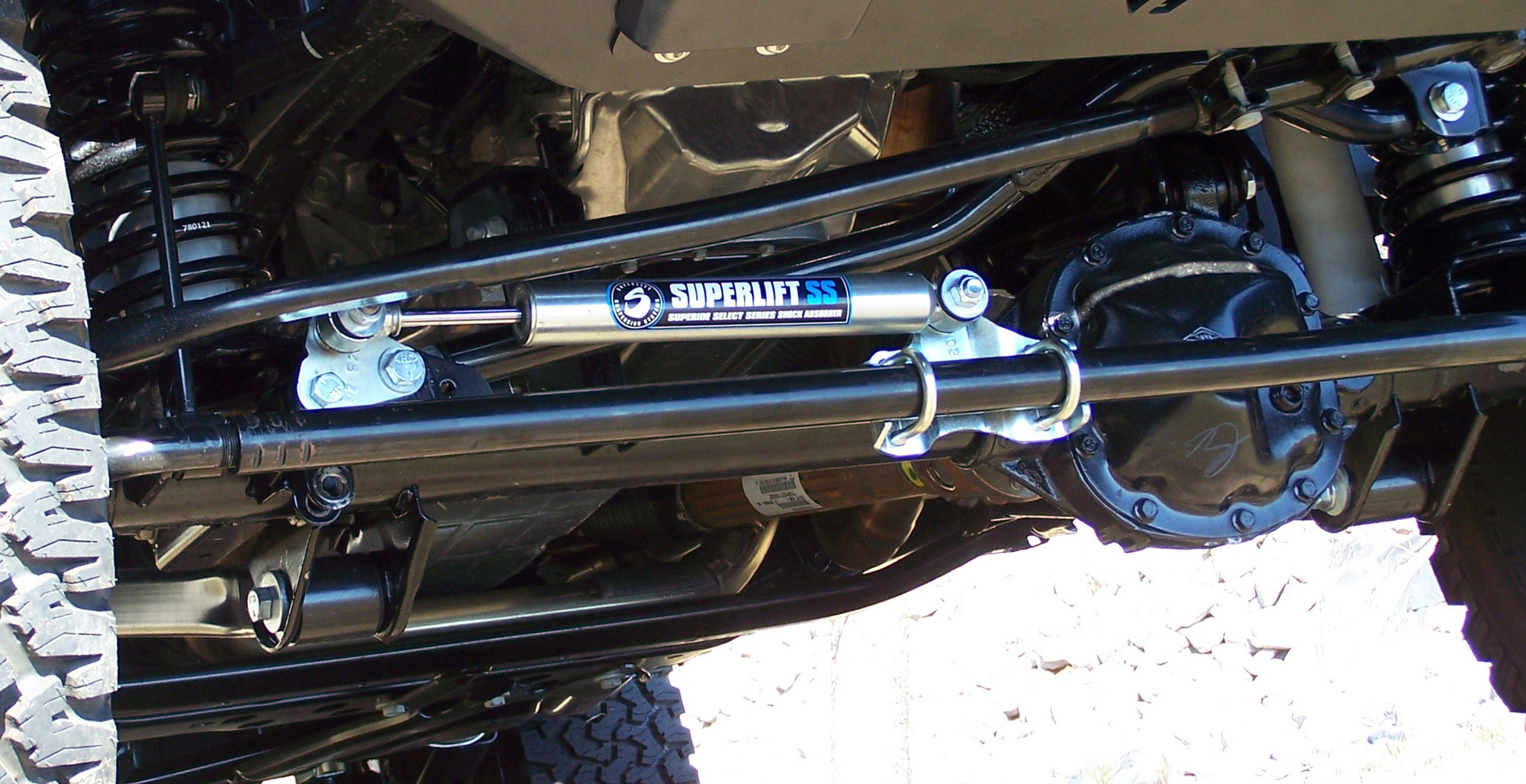
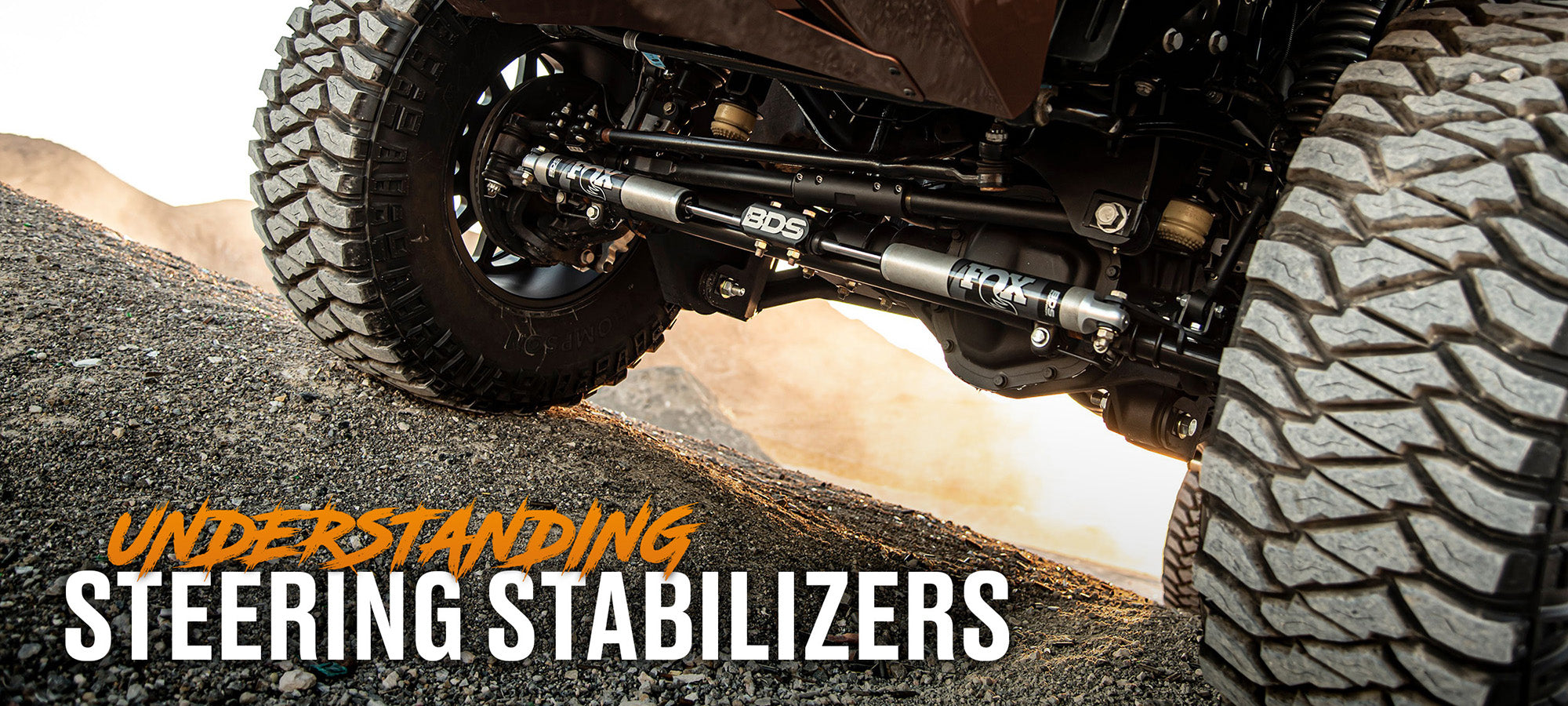
A steering stabilizer is a shock absorber for your steering system. It sits between the Jeep’s steering linkage and the frame or axle. Its main job is to control unwanted movement, such as sudden jerks or “death wobble” (a violent shaking of the steering wheel). This part is often compared to the shocks used for suspension, but its focus is on steering comfort and stability.
How Does A Steering Stabilizer Work?
When you drive over bumps, potholes, or rough terrain, the wheels and steering components can move quickly and unpredictably. The stabilizer uses hydraulic resistance to slow down these movements.
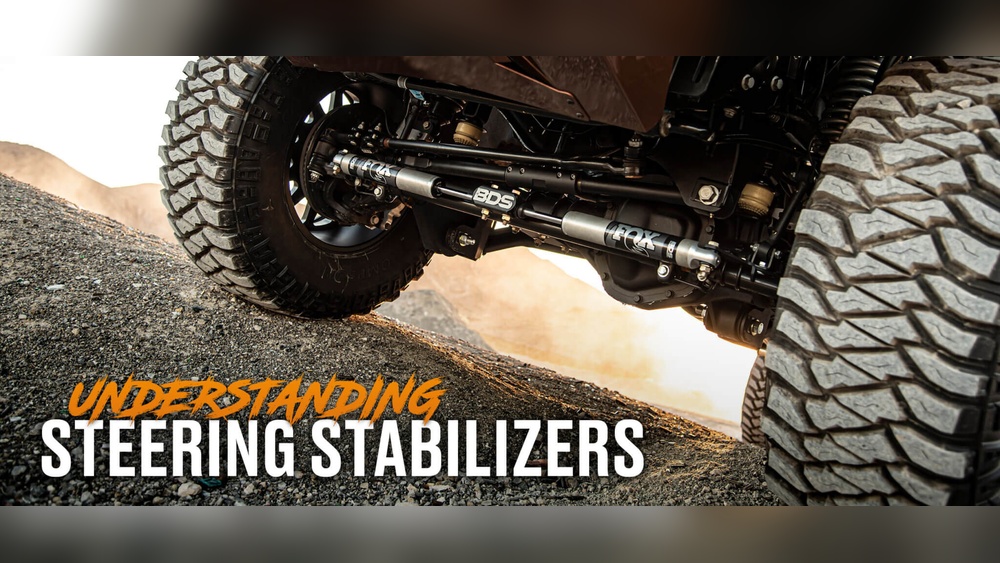
It absorbs the energy from the steering linkage, making the steering wheel feel smoother and more controlled.
Here’s a basic breakdown:
- The stabilizer connects to the tie rod and another fixed point (like the axle).
- As the steering moves, the stabilizer’s piston slides inside its cylinder, filled with oil.
- The oil forces the movement to slow down, reducing vibrations and shocks.
Let’s compare a Jeep with and without a steering stabilizer:
| Feature | With Stabilizer | Without Stabilizer |
|---|---|---|
| Steering feel | Smoother, less vibration | Jerky, more feedback |
| Control in rough terrain | Better | Harder to manage |
| Risk of death wobble | Reduced | Higher |
Why Jeeps Need Steering Stabilizers
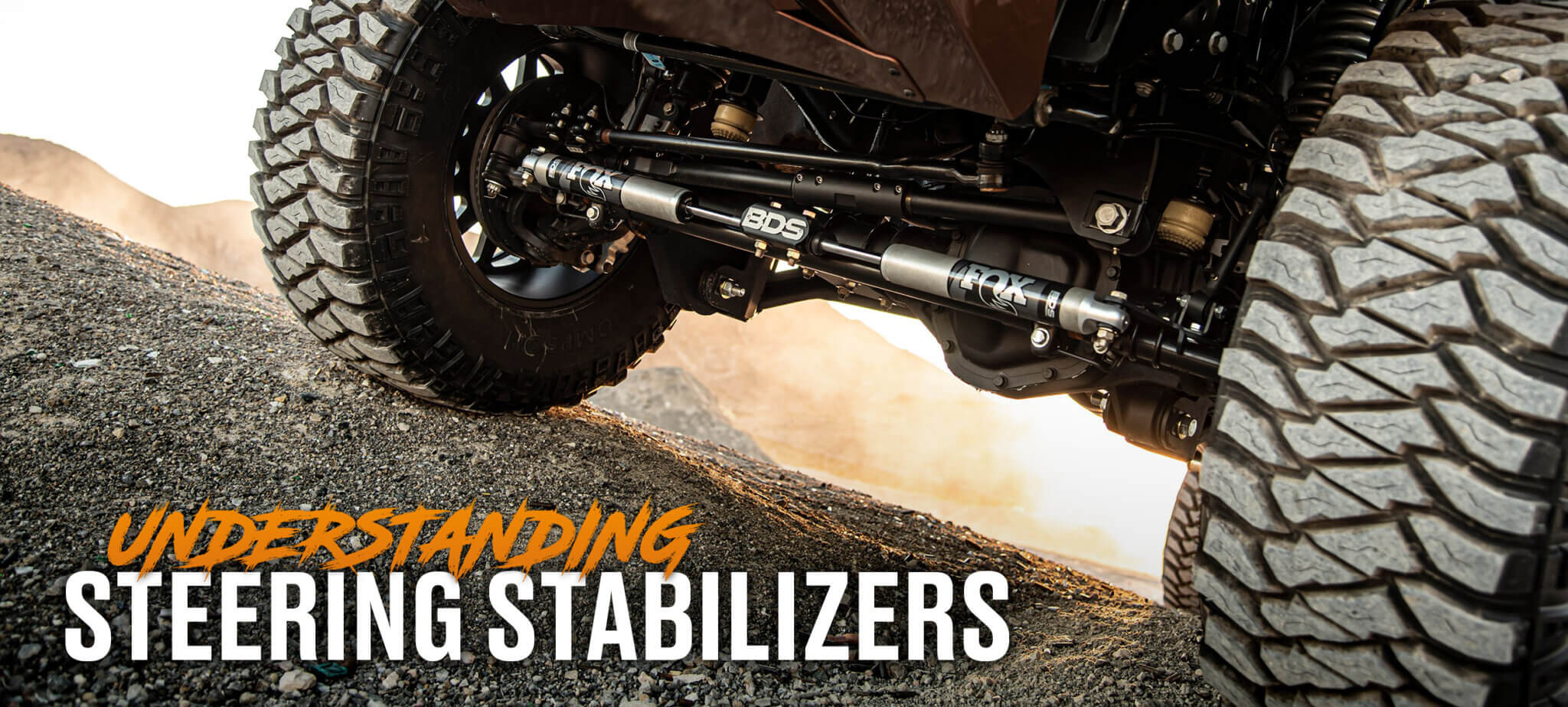
Jeeps are designed for tough conditions. They have solid front axles, larger tires, and lifted suspensions. These features make them strong, but also bring some challenges:
- Big tires: Heavy, oversized tires can cause extra movement and vibrations in the steering.
- Off-road driving: Rocky paths and trails create sudden shocks that affect control.
- Lift kits: Raising the Jeep changes steering geometry, making stabilizers more important.
A stabilizer helps keep steering predictable and comfortable, especially when modifications are made.
Signs You Need To Replace Or Upgrade
Steering stabilizers don’t last forever. Here’s how to know if yours needs attention:
- The steering wheel shakes or vibrates more than usual.
- You notice a clunking sound when turning.
- The Jeep wanders or feels unstable at higher speeds.
- After hitting a bump, the steering wheel doesn’t return smoothly.
If you add larger tires or lift your Jeep, consider a heavy-duty stabilizer. It’s built to handle extra stress.
| Stabilizer Type | Best For | Typical Price |
|---|---|---|
| OEM (factory) | Stock tires/suspension | $30–$80 |
| Heavy-duty | Lifted/larger tires | $60–$150 |
| Dual stabilizer | Extreme off-road | $120–$250 |
Common Myths And Mistakes
Many Jeep drivers misunderstand what a steering stabilizer does. Here are two points most beginners miss:
- It’s not a cure-all. If your Jeep has “death wobble,” a stabilizer may help, but it’s not the solution. Worn parts like ball joints, tie rods, or track bars must be fixed first.
- Over-sizing doesn’t always help. Installing a bigger stabilizer than you need can make steering feel heavy and slow. Choose the right size for your setup.
Another mistake is ignoring regular inspection. Even high-quality stabilizers wear out and lose effectiveness over time.
Choosing The Right Steering Stabilizer
When picking a stabilizer, focus on:
- Compatibility: Make sure it fits your Jeep model and modifications.
- Quality: Look for trusted brands with strong reviews.
- Type: For stock Jeeps, OEM is fine. For lifted or off-road builds, go heavy-duty or dual.
Here’s a quick comparison of popular stabilizer brands:
| Brand | Features | Warranty |
|---|---|---|
| Bilstein | Monotube design, high durability | Limited lifetime |
| FOX | Adjustable, off-road focused | 1 year |
| Rancho | Affordable, easy installation | Lifetime |
Installation Tips
Installing a steering stabilizer is usually a simple task. Most can be changed in under an hour with basic tools. Always follow these tips:
- Check that all mounts and bolts are tight.
- Align the stabilizer so it doesn’t bind when turning.
- Test drive after installation to ensure proper function.
A Jeep with a fresh stabilizer will feel more confident and comfortable.
Real-world Example
A Jeep Wrangler owner added 35-inch tires and noticed steering shake on the highway. After replacing the stock stabilizer with a heavy-duty version, the steering felt smoother, and the shake was gone.
This shows how the stabilizer adapts to changes in tire size and suspension.
Frequently Asked Questions
What Is “death Wobble” In Jeeps?
Death wobble is a violent shaking of the steering wheel, usually at high speeds. It’s caused by loose or worn suspension parts. A stabilizer can reduce symptoms, but the root problem must be fixed.
Can I Drive Without A Steering Stabilizer?
Yes, but you’ll notice more vibration and less control, especially with large tires or off-road driving. It’s safer and more comfortable to use a stabilizer.
How Long Does A Steering Stabilizer Last?
Most last 30,000–50,000 miles, but heavy use or rough terrain can shorten this. Inspect regularly for leaks or wear.
Is A Dual Steering Stabilizer Better?
Dual stabilizers offer more control for extreme off-road setups or very large tires. For normal use, a single heavy-duty stabilizer is enough.
Are Steering Stabilizers Hard To Install?
No, most can be installed with simple tools. Follow the instructions and make sure everything is tight. If unsure, ask a mechanic.
If you want detailed technical info, visit Wikipedia for more background.
A Jeep steering stabilizer is a small part with a big impact on how your vehicle feels and drives. Whether you’re hitting rocky trails or cruising highways, keeping your stabilizer in good shape ensures safer and smoother journeys. Always match your stabilizer to your Jeep’s setup, and check it often for signs of wear. With the right stabilizer, your Jeep will handle whatever the road—or trail—throws at it.