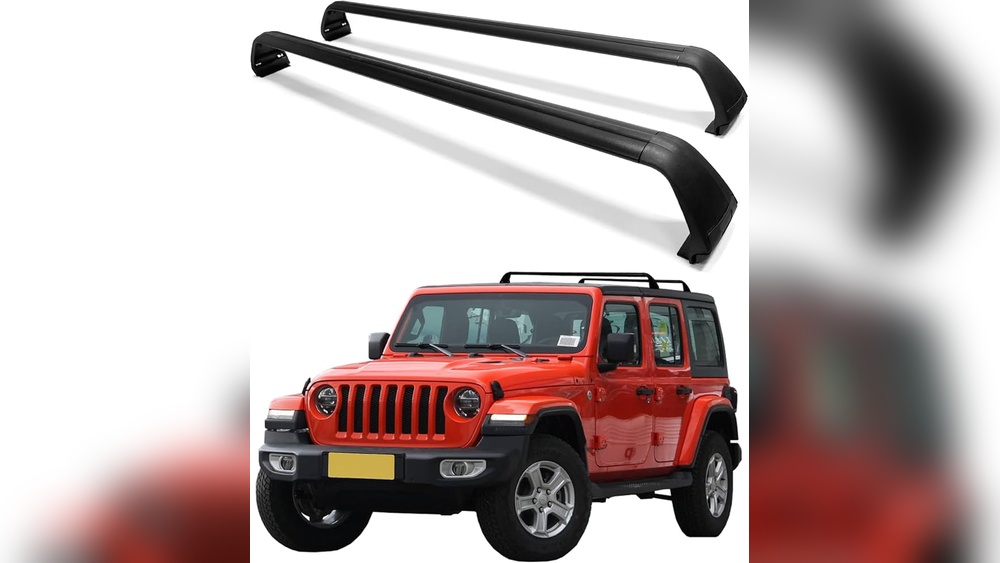
The Jeep Gladiator stands out as a rugged pickup that blends adventure with practical utility. Many drivers ask about the engine options, especially the diesel motor.
Why is the diesel version so popular? It offers torque, fuel efficiency, and a different driving feel compared to gasoline engines.
If you’re curious about what diesel motor is in the Jeep Gladiator, you’ll find the details here, plus how it compares to other engines and whether it’s the right choice for your needs.
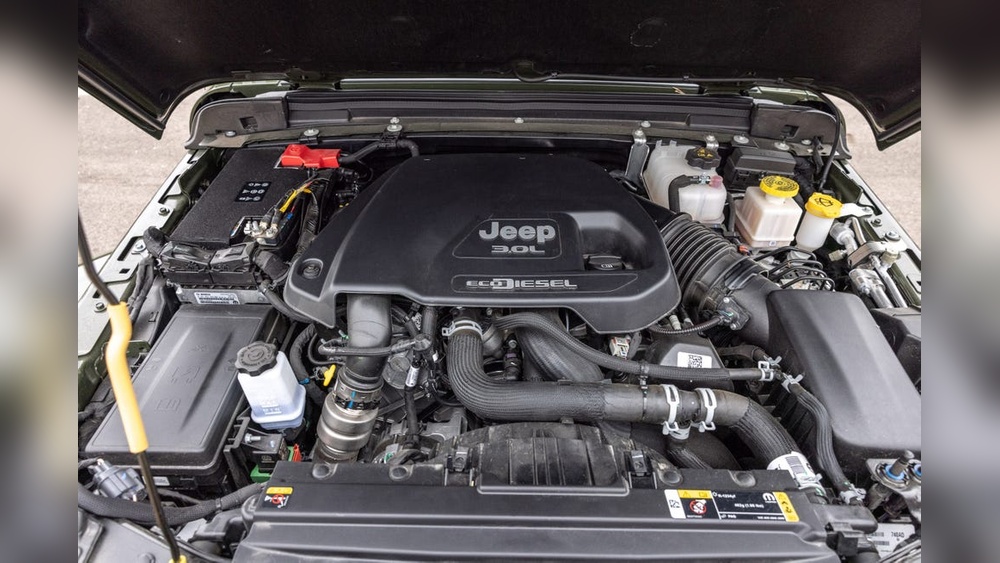
The Diesel Motor In The Jeep Gladiator
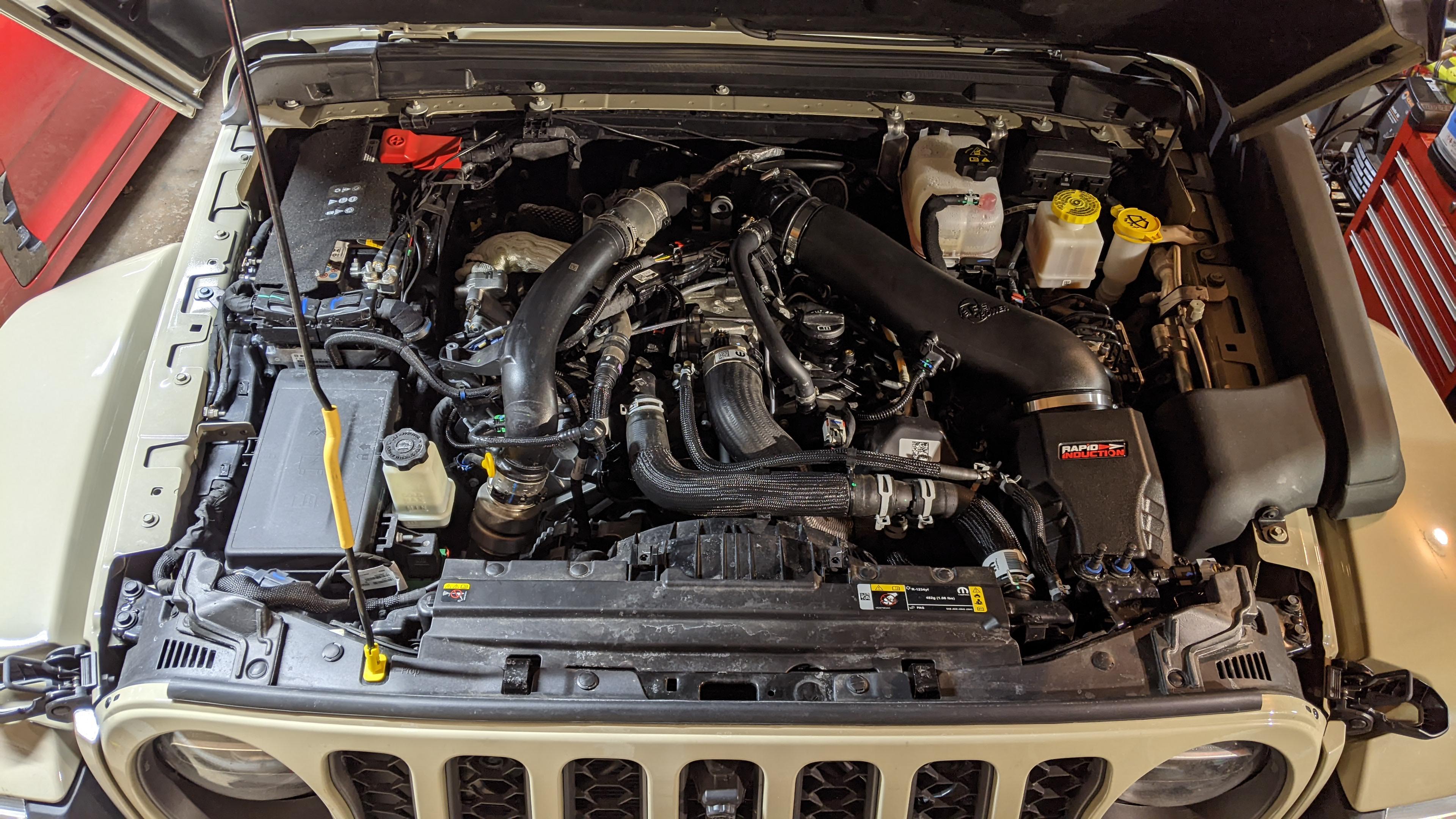
The Jeep Gladiator’s diesel option uses the 3.0-liter EcoDiesel V6. This engine delivers a strong balance of power and efficiency. It’s designed for tough conditions, towing, and off-road adventures.
- Engine Type: Turbocharged V6 diesel
- Displacement: 3.0 liters
- Horsepower: 260 hp
- Torque: 442 lb-ft
These numbers matter because torque is what moves heavy loads and helps in off-road situations. The EcoDiesel offers more torque than the standard gasoline engine, which is a big advantage for many Gladiator owners.
Performance And Efficiency
The EcoDiesel engine is paired with an 8-speed automatic transmission, which helps deliver power smoothly. Here’s how the diesel compares to the gasoline V6:
| Engine | Horsepower | Torque | EPA MPG (City/Highway) |
|---|---|---|---|
| 3.0L EcoDiesel V6 | 260 hp | 442 lb-ft | 22/28 |
| 3.6L Pentastar V6 Gas | 285 hp | 260 lb-ft | 17/22 |
You can see the diesel has lower horsepower but much higher torque and better fuel economy. This makes it ideal for towing and long-distance driving.
Key Features Of The Ecodiesel Engine
The EcoDiesel isn’t just about raw numbers. It includes several features that make it reliable and practical:
- Advanced turbo technology for better power delivery
- Low-end torque, which helps with off-road and towing
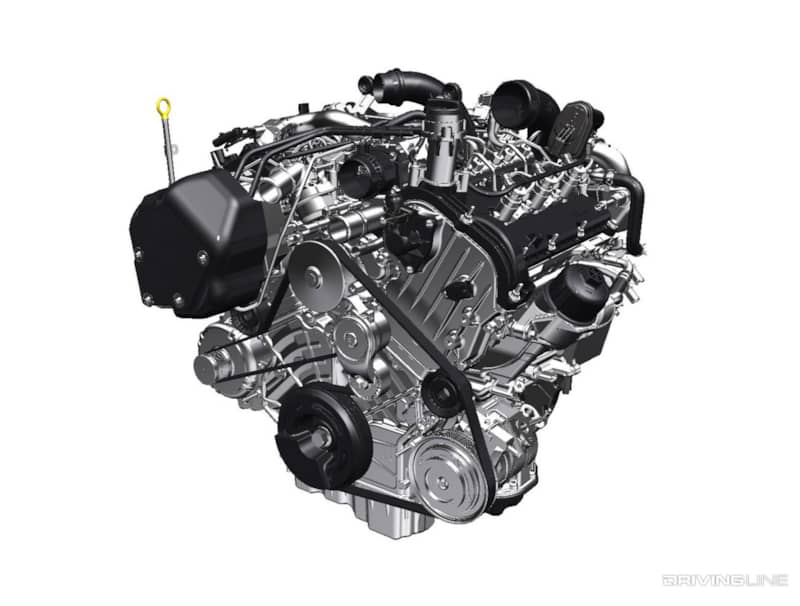
- Aluminum alloy block for lighter weight and better heat management
- Integrated exhaust gas recirculation for cleaner emissions
These features make the engine smoother, cleaner, and more responsive. It’s designed to last, even under hard use.
Towing Capacity
The Gladiator with the diesel motor can tow up to 6,500 pounds. This is slightly less than the gasoline version, which tops out at 7,650 pounds. The difference is due to weight and how the diesel engine manages power. Still, 6,500 pounds is enough for most boats, trailers, or campers.
| Engine | Max Towing (lbs) | Max Payload (lbs) |
|---|---|---|
| EcoDiesel V6 | 6,500 | 1,600 |
| Pentastar V6 Gas | 7,650 | 1,700 |
If you often tow heavy loads, look at your needs carefully. The diesel’s torque is better for moving weight, but the highest towing numbers are with gas.
Why Choose The Diesel Gladiator?
Many buyers choose the diesel for specific reasons:
- Fuel economy: The diesel Gladiator gets about 22 mpg city, 28 mpg highway, which is good for a midsize truck.
- Towing strength: The high torque makes towing easier and smoother.
- Off-road ability: Torque helps with climbing, mud, and tough trails.
- Long-lasting engine: Diesel motors often last longer with proper care.
However, there are trade-offs. Diesel engines cost more (about $4,000 extra), and maintenance can be higher.
Diesel fuel is sometimes harder to find and can cost more, depending on location.
Practical Insights
Many beginners miss these points:
- Diesel engines need special care: Use the right oil, check filters, and follow factory service schedules.
- Cold starts can be slower: Diesel engines often need more time to warm up in cold weather.
- Noise levels: Diesels can be louder at idle, though the EcoDiesel is quieter than older designs.
How The Ecodiesel Compares To Other Truck Diesels
The Gladiator’s EcoDiesel competes with other midsize truck diesels. Let’s compare briefly:
| Truck | Diesel Engine | Torque | EPA MPG (Highway) |
|---|---|---|---|
| Jeep Gladiator | 3.0L EcoDiesel V6 | 442 lb-ft | 28 |
| Chevrolet Colorado | 2.8L Duramax I4 | 369 lb-ft | 30 |
| Ford Ranger | No US diesel option | N/A | N/A |
The EcoDiesel matches or beats its competitors in torque, though the Colorado diesel offers slightly better highway fuel economy. Ford’s Ranger doesn’t have a diesel option in the US.
Common Mistakes When Buying
Some buyers overlook these factors:
- Maintenance costs: Diesel engines need more frequent oil changes and filter replacements.
- Resale value: Diesel models hold value better, but only if well maintained.
- Fuel type confusion: Never use gasoline in a diesel engine. It will cause serious damage.
- Emission equipment: Diesels have extra parts (like DEF tanks) for emissions. These need regular attention.
Ask the dealer about maintenance history and warranty coverage. Double-check your driving needs before paying for the diesel upgrade.
Real-world Example
Jason, a Gladiator owner in Colorado, uses his EcoDiesel for mountain trips and towing a small camper. He reports getting 27 mpg on highways and enjoys the extra torque for climbing steep grades. He notes that winter starts are slower and diesel fuel is sometimes harder to find in remote areas, but the benefits outweigh these challenges.