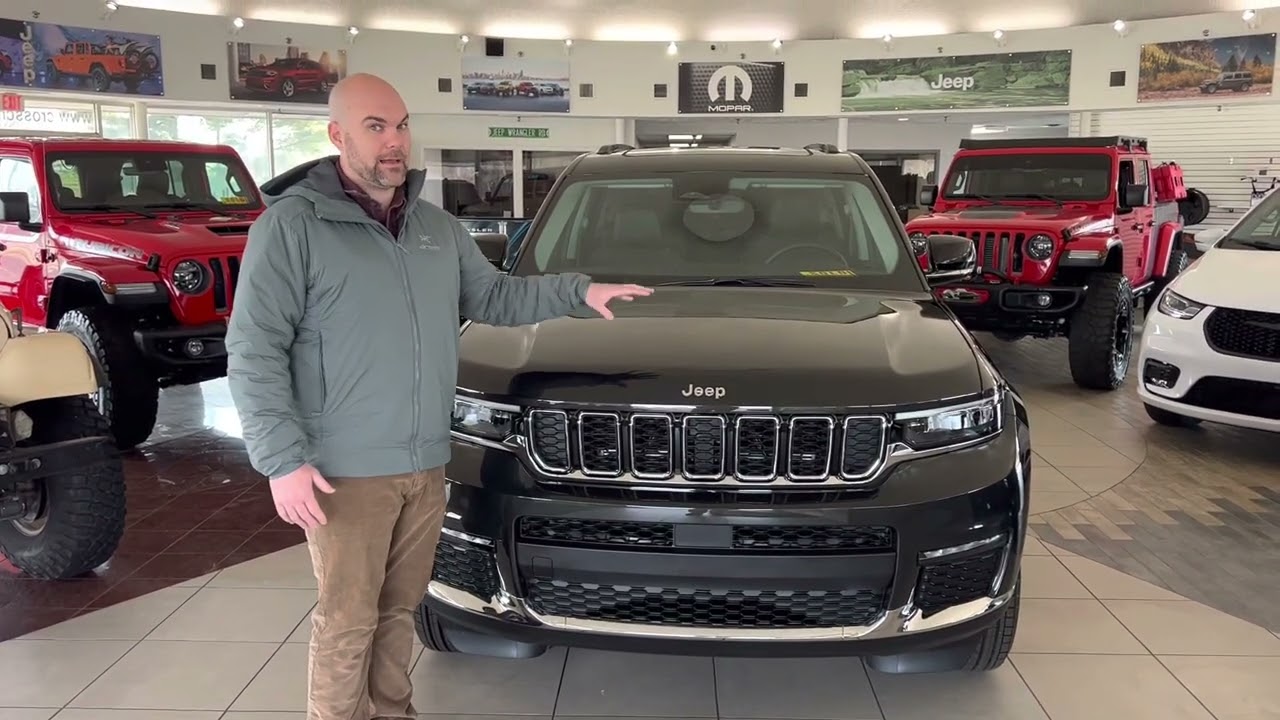
Jeep vehicles are famous for their strong looks and wide range of colors. One color that often catches attention is Rocky Mountain Pearl.
People ask what exactly this color looks like, how it compares to other Jeep colors, and why it’s popular among Jeep owners. If you’re thinking about buying a Jeep or just curious about Jeep’s paint options, understanding the details of Rocky Mountain Pearl can help you make a smarter choice.
What Does Rocky Mountain Pearl Look Like?
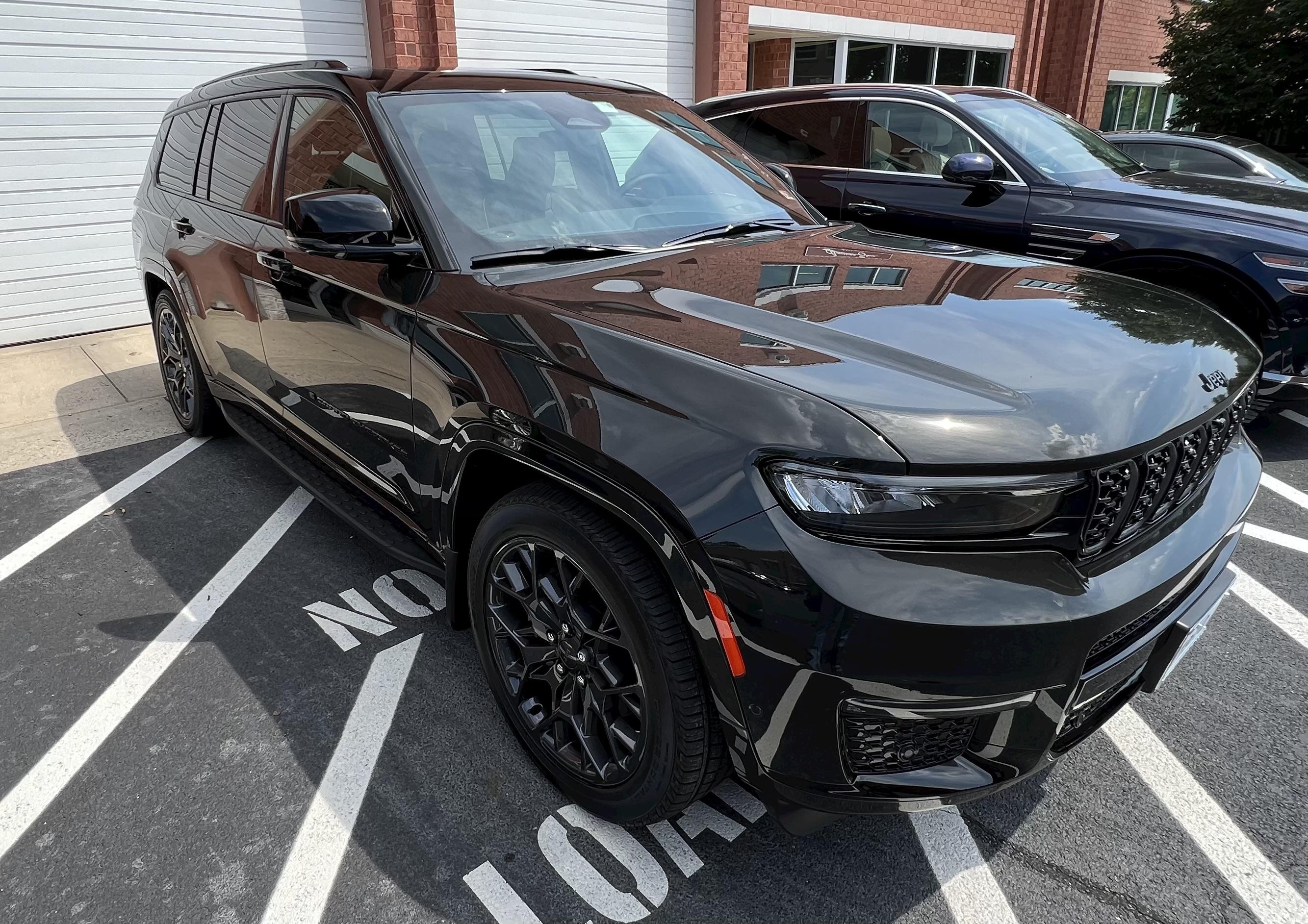
Rocky Mountain Pearl is not a basic color. It’s a rich, multi-layered shade that blends deep brown with metallic sparkle. The color changes slightly depending on sunlight and angle, giving it a unique look. In bright light, it often appears as a warm, chocolate brown with hints of red or copper. When it’s cloudy or dark, it looks darker, almost black with subtle shimmer.

The “Pearl” in the name means the paint has tiny flakes that reflect light. This gives the surface a glossy, almost wet effect. Most people describe Rocky Mountain Pearl as:
- Deep brown with metallic highlights
- Warm and earthy, not cold or gray
- Shimmery under sunlight, but sophisticated in shade
Many Jeep owners prefer this color because it stands out without being too flashy. It’s also practical, hiding dust and small scratches better than lighter colors.
History And Availability
Jeep introduced Rocky Mountain Pearl in the mid-2000s for special edition models. It was first seen on the Jeep Liberty Rocky Mountain Edition in 2005. The color was used for limited runs and special packages, making it rare compared to standard colors like black, white, or silver.
Over the years, Jeep has offered Rocky Mountain Pearl for several models:
- Jeep Liberty
- Jeep Grand Cherokee
- Jeep Wrangler (special editions)
Today, this color is less common, but you can still find it on used Jeeps or through custom paint shops. Some dealers may offer it as a premium option, but it’s not part of the main color lineup for new models.

Rocky Mountain Pearl Vs Other Jeep Colors
Choosing the right color is important. Here’s how Rocky Mountain Pearl stacks up against other popular Jeep colors:
| Color | Shade | Finish | Visibility of Dirt |
|---|---|---|---|
| Rocky Mountain Pearl | Deep brown | Pearl metallic | Medium |
| Black Clearcoat | Pure black | Glossy | High |
| Bright White | White | Glossy | Low |
| Granite Crystal | Gray | Metallic | Medium |
| Firecracker Red | Bright red | Glossy | Medium |
Rocky Mountain Pearl sits between neutral and bold. It’s less common than black or white, but not as bright as red or blue. This makes it appealing for those who want a Jeep that feels unique, but not too loud.
Care And Maintenance
Maintaining a pearl color like Rocky Mountain Pearl takes a bit more effort than standard finishes. The metallic flakes are sensitive to harsh chemicals and rough washing. Here are some tips to keep the paint looking fresh:
- Wash with gentle soap and soft sponges to avoid scratches.
- Use wax or sealant every few months to protect the shimmer.
- Park in shade when possible to prevent fading from sunlight.
- Avoid automatic car washes that use stiff brushes.
Unlike flat colors, a pearl finish can show swirl marks or chips more easily. Regular maintenance helps the color stay vibrant for years.
Why Jeep Owners Choose Rocky Mountain Pearl
There are a few reasons why this color stands out:
- Rarity: Not many Jeeps have this color, so your vehicle feels special.
- Resale value: Limited edition colors often hold value better.
- Style: It looks classic and modern at the same time.
- Practicality: It hides dirt and small blemishes better than lighter shades.
Some owners also say the color matches well with both city and off-road environments. It doesn’t clash with mud or dust, making it a solid choice for adventurous drivers.
Real-world Example: Jeep Liberty Rocky Mountain Edition
One of the most famous uses of Rocky Mountain Pearl was on the Jeep Liberty Rocky Mountain Edition. This special model included:
- Unique badges
- Upgraded wheels
- Rocky Mountain Pearl paint
The edition was limited, and only a few thousand units were produced. Owners of these vehicles often report getting compliments on the color and enjoying the exclusive feel.
Comparing Pearl Vs Non-pearl Paints
Choosing between a pearl finish and a standard color is more than just looks. Here’s a quick comparison:
| Paint Type | Appearance | Maintenance | Scratch Visibility |
|---|---|---|---|
| Pearl (Rocky Mountain Pearl) | Shimmery, deep color | Medium-high | Medium |
| Glossy (Bright White, Black Clearcoat) | Smooth, flat | Low-medium | High |
| Metallic (Granite Crystal) | Sparkly, muted | Medium | Medium |
Pearl finishes like Rocky Mountain Pearl need more care, but they reward you with a richer look.
Non-obvious Insights
Many beginners don’t realize that lighting changes how Rocky Mountain Pearl looks. In direct sunlight, the metallic flakes pop, while in shade the color deepens. Another hidden detail is that pearl paints are harder to match if you need repairs—always check with a trusted body shop before fixing dents or scratches.
Also, pearl colors are often not available in touch-up kits from dealers. If you plan to keep your Jeep looking perfect, you may need to order custom paint or visit a specialist.