Most drivers know antifreeze keeps their engine safe from freezing or overheating, but choosing the right color can be confusing—especially for Jeep Grand Cherokee owners. If you walk into an auto parts store, you’ll see green, orange, yellow, pink, and even blue coolant.
Which one does your Jeep Grand Cherokee actually use? Picking the wrong type can cause expensive engine problems, so it’s important to know the facts.
Why Antifreeze Color Matters
Antifreeze is more than just a bright liquid. Its color signals its chemical formula and compatibility. Some coolants work with specific metals or rubber hoses, while others don’t. Mixing the wrong types can cause sludge, leaks, or even engine failure.

Years ago, most cars used green antifreeze. This was usually made with “inorganic additive technology” (IAT), but technology has changed. Newer vehicles—including most Jeep Grand Cherokees—need modern formulas designed for longer life and better protection.
What Color Antifreeze Does Jeep Grand Cherokee Use?
The answer depends on the year and engine. Jeep has used several antifreeze colors and formulas over time. Here’s a quick guide for the Jeep Grand Cherokee:
| Model Year Range | Antifreeze Color | Type |
|---|---|---|
| 1993–2001 | Green | IAT (Inorganic Additive Technology) |
| 2002–2012 | Orange/Red | HOAT (Hybrid Organic Acid Technology) |
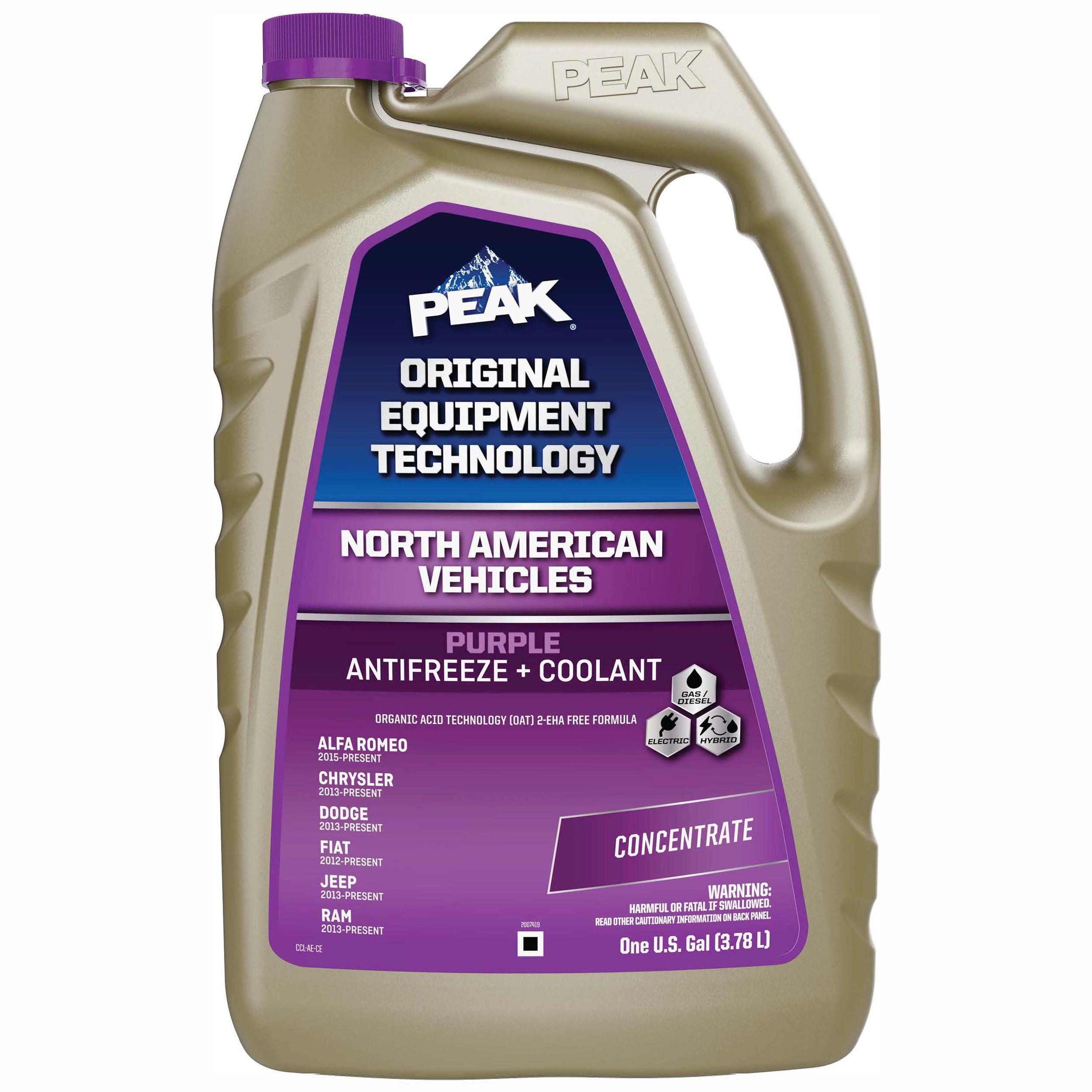
| 2013–Present | Purple | OAT (Organic Acid Technology) |
Most modern Jeep Grand Cherokees (2013 and newer) use purple antifreeze (OAT). If you have an older model, check your owner’s manual or the cap on your coolant reservoir. Never assume by color alone—always confirm the type.
Key Differences Between Antifreeze Types
Each antifreeze type has unique benefits and risks.
| Type | Color | Life Span | Main Use |
|---|---|---|---|
| IAT | Green | 2–3 Years | Older vehicles (pre-2002 Grand Cherokee) |
| HOAT | Orange/Red | 5 Years | 2002–2012 Grand Cherokee |
| OAT | Purple | 10 Years | 2013–Present Grand Cherokee |
OAT coolant (purple) lasts much longer and gives better protection for aluminum engines and radiators. HOAT coolant (orange/red) was a step between older and newer formulas—never mix it with OAT or IAT.
How To Identify The Right Antifreeze
- Check the Owner’s Manual: This is the safest way. Jeep lists the exact fluid required for each model year.
- Look at the Coolant Reservoir Cap: Many Grand Cherokees have the coolant type written on the cap.
- VIN Check: Your dealer can look up your VIN to confirm which coolant you need.
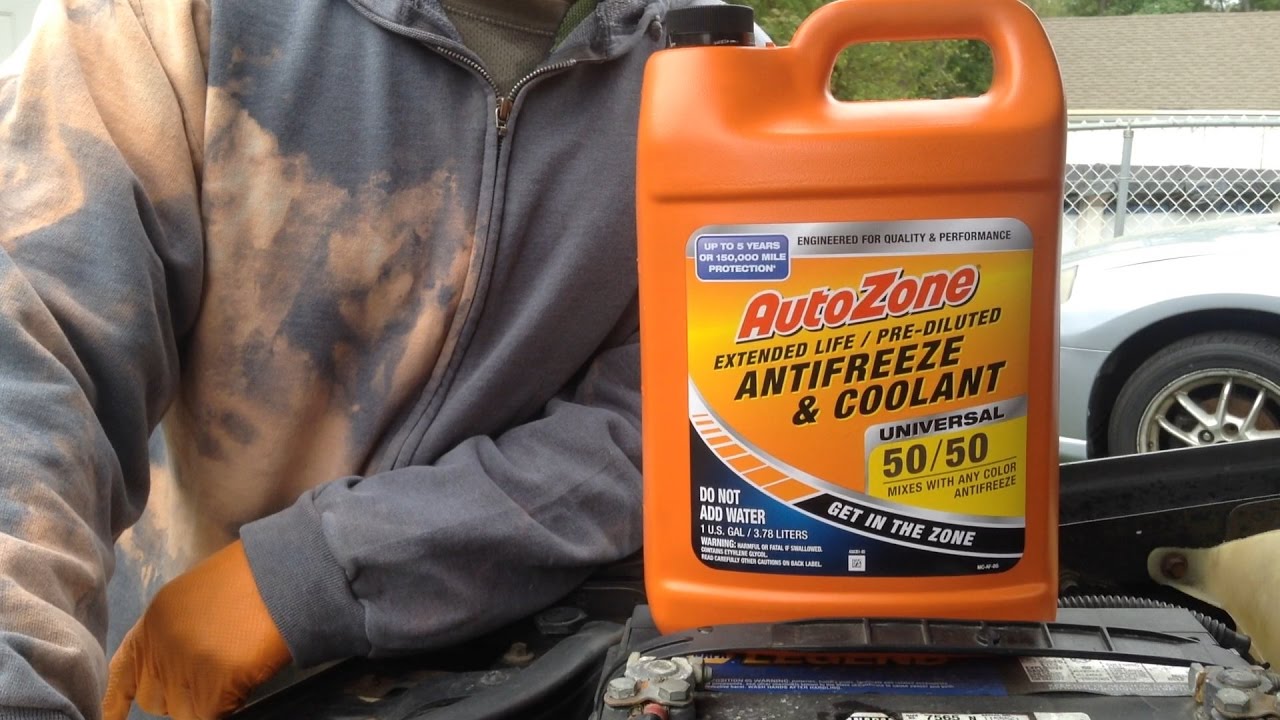
If you’re unsure, use the Mopar brand coolant recommended by Jeep. Some universal coolants claim to “fit all,” but these can be risky for newer engines.
Common Mistakes When Choosing Antifreeze
Many owners make the following mistakes:
- Mixing different types: Mixing, for example, HOAT and OAT coolants, can cause the coolant to gel or form sludge.
- Judging by color only: Some aftermarket brands use different dyes, so two purple coolants might not be the same formula.
- Topping off with water: Modern engines need the correct water-to-antifreeze ratio, usually 50/50.
Here’s a quick comparison of what happens if you mix or use the wrong type:
| Wrong Coolant Scenario | Possible Result |
|---|---|
| Mixing OAT and HOAT | Sludge, clogged radiator, engine overheating |
| Using IAT in OAT system | Corrosion, leaks, reduced coolant life |
| Incorrect water ratio | Poor freeze/boil protection, possible engine damage |
How To Change Or Top Off Your Coolant
If your Jeep Grand Cherokee needs new coolant, follow these steps:
- Let the engine cool completely. Never open the coolant cap when the engine is hot.
- Locate the drain valve under the radiator. Place a pan below to catch old coolant.
- Drain the system completely. Dispose of old coolant at a recycling center.
- Flush with distilled water if you’re changing coolant types.
- Add the recommended antifreeze (usually 50/50 pre-mixed). Use only the type specified for your model.
- Run the engine with the heater on high to remove air pockets.
- Check for leaks and monitor the coolant level over the next few days.
Tip: If you’re switching from HOAT to OAT (or vice versa), always flush the system fully to avoid chemical reactions.

Non-obvious Insights For Jeep Owners
- Not all purple coolants are OAT. Some cheaper brands use purple dye but don’t meet Jeep’s OAT standards. Always look for “OAT” on the label and, ideally, Mopar or a trusted equivalent.
- Coolant sensors can fail if the wrong type is used. Some Jeep models have sensors that detect coolant quality. Using non-recommended fluid may cause false warnings or fail to alert you to real problems.
Many drivers think coolant is “just coolant,” but using the wrong type can shorten water pump life, damage gaskets, or void warranties.
Why Jeep Uses Different Coolant Types
Jeep has updated its coolant formulas for better performance, longer life, and to protect newer aluminum engines. Older engines used more iron and steel, which work with IAT.
As engines became lighter and more efficient, OAT provided better corrosion protection and longer intervals between changes.
This switch helps reduce maintenance costs and keeps engines running cooler under tough driving conditions. That’s especially important for a vehicle like the Grand Cherokee, which may tow heavy loads or handle extreme weather.