The Jeep Wrangler is one of the most recognizable vehicles in the world. Its rugged look, open roof, and off-road skills have captured the hearts of adventure lovers for decades.
But many people wonder: What class vehicle is a Jeep Wrangler? The answer is not as simple as you might think.
This article will break down the vehicle classification, explain why it matters, and show you how the Wrangler fits into the bigger picture of car categories.
Understanding Vehicle Classes In The Us
In the United States, vehicles are divided into classes by size, weight, use, and design. The main agencies involved are the Environmental Protection Agency (EPA) and the Department of Transportation (DOT). These agencies use vehicle classes to regulate things like safety rules, fuel economy standards, and taxes.
There are several main classes:
- Passenger cars (sedans, coupes, hatchbacks)
- Light-duty trucks (SUVs, pickups, vans)
- Heavy-duty vehicles (large trucks and commercial vehicles)
Each class has its own rules for safety, emissions, and fuel economy. The Jeep Wrangler sits in a special place among these groups, so let’s look closer.
What Makes The Jeep Wrangler Unique?
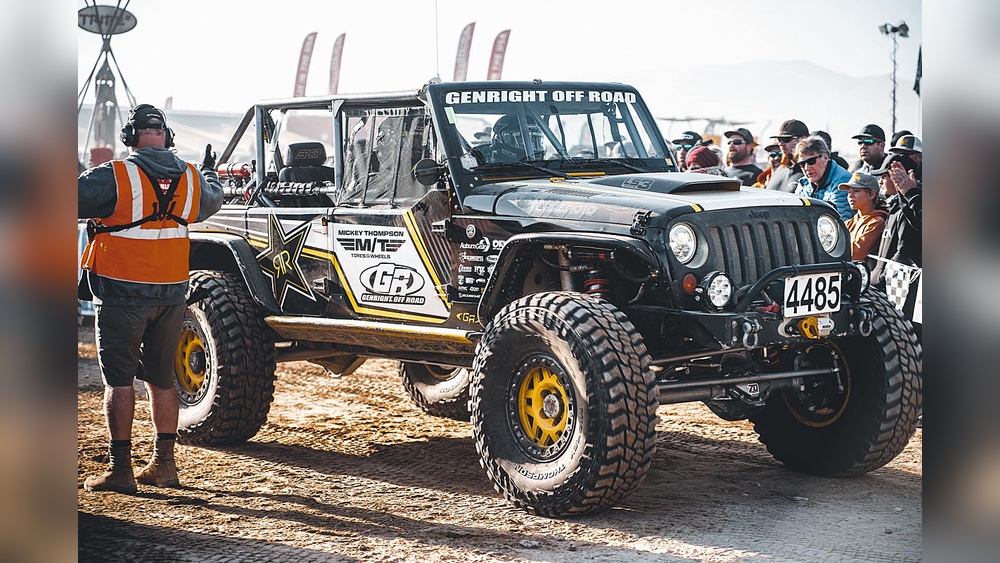
The Jeep Wrangler is not your average car or SUV. It has a body-on-frame construction, high ground clearance, and true four-wheel drive. These features make it a top choice for off-road driving. But these same features affect how it is classified.
There are two main reasons the Wrangler stands out:
- Off-Road Focus: Most SUVs are designed for comfort and city driving. The Wrangler is built for trails, mud, and rocks.
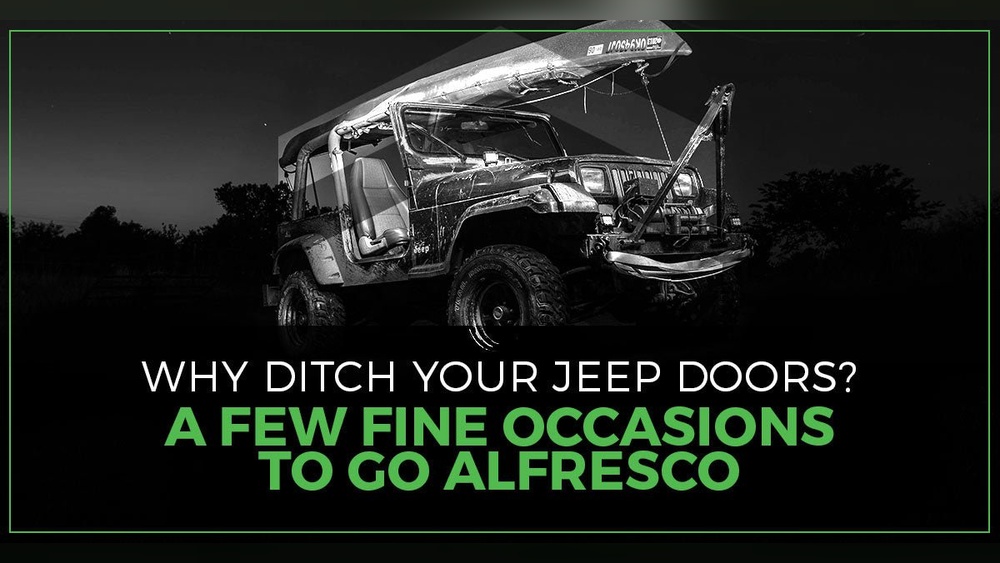
- Convertible Elements: The Wrangler offers removable doors and roofs, which is rare for most vehicles in its class.
Jeep Wrangler In Government Vehicle Classifications
Epa Classification
The EPA splits vehicles based on interior volume and weight. The most recent Wrangler models fall under the light truck category, specifically as a small sport utility vehicle (SUV).
Here’s how the EPA classifies the Wrangler:
| Model | EPA Class | Interior Volume | Drive Type |
|---|---|---|---|
| Wrangler 2-Door | Small SUV 4WD | Under 120 ft³ | 4WD |
| Wrangler 4-Door (Unlimited) | Small SUV 4WD | 120-140 ft³ | 4WD |
Nhtsa And Dot Classification
The National Highway Traffic Safety Administration (NHTSA) and DOT classify the Wrangler as a multipurpose passenger vehicle (MPV). This class includes SUVs, minivans, and vehicles designed to carry people and cargo, often with off-road ability.
Key points of this class:
- Must have features for off-road driving (like 4WD and high ground clearance)
- Can carry passengers or cargo
- Not a traditional passenger car
How The Wrangler Compares To Other Suvs
It’s easy to call the Jeep Wrangler an SUV, but it’s not like most SUVs on the road. Many popular SUVs are built on car platforms for comfort and fuel efficiency. The Wrangler is different.
Here’s a simple comparison:
| Feature | Jeep Wrangler | Typical SUV (e.g., Honda CR-V) |
|---|---|---|
| Chassis | Body-on-frame | Unibody |
| Drive Type | Standard 4WD | Optional AWD/4WD |
| Roof/Doors | Removable | Fixed |
| Off-Road Skills | High | Low to Medium |

Why Vehicle Class Matters
Knowing the Jeep Wrangler’s class is important for several reasons:
- Fuel Economy Rules: Light trucks and SUVs follow different standards than passenger cars. That’s why the Wrangler often gets lower MPG than smaller cars.
- Safety Regulations: The Wrangler’s class affects crash test ratings and required features.
- Insurance and Taxes: Your insurance rate and registration fees can depend on vehicle class.
- Towing and Payload: The Wrangler’s class allows for higher towing and payload limits than a typical car.
Common Misunderstandings About Wrangler’s Vehicle Class
Many people think the Wrangler is just a “Jeep” or an “SUV,” but those terms are broad. Some important points:
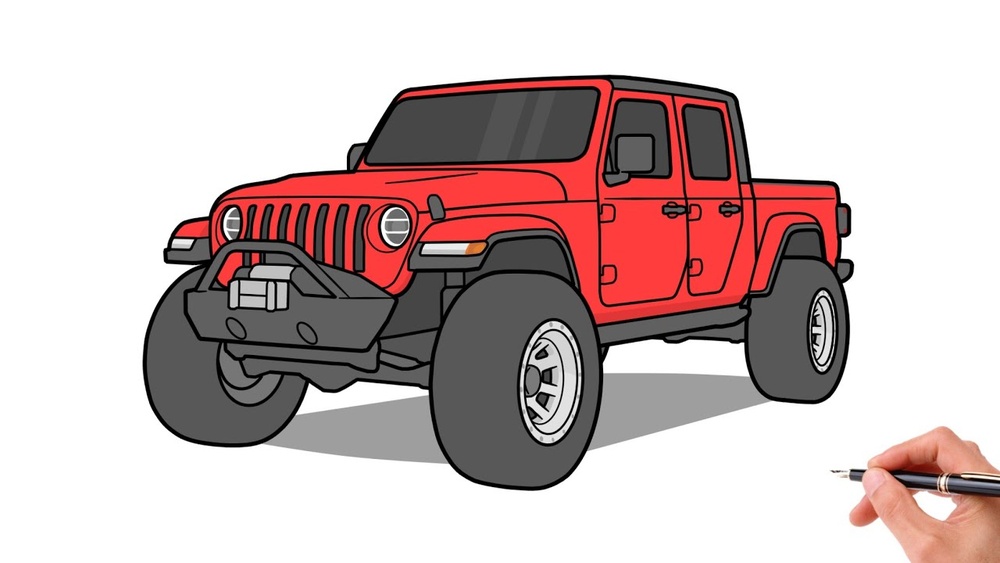
- Not a Pickup Truck: The Wrangler does not have an open bed. The Jeep Gladiator, however, is a pickup.
- Not a Passenger Car: Despite seating for four or five, its design and use are closer to a truck-based SUV.
- Multipurpose Use: Because of its off-road focus, it’s classified for both passenger and utility use.
How The Wrangler’s Class Affects Owners
Practical Impacts
- Parking: The Wrangler’s size is mid-range, but its shape can make tight parking harder.
- Maintenance: Off-road parts often mean higher costs or more frequent repairs.
- Resale Value: Wranglers hold value well, partly due to their unique niche.
Regulatory Impacts
- Emissions Testing: Some states have different rules for SUVs and light trucks.
- Safety Ratings: The Wrangler’s ratings are compared to other SUVs, not cars.
Historical Perspective: Wrangler’s Changing Class
The Wrangler’s class hasn’t always been the same. Earlier versions (like the CJ series) were sometimes classed as trucks. Over the years, as rules changed and the Wrangler grew, it became more firmly placed in the light truck/SUV group.
Here’s a brief look at classification over time:
| Model Year | Common Class | Notes |
|---|---|---|
| 1986–1995 (YJ) | Light Truck | Basic off-road focus |
| 1997–2006 (TJ) | MPV/SUV | Added comfort features |
| 2007–2026 (JK, JL) | Small SUV 4WD | Modern safety/emissions |