When your Jeep starts to overheat, it’s more than just a warning light on your dashboard. It can lead to expensive repairs, engine damage, and even leave you stranded. Understanding the causes of overheating helps you solve issues quickly and avoid bigger problems in the future. Whether you drive a Jeep Wrangler, Grand Cherokee, or another model, overheating is a common headache — but it’s preventable. Let’s break down what causes Jeep engines to overheat, how to spot early signs, and what you can do about it.
Common Causes Of Jeep Overheating
Several key factors can make your Jeep overheat. Each one affects the cooling system or engine performance. Here are the most frequent reasons:
- Coolant Leaks: If your Jeep is losing coolant, the engine can’t stay cool. Leaks often come from the radiator, hoses, water pump, or even the heater core. Even a small leak reduces coolant levels and raises engine temperature.
- Faulty Thermostat: The thermostat controls coolant flow. If it gets stuck closed, coolant can’t circulate, causing the engine to overheat quickly.
- Radiator Problems: A clogged or damaged radiator can’t transfer heat away from the engine. Dirt, rust, or debris inside the radiator reduces cooling efficiency.
- Water Pump Failure: The water pump moves coolant through the engine. If it fails, the coolant stays still, and the engine overheats.
- Blocked Cooling Passages: Old coolant can leave deposits inside the engine or radiator. These blockages slow down heat transfer and cause overheating.
- Broken Cooling Fan: The fan pulls air through the radiator. If it fails (mechanically or electrically), the radiator can’t cool the engine, especially at low speeds.
- Low Oil Level: Oil lubricates and cools engine parts. Low oil means more friction and heat, increasing the risk of overheating.
- Heavy Load or Extreme Conditions: Towing, off-roading, or driving in hot climates can push your Jeep’s cooling system beyond its limits.
Spotting Overheating Early
Catching overheating early can save your engine. Here’s what to look for:
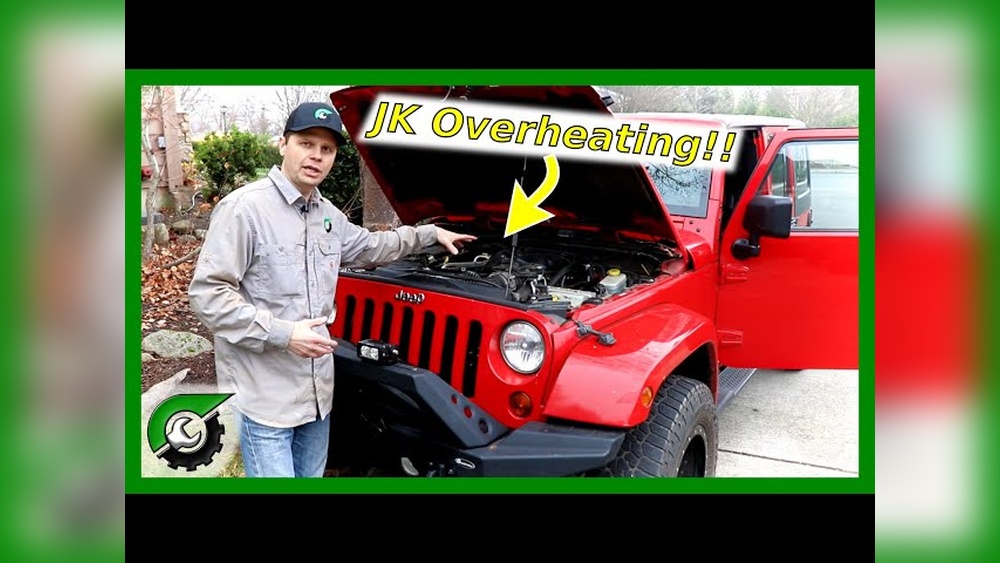
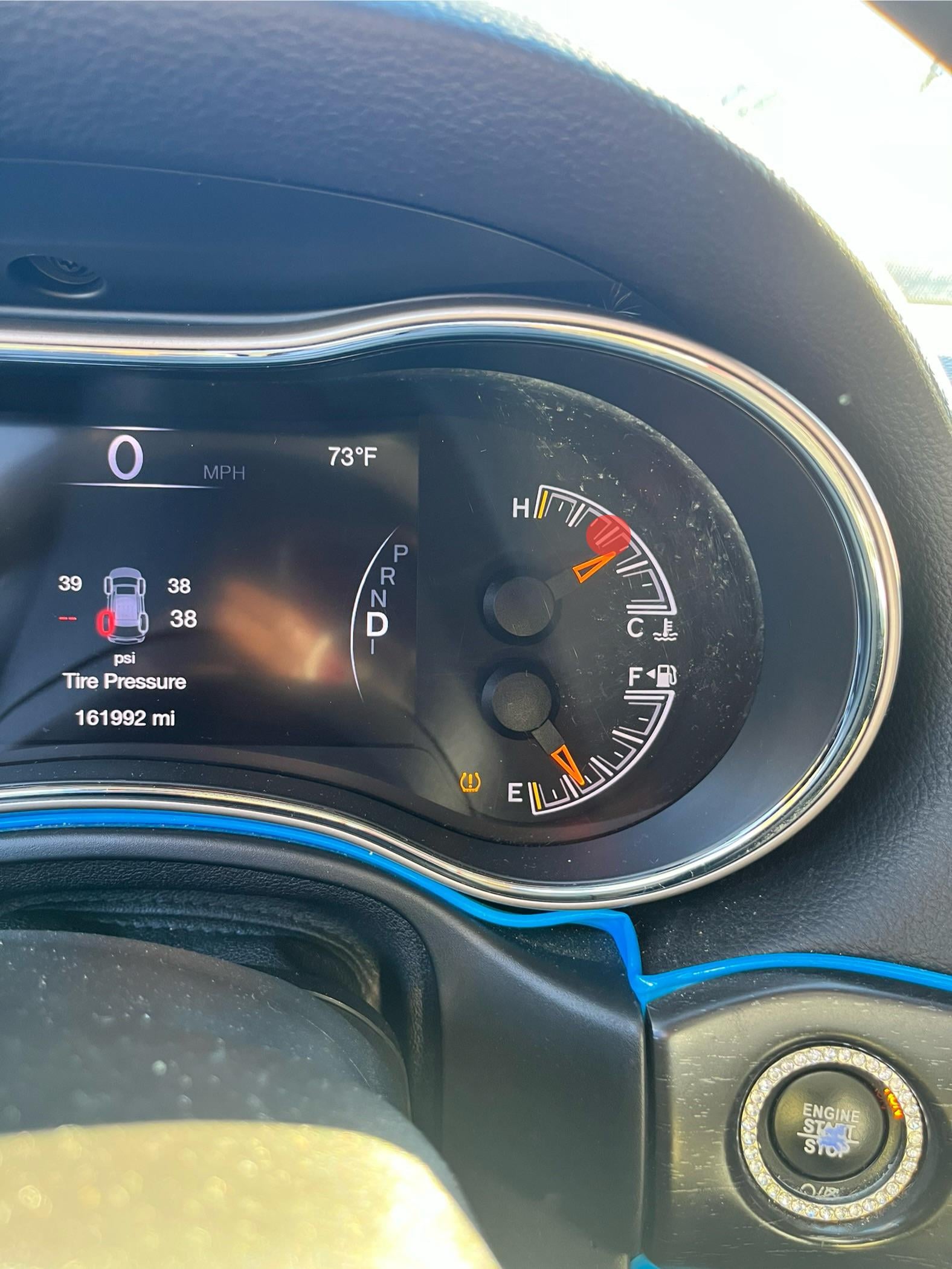
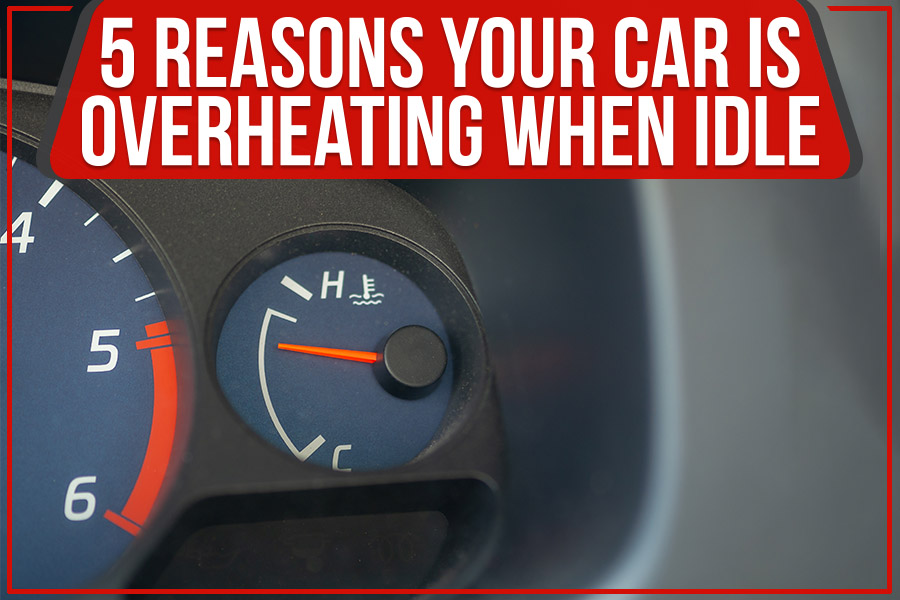
- Temperature Gauge: If the needle moves past normal, stop driving and check.
- Steam or Smoke: White steam from under the hood means the coolant is boiling.
- Sweet Smell: Coolant leaks often smell sweet and can appear as puddles under your Jeep.
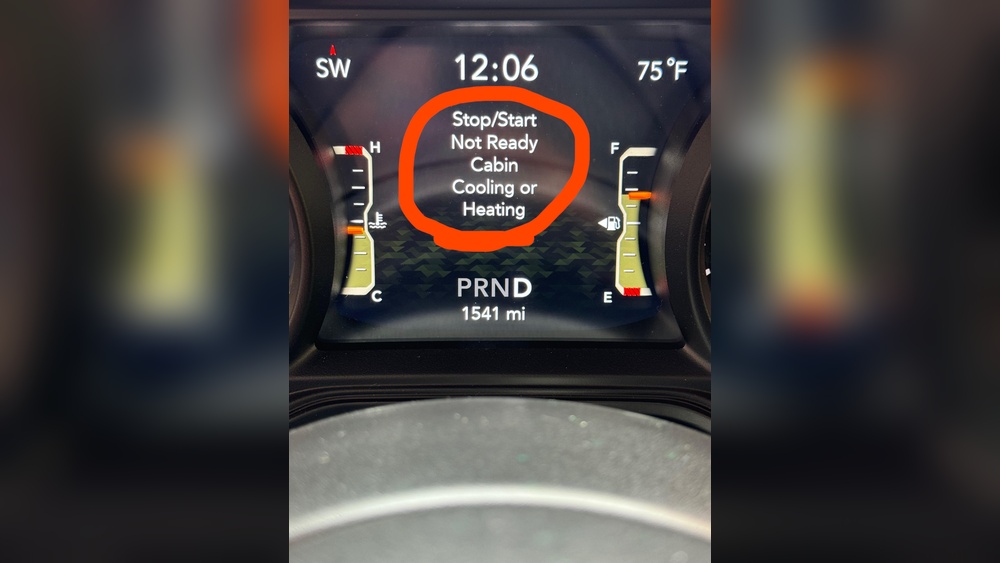
- Warning Lights: The dashboard may show a temperature or check engine light.
Many drivers miss signs like fluctuating temperature or brief spikes. These can be early warnings of bigger issues.
Data: Jeep Models & Overheating Risk
Some Jeep models are more likely to overheat than others, often because of design or age. Here’s a quick look:
| Jeep Model | Overheating Frequency (per 1000 vehicles/year) | Main Causes |
|---|---|---|
| Wrangler (2007-2018) | 42 | Coolant leaks, radiator issues |
| Grand Cherokee (2011-2019) | 37 | Thermostat failure, fan issues |
| Compass (2010-2017) | 28 | Water pump failure |
Older Jeeps or those with high mileage tend to overheat more often.
Comparing Jeep Overheating Vs. Other Suvs
Is overheating more common in Jeeps than other SUVs? This table compares Jeep to two popular rivals:
| Brand | Overheating Reports (per 1000 vehicles/year) | Average Repair Cost |
|---|---|---|
| Jeep | 38 | $850 |
| Toyota | 19 | $700 |
| Ford | 24 | $720 |
Jeep owners report overheating almost twice as often as Toyota owners. Repair costs are also higher.
Non-obvious Insights & Tips
Most people focus only on the radiator or thermostat. But two overlooked causes are:
- Air Pockets in Coolant: If the cooling system isn’t properly bled after maintenance, air pockets block coolant flow and cause overheating.
- Incorrect Coolant Type: Using the wrong coolant can reduce cooling efficiency and damage internal parts. Always check your Jeep’s manual for the recommended coolant.
Also, many drivers forget to check the radiator cap. If it doesn’t seal correctly, pressure drops and coolant boils at a lower temperature.
How To Prevent Jeep Overheating
You can prevent overheating with simple habits:
- Check coolant level every month.
- Inspect hoses and radiator for leaks or damage.
- Replace coolant every 2-3 years.
- Watch the temperature gauge, especially when towing or off-roading.
- Use the correct coolant type.
- Fix any dashboard warning lights right away.
If your Jeep overheats once, don’t ignore it. Seek a mechanic’s help immediately.

Jeep Overheating: Repair Vs. Replacement
Sometimes, fixing an overheating problem is simple. Other times, engine damage is severe and repair costs are high. Here’s a comparison:
| Problem | Repair Cost | Replacement Cost | Recommended Action |
|---|---|---|---|
| Coolant leak | $100-$350 | N/A | Repair |
| Radiator damage | $400-$900 | $700-$1200 | Repair/Replace |
| Engine damage | $1,500-$3,000 | $4,000-$6,000 | Replace |
If you catch issues early, repair is cheaper and faster. Delaying fixes can mean full engine replacement.
Frequently Asked Questions
Why Does My Jeep Overheat Only When Idling?
When idling, the cooling fan and airflow are crucial. If the fan isn’t working or airflow is blocked, the engine heats up faster because the radiator gets less cooling.
Can Old Coolant Cause Overheating?
Yes. Old coolant loses its ability to transfer heat and may cause deposits that block cooling passages. Changing coolant every 2-3 years is best.
Is Overheating More Common In Older Jeeps?
Definitely. Older Jeeps often have worn parts, clogged radiators, and more leaks. Regular maintenance is vital as Jeeps age.
What Should I Do If My Jeep Overheats While Driving?
Pull over safely, turn off the engine, and let it cool. Never open the radiator cap while hot.
If coolant is low, add more once the engine cools. Seek professional help if overheating continues.
How Does Off-roading Affect Overheating Risk?
Off-roading puts extra stress on the engine and cooling system. Mud and debris can block the radiator or fan, increasing overheating risk. Clean the cooling system after off-road trips.
Taking care of your Jeep’s cooling system keeps you safe and protects your engine. If you want to learn more about vehicle cooling systems, check Wikipedia for detailed information. Stay alert to early signs, and you’ll avoid most overheating headaches.